Microsoft & Arkane: The Perilous Reality of Studio Acquisitions

Key Takeaways
- •The Arkane Lyon Allegations: A Developer's Nightmare
- •The Broader Picture: Acquisitions and Their Aftermath
- •Why This Matters to Developers
As game developers, we often dream of creating groundbreaking titles, pushing boundaries, and leaving our mark on the industry. But beneath the creative surface, the business realities can be harsh, especially when large corporations enter the picture. Recent news surrounding Microsoft, Arkane Lyon, and the development of Marvel's Blade has sent ripples through the development community, bringing to light the precarious position many studios find themselves in post-acquisition. This isn't just about one studio; it's a stark reminder of a broader, troubling trend in our industry.
The Arkane Lyon Allegations: A Developer's Nightmare
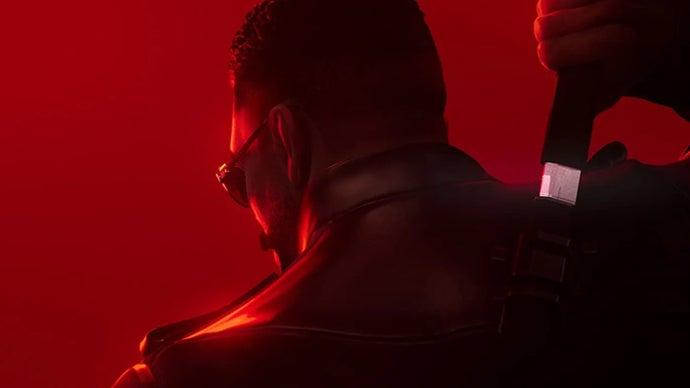
The French union STJV, representing workers at Arkane Lyon, has made a serious accusation against Microsoft. They claim that Microsoft "sabotaged" the development of Marvel's Blade by imposing a 19-month hiring freeze at the studio. This isn't a minor hiccup; a hiring freeze of that duration can cripple a project, leading to delays, increased expenses, and a demoralized team. The union alleges that these self-inflicted delays and costs were then used by Microsoft as justification for the studio's potential closure.
Think about that for a moment. Imagine pouring your heart and soul into a project, only to have external corporate decisions deliberately undermine your progress, and then have that very undermining used as a reason to shut your studio down. It's a developer's worst nightmare, a betrayal of the trust and passion that drives our work.
The claims detail how the hiring freeze forced the remaining staff to shoulder an impossible workload, leading to burnout and a decline in overall project health. This is a classic pattern of under-resourcing a team, setting them up for failure, and then citing that failure as a reason for restructuring or closure.
The Broader Picture: Acquisitions and Their Aftermath
Unfortunately, the situation at Arkane Lyon, while specific in its allegations, isn't an isolated incident. A recent analysis conducted by GamesIndustry.biz, covering over 300 game studios acquired by major companies since 2000, reveals a grim statistic: one in three acquired studios has been shut down completely. Even more concerning, half of these closures occurred within five years of the acquisition.
This data paints a sobering picture of the "acquire and dismantle" strategy that some larger entities seem to employ. While acquisitions are often presented as opportunities for growth, stability, and access to greater resources, the reality for many development teams is far less rosy.
Let's visualize this grim reality:
And for those that are shut down, the timeline is often short:
These numbers should send a chill down the spine of every developer working at an independent studio, or even those within larger publishers considering acquisition. The promise of stability can quickly turn into the threat of redundancy.
Why This Matters to Developers
For us, the creators, this trend has several critical implications:
- Job Security and Talent Drain: Studio closures lead to mass layoffs, forcing talented developers to search for new roles, often relocating or even leaving the industry. This creates immense instability and a loss of institutional knowledge.
- Creative Freedom vs. Corporate Mandate: Acquisitions frequently come with a shift in creative direction. What starts as a passionate, independent vision can be diluted or outright cancelled to fit a larger corporate portfolio or strategy, as allegedly seen with Marvel's Blade.
- The Illusion of Growth: While big companies tout their acquisition sprees as industry growth, the subsequent closures reveal a more complex, often destructive, pattern. It's less about nurturing talent and more about intellectual property consolidation and market control.
- Due Diligence is Key: For studios considering acquisition, this serves as a critical warning. Understanding the acquiring company's track record, their post-acquisition integration strategies, and the autonomy they genuinely offer is paramount. Legal and financial advice should be sought diligently, but also, critically, cultural alignment and long-term vision must be scrutinized.
The Arkane Situation: A Case Study in Corporate Pressure
The specific details emerging from the Arkane Lyon situation are particularly instructive. The STJV union highlights that the hiring freeze at Arkane Lyon was put in place even as other Xbox-owned studios were actively recruiting. This selective application of resource constraints suggests a deliberate strategy rather than a universal economic necessity.
Furthermore, the union points out that Arkane Lyon's financial results were strong, with Deathloop being a critical and commercial success. This contradicts the narrative that studios are closed due to poor performance, instead suggesting that strategic decisions, perhaps related to portfolio realignment or internal politics, might be at play. The fact that Ubisoft is reportedly among the bidders to acquire Arkane Lyon further underscores the studio's value and talent, independent of Microsoft's alleged actions.
Moving Forward: Protecting Our Craft
As developers, what can we take away from this?
1. Advocate for Transparency: We need more transparency in acquisition deals and clearer commitments from acquiring companies regarding studio autonomy, resource allocation, and long-term plans.
2. Support Unionization: The STJV union's actions at Arkane Lyon demonstrate the power of collective bargaining and advocacy. Unions can play a vital role in protecting developer rights and holding corporations accountable.
3. Prioritize Sustainable Growth: Both independent and acquired studios must strive for sustainable growth models that prioritize employee well-being and creative integrity over short-term financial gains or corporate mandates.
4. Network and Share Information: The more developers share experiences and insights about working conditions, post-acquisition realities, and corporate cultures, the better equipped we all become to navigate this complex landscape.
The alleged "sabotage" of Marvel's Blade development at Arkane Lyon by Microsoft, coupled with the chilling statistic that one in three acquired studios eventually close, is a wake-up call for the entire game development community. It's a stark reminder that while the dream of creating games is powerful, the business forces at play can be equally formidable. We must remain vigilant, advocate for our rights, and work towards an industry where creative vision and developer well-being are truly valued, not just acquired and discarded.
Stay strong, stay creative, and let's keep building a better future for game development.
Vikas Singh
At White Cube Studios, we translate technical architecture into shipping systems across our specialized development pillars: