EA's Restructuring: Layoffs, AAA Realities, and BioWare's Future

Key Takeaways
- •The Impact on BioWare and Its Projects
- •The Human Cost and Broader Industry Impact
- •BioWare's Storied Past and Enduring Influence
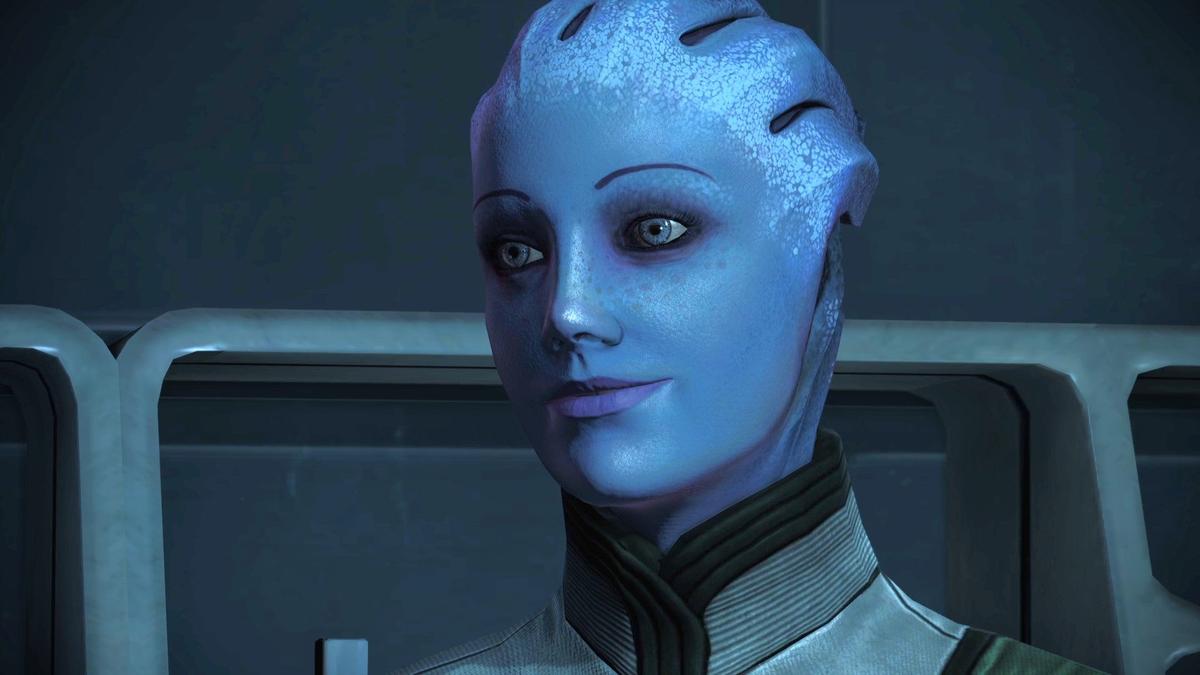
The gaming industry has once again been rocked by significant news, as EA recently announced a major restructuring that includes widespread layoffs across several studios. While the initial reports caused a stir, leading to some speculation, the core truth is that BioWare, the legendary studio behind Mass Effect and Dragon Age, remains active and continues development on its flagship titles. However, the restructuring has undoubtedly impacted their teams, as well as others like Ripple Effect (Battlefield), Maxis (The Sims), and Full Circle (Skate).
As a developer, this kind of news is always sobering, a stark reminder of the often brutal realities of the AAA game development landscape. It forces us to reflect on the human cost of corporate decisions and the delicate balance between creative ambition and commercial viability.
The Impact on BioWare and Its Projects
While BioWare is not shutting down, the studio, like others under the EA umbrella, has certainly felt the effects of the recent layoffs. Bloomberg reported that EA is laying off approximately 400 employees across various studios, with some of those impacting BioWare (Game Developer). This means talented individuals at BioWare have been displaced, even as the studio continues its work on the next Dragon Age game, Dreadwolf, and the highly anticipated next installment in the Mass Effect series.
The news sparked conversations among former BioWare writers about their past work and aspirations for the Mass Effect franchise. One developer described a previous iteration of the game as "the most energizing, in-the-zone collaboration I've ever had," while a BioWare veteran claimed a vision for the game would have offered "a level of autonomy and choice that no other game has been able to match," according to IGN India and PC Gamer.
These statements, while not referring to a canceled project, highlight the profound passion and ambition that developers bring to beloved IPs, and the emotional toll when teams face restructuring or shifts in direction.
The continuation of these projects amidst layoffs underscores the immense pressure on AAA studios to deliver, even as they navigate corporate realignments. The dedicated teams are still striving to push boundaries within cherished universes, but the environment of job insecurity adds an undeniable layer of stress.
The Human Cost and Broader Industry Impact
This wave of layoffs underscores a worrying trend in the industry, where even established developers at major publishers face job insecurity. Beyond BioWare, staff at other EA studios have also been impacted. This isn't just about numbers; it's about hundreds of talented individuals whose careers are now in flux, many of whom poured years of their lives into these games.
The human element of game development—the passion, skill, and dedication of individuals—is often overshadowed by corporate decisions driven by market forces and investor expectations. It's a stark reminder that behind every celebrated title are countless hours of effort from real people.
Here's a simplified view of the immediate impact of this significant event:
BioWare's Storied Past and Enduring Influence
For three decades, BioWare has been a titan in the RPG genre, renowned for its rich storytelling, memorable characters, and impactful player choices. Games like Baldur's Gate, Star Wars: Knights of the Old Republic, Mass Effect, and Dragon Age defined generations of role-playing experiences.
CD Projekt Red's boss even paid tribute to BioWare, crediting them for helping bring The Witcher to life 20 years ago by allowing them to use the Aurora Engine and showcasing it at E3 (PC Gamer). This demonstrates the profound influence BioWare had, not just through its own games but by fostering innovation across the industry.
While the studio continues its work, these periods of restructuring force us to reflect on the evolution of game development, the power dynamics between publishers and creative studios, and what truly constitutes "success" in this volatile industry.
Understanding the "Why": AAA Development Realities
While the official statements from EA are typically corporate and focus on "difficult choices," the broader context offers some clues. GameSpot reported that when Saudi Arabia's Public Investment Fund (PIF) became a significant investor in EA, many in the industry anticipated major changes, including potential layoffs and project re-evaluations. While PIF is an investor and not an acquirer, their substantial stake can certainly influence strategic direction. This investment likely initiated a period of intense scrutiny on project pipelines and studio performance, leading to the "difficult" decisions announced.
The focus seems to be shifting. For instance, Maxis, the studio behind The Sims, is reportedly shifting its focus to "Project Evergreen" (Kotaku). This suggests a consolidation of resources and a prioritization of projects deemed strategically vital or financially secure. In the high-stakes world of AAA, passion and innovation alone are often not enough; commercial viability and alignment with overarching corporate strategy are paramount.
Lessons for Game Developers
The recent events at EA, while disheartening for those affected, offer several crucial takeaways for developers at all stages of their careers:
- The Fragility of Even Established Studios: These layoffs are a stark reminder that no studio, regardless of its legacy or critical acclaim, is entirely safe under corporate ownership. Developers must always be aware of the larger business context in which they operate.
- Publisher Strategy is King: Understanding your publisher's long-term vision and financial goals is crucial. Projects, even highly anticipated ones, can face increased scrutiny or shifts in priority if they no longer align with these evolving strategies.
- IP Longevity vs. Studio Longevity: While studios face challenges, their IPs, like Mass Effect and Dragon Age, will likely live on. Kotaku reports that BioWare's continued development won’t affect the Mass Effect TV show, which is being developed by Amazon Prime. This highlights that IP is often seen as a separate, transferable asset.
- Career Resilience and Adaptability: For developers, this news emphasizes the importance of networking, continuous skill development, and maintaining a portfolio that showcases adaptable talents. The industry is dynamic, and being prepared for change is essential.
- The Value of Indie and Original IP: In contrast to the AAA consolidation, GamesIndustry.biz highlighted that "indies and original IP have seen significant growth in recent years," making up a much higher proportion of the biggest PC and console games compared to previous periods. This suggests that while AAA faces challenges, there's still immense opportunity for smaller, agile teams to thrive and for original ideas to break through.
The recent restructuring at EA is a somber moment for the game development world. It’s a powerful reminder that while we pour our hearts and souls into creating games, the business of making them can be ruthless. We recognize BioWare's incredible contributions over 30 years and acknowledge the ongoing dedication of its teams. Our thoughts are with all the talented individuals affected by these changes across EA. The industry will undoubtedly feel this impact, but it will also adapt, learn, and continue to evolve.
At White Cube Studios, we translate technical architecture into shipping systems across our specialized development pillars: