July 23, 2026
7 min read
Xbox Cloud Gaming & Ads: A Developer's Monetization Challenge
Key Takeaways
- •The New Frontier: Ads Before Play
- •A Developer's Dilemma: Monetization vs. Experience
- •Player Perception and Trust
As game developers, we're constantly navigating the evolving landscape of technology, player expectations, and, of course, monetization. The latest news from Xbox, detailing their experiment with ad-supported cloud gaming, has certainly sparked a lot of conversation in the industry and among players. It's a move that, for many, "feels gross," as GameSpot aptly put it, but for us behind the scenes, it represents a complex challenge and a potential new frontier for revenue.
The New Frontier: Ads Before Play
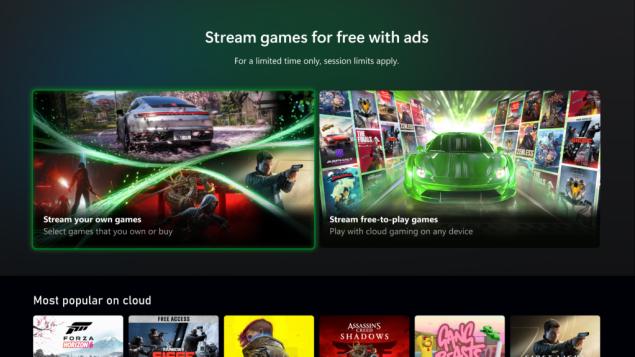
Xbox is currently testing "ad-supported game streaming" with Xbox Insiders. The premise is straightforward: players who aren't subscribed to Game Pass Ultimate can watch ads before they play a game they already own via cloud gaming. In exchange for "up to two minutes' worth of ads," they get one hour of playtime (Kotaku).
Let's break down the core components of this new model:
- Target Audience: Non-Game Pass Ultimate subscribers. This is critical. It's not about forcing ads on everyone, but about creating an alternative access point for cloud gaming.
- Game Ownership: These are games players already own. This is where much of the "gross" sentiment originates. Historically, owning a game meant an ad-free experience, a clear distinction from free-to-play (F2P) models.
- Value Exchange: Ads for an hour of cloud play. This frames it as a convenience trade-off, similar to how many free mobile games operate, but applied to traditionally premium content.
- Optionality: Xbox stresses this is "optional," and that "ads should create value" and meet a "quality bar" (GameSpot). This indicates an awareness of potential backlash.
From a developer's standpoint, this isn't just a platform decision; it’s a potential shift in how players interact with and perceive our games, especially those designed for cloud streaming.
A Developer's Dilemma: Monetization vs. Experience
The fundamental tension here lies in balancing revenue generation with maintaining a positive player experience. Advertising has been part of gaming for decades, from in-game billboards to F2P mobile ads, but pre-roll ads for owned, premium content in a cloud environment feel different.
Player Perception and Trust
The "feels gross" reaction highlights a potential erosion of player trust. When a player has already paid for a game, an additional "cost" (even if it's their time watching an ad) for a specific delivery method (cloud streaming) can feel like a penalty. This can lead to:
- Decreased Satisfaction: Interrupting the immediate gratification of jumping into a game.
- Value Dilution: Players might perceive their owned games as less valuable if they come with strings attached in certain scenarios.
- Platform Loyalty Issues: Could this push players towards other platforms or physical media where such models aren't present?
Monetization Model Integration
For developers, this introduces another layer to consider in our monetization strategies. We already juggle direct sales, subscriptions (like Game Pass), microtransactions, and DLC. Now, we might also contend with platform-level ad revenue sharing for cloud plays.
Consider the spectrum of monetization models:
This new model, `H`, sits in a curious position. It's not fully F2P, as players own the game, but it's not the traditional premium experience either. How will this impact our decisions regarding pricing, Game Pass inclusion, and even the design of cloud-native features?
Technical and Design Considerations for Developers
While Xbox handles the ad delivery, this move isn't without implications for how we design and prepare our games for cloud streaming.
Seamless Integration
If this model expands, we might need to consider how our game's onboarding and initial experience are affected. A jarring ad break immediately before a title screen could be detrimental. Could there be ways to integrate "pre-game" experiences that feel less like an interruption and more like a curated introduction, perhaps with optional branded content?
Cloud Infrastructure & Performance
Cloud gaming already presents unique challenges regarding latency, bandwidth, and server capacity. Adding an ad-serving layer means additional network calls, content delivery, and processing power. While likely minimal, it's another component in the complex chain that delivers our games to players.
Data & Analytics (Beyond the Article)
While the articles don't explicitly mention it, any ad platform comes with data implications. Developers might eventually want to understand how ad views translate to player engagement, retention, or even in-game purchases. This requires robust analytics and clear communication from platform holders about data privacy and usage.
The "Quality Bar" Promise
Xbox's commitment to holding ads to the "same quality bar as our content" is a crucial promise. Poorly produced, irrelevant, or repetitive ads could significantly detract from the player experience, regardless of how good our game is. As developers, we rely on platform holders to uphold such standards, as it directly impacts our game's perceived value.
The Broader Industry Trend: Evolution or Exploitation?
This move by Xbox isn't happening in a vacuum. The gaming industry is constantly seeking new revenue streams, especially as development costs soar and market saturation increases. From battle passes to subscription services, companies are exploring every avenue.
This could be seen as:
- Accessibility Play: Making cloud gaming more accessible to a broader audience who might not want to commit to a full Game Pass Ultimate subscription.
- Revenue Diversification: A way for Xbox to tap into advertising revenue for a segment of its player base, potentially offsetting cloud infrastructure costs.
- Market Testing: An experiment to gauge player tolerance for ads in a new context, potentially paving the way for wider adoption across other platform features or even other platforms.
As developers, we must be vigilant. While new monetization models can provide vital funding, they must be implemented with respect for the player and the integrity of the game experience. The long-term success of such models hinges on finding that delicate balance.
Looking Ahead: What This Means for Developers
The Xbox ad-supported cloud gaming test is a clear signal that the lines between traditional premium gaming and ad-supported models are blurring further. Here's what we should keep in mind:
- Adaptability is Key: We need to be prepared for diverse monetization models across platforms and delivery methods.
- Player-Centric Design: Even with new revenue strategies, the core player experience must remain paramount. Negative sentiment can quickly spread and harm a game's reputation.
- Advocate for Transparency: We should encourage platform holders to be transparent about ad policies, revenue sharing, and the overall impact on players.
- Innovate Responsibly: If ads become a more integrated part of cloud gaming, how can we innovate to make them less intrusive or even additive to the experience? Think about context-aware placements or optional rewarded ads that offer in-game benefits.
This is a dynamic time for game development. The introduction of ads into owned-game cloud streaming is a significant development that warrants careful observation and proactive planning from all of us dedicated to crafting engaging and sustainable game experiences. It's a reminder that while the creative process is central, understanding the business models that support it is equally vital.
What are your thoughts on this new Xbox initiative? How do you think it will impact your development strategies? Let's keep the conversation going.