July 16, 2026
6 min read
Xbox Layoffs & Union Lawsuit: A Developer's Call for Accountability
Key Takeaways
- •The Unfolding Crisis: Xbox Layoffs Continue
- •ZeniMax Online: Leadership Impacted
- •Union Action: A Legal Challenge to Corporate Practices
As game developers, we often find ourselves caught in the intricate dance between creative passion and corporate realities. Recent news from the Xbox ecosystem has once again brought this tension to the forefront, with Microsoft facing legal action from unions over its handling of recent layoffs. This isn't just another headline about job cuts; it's a critical moment that highlights the growing importance of labor rights, transparency, and ethical practices in our industry.
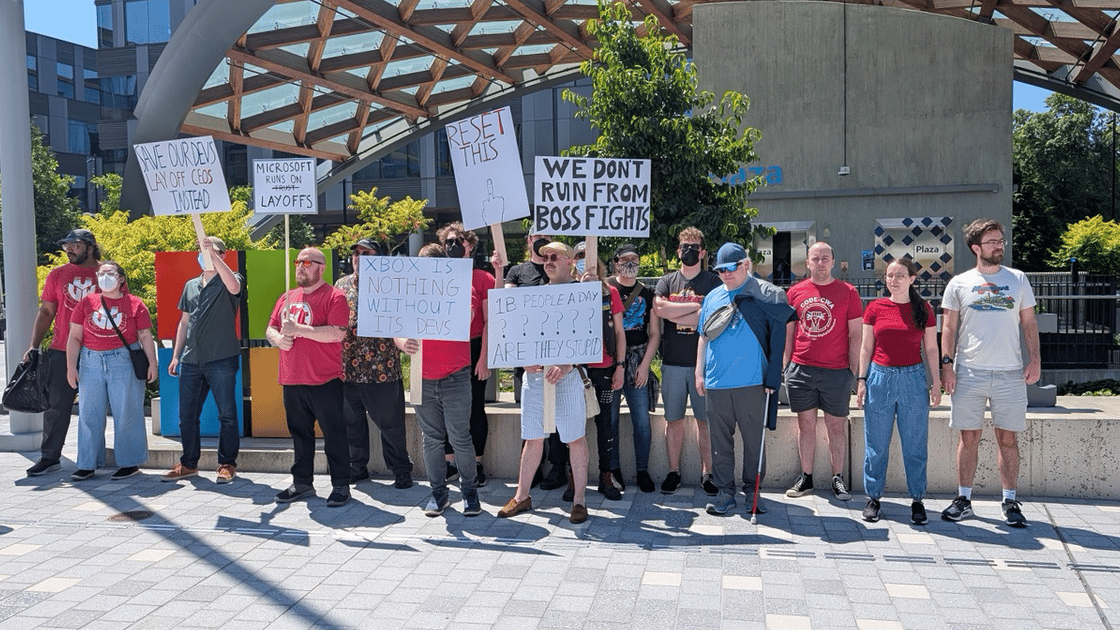
The Communications Workers of America (CWA) Canada has initiated legal proceedings against Microsoft, alleging that the company "unlawfully fired people without giving notice to or discussing it with the union," as reported by Game Developer. This development comes hot on the heels of mass layoffs that have impacted various Xbox studios, including leadership positions at ZeniMax Online Studios. For many of us, these events underscore a stark reality: even in a sector driven by innovation and creativity, the fundamentals of fair labor practices remain paramount.
The Unfolding Crisis: Xbox Layoffs Continue
The past year has been a tumultuous one for game developers, marked by widespread layoffs across the industry. Microsoft's Xbox division has been no exception, with multiple rounds of job cuts affecting thousands of talented individuals. While restructurings and economic shifts are often cited as reasons, the sheer scale and frequency of these events have left many questioning the stability and security of game development careers.
These layoffs aren't just numbers; they represent lives and careers disrupted, projects halted, and institutional knowledge lost. The human cost is immense, and it's a stark reminder that as developers, our livelihoods are often at the mercy of decisions made far above our pay grade.
ZeniMax Online: Leadership Impacted
A particularly concerning detail from the recent reports is the impact on ZeniMax Online Studios. Game Developer highlighted that leadership roles, including the studio head, studio operations director, and studio game director, were among the dozens of senior and lead positions cut by Xbox. This isn't merely trimming the fat; it suggests a significant shake-up at the top echelons of a key studio.
When leadership roles are affected, it sends ripples throughout the entire organization. These are the individuals who often steer the creative vision, manage complex production pipelines, and cultivate studio culture. Their sudden departure can lead to:
- Loss of institutional knowledge: Years of experience and project-specific understanding vanish overnight.
- Disruption of ongoing projects: Leadership changes can cause delays, re-scoping, or even cancellation of games.
- Morale impact: Remaining staff may feel insecure, questioning the future direction and stability of their workplace.
- Talent drain: High-profile departures can signal broader issues, potentially leading other talented individuals to seek opportunities elsewhere.
The fact that these cuts occurred without alleged union consultation, particularly within a region where such consultation is legally mandated, amplifies the concern.
Union Action: A Legal Challenge to Corporate Practices
This is where the CWA Canada's legal action becomes a watershed moment. The union's claim that Microsoft "unlawfully fired people without giving notice to or discussing it with the union" (Game Developer) shines a spotlight on the procedural aspects of layoffs, not just their occurrence. In jurisdictions with strong labor laws, companies are often required to engage with unions before implementing significant workforce reductions. This consultation period allows for negotiations around severance, outplacement services, and potentially alternative solutions to job cuts.
The union's action suggests that Microsoft may have bypassed these crucial steps, leading to what CWA Canada president Carmel Smyth describes as an unlawful act. This isn't just about fairness; it's about adherence to established legal frameworks designed to protect workers.
Let's visualize the contrast between an ideal process and the alleged scenario:
This diagram illustrates the alleged deviation from standard, legally compliant processes in unionized environments. The "no prior union engagement" step is central to the legal challenge.
Why This Matters to Game Developers
Even if you're not part of a unionized studio, this case has significant implications for every game developer:
- Precedent Setting: A successful legal challenge could set a precedent for how large corporations, including those in gaming, conduct layoffs, particularly in regions with robust labor protections.
- Increased Scrutiny: It will likely lead to increased scrutiny of layoff procedures across the industry, potentially pushing more companies towards greater transparency and adherence to legal and ethical standards.
- Empowering Workers: It highlights the power of collective action and advocacy. Unions provide a collective voice that individual employees often lack, ensuring their rights are protected.
- Job Security and Transparency: For developers, this translates to a potential future where job security is better defined, and the process surrounding layoffs is more transparent and fair. No one wants to be caught off guard, and legal obligations around consultation aim to mitigate that shock.
- Ethical Employer Practices: It reinforces the idea that companies have a responsibility not just to their shareholders, but also to their employees. Ethical treatment of staff, even during difficult times, builds trust and a positive industry reputation.
The Shifting Landscape of Game Dev Employment
The game development industry, while exciting, has long been characterized by periods of intense crunch, high turnover, and, more recently, widespread layoffs. The rise of unionization efforts, particularly in North America, is a direct response to these pressures. Developers are increasingly seeking greater stability, fair compensation, and a voice in decisions that directly impact their careers.
This legal action by CWA Canada is a clear sign that the conversation around developer welfare is evolving from internal discussions to external, legally binding challenges. It's a move towards formalizing protections that many other industries have had for decades.
Looking Ahead: The Call for Better Practices
For studio heads and HR departments, this case serves as a crucial reminder to:
1. Understand and Adhere to Local Labor Laws: Especially when operating internationally, the nuances of labor laws in different regions cannot be overlooked.
2. Prioritize Communication and Transparency: Even when difficult decisions are being made, open and honest communication with employees and, where applicable, unions, can mitigate negative impacts and build trust.
3. Invest in Employee Relations: Proactive engagement with employees, understanding their concerns, and fostering a culture of respect can prevent situations from escalating to legal disputes.
For individual developers, it's a call to be aware of your rights, understand the landscape of labor advocacy in your region, and consider the benefits of collective action.
The game industry is maturing, and with that comes the expectation of more mature and responsible corporate practices. This legal challenge against Microsoft is a powerful indicator that developers and their advocates are no longer willing to accept the status quo. It's a step towards an industry where creativity can thrive, supported by fair and ethical employment practices.