July 21, 2026
7 min read
Unity & Unreal Bridge: The Future of Cross-Engine Dev
Key Takeaways
- •The Technical Breakthrough: Bridging Worlds
- •Why This Matters for Game Developers
- •1. Enhanced Asset Pipelines & Tooling Flexibility
As game developers, we’re constantly pushing boundaries, not just in the games we create, but in the tools and technologies we use. For years, the choice between game engines like Unity and Unreal has been a foundational decision, often dictating entire studio pipelines, talent acquisition, and long-term project viability. It's been a world of fierce competition, with each engine striving for dominance.
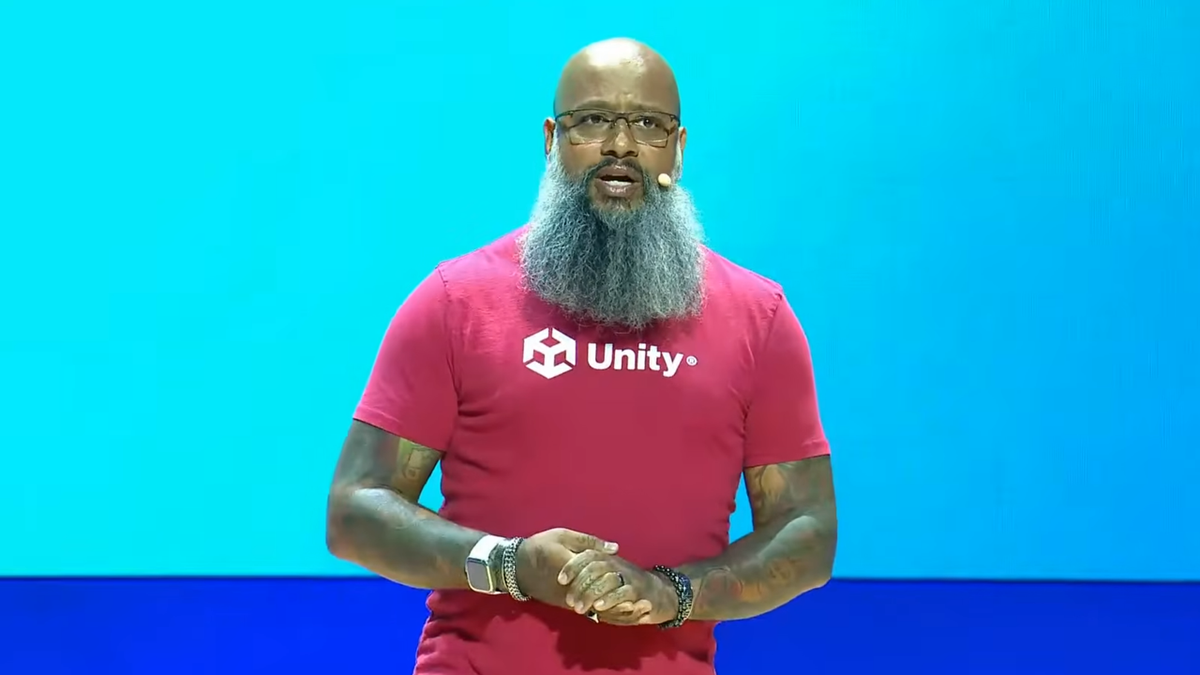
That's why a recent demonstration by Unity, showing "an Unreal character running through a Unity world," as reported by PC Gamer, is nothing short of a paradigm shift. This wasn't just a technical showcase; it was a glimpse into a future where engine boundaries might blur, fostering unprecedented collaboration and flexibility. Even Epic Games CEO Tim Sweeney, a figurehead of the "engine wars," exclaimed, "Connect ALL the engines!" – a resounding endorsement that speaks volumes about the potential impact.
The Technical Breakthrough: Bridging Worlds
What Unity demonstrated was a character model, presumably designed and rigged within Unreal Engine's ecosystem, being rendered and animated seamlessly within a Unity environment. This isn't trivial. It implies a sophisticated level of interoperability, likely involving:
- Asset Import/Export Enhancements: Robust pipelines for transferring complex character rigs, animations, and materials between different engine formats.
- Runtime Compatibility: The ability for one engine to interpret and display assets native to another, potentially through a common interchange format or direct API calls.
- Rendering Equivalence: Ensuring that the visual fidelity and artistic intent of the character are maintained across disparate rendering pipelines.
This goes far beyond simple FBX imports. It suggests a deeper, more dynamic connection that could enable real-time or near real-time asset exchange and execution. It's a leap from "export and re-import" to "stream and integrate."
Why This Matters for Game Developers
The implications for our daily work are profound, touching almost every aspect of game development:
1. Enhanced Asset Pipelines & Tooling Flexibility
Imagine a scenario where your character team prefers Unreal's animation tools or MetaHuman Creator, while your level designers thrive in Unity's scene editor. This interoperability could allow teams to leverage the best tools from both ecosystems without being forced into an all-or-nothing commitment.
- Specialized Workflows: Teams can pick the engine or tool that excels at a specific task (e.g., Unreal for cinematic sequences, Unity for mobile optimization).
- Reduced Friction: Less time spent on manual conversions, re-rigging, or re-texturing assets, accelerating iteration cycles.
- Middleware Integration: New middleware solutions could emerge to facilitate even deeper, more dynamic connections between engines.
2. Broader Talent Pool Utilization
The "Unity developer" vs. "Unreal developer" distinction is deeply ingrained in our industry. Cross-engine compatibility could mean:
- Expanded Hiring Options: Studios could hire specialists based on their skill, not just their preferred engine.
- Cross-Training Opportunities: Developers could more easily transition between projects using different engines, enhancing their versatility.
- Reduced Learning Curve: New hires might find it easier to adapt if core assets and workflows are transferable.
3. Enabling Truly Hybrid Projects
For complex, multi-platform games, or projects with diverse feature sets, a hybrid approach could be incredibly powerful.
- Modular Development: Different game modules (e.g., a high-fidelity story segment, a physics-heavy sandbox, a mobile companion app) could be developed in the engine best suited for that specific experience, then integrated.
- Prototyping & Experimentation: Quickly prototype ideas in one engine, then seamlessly bring successful elements into a different primary engine for full production.
Let's visualize the shift in workflow:
Figure 1: Traditional vs. Interoperable Game Development Workflow
This graph illustrates how the interoperable workflow moves from distinct, siloed development paths to a more integrated, shared asset pool, leading to a unified project regardless of the primary engine.
Challenges and Considerations Ahead
While exciting, this future isn't without its hurdles.
1. Technical Complexity
Interoperability at this level is a massive undertaking.
- Data Serialization: How will complex data structures (e.g., Unity's Prefabs vs. Unreal's Blueprints) be reliably translated?
- Rendering Discrepancies: Even with shared assets, differences in lighting, post-processing, and material systems can lead to visual inconsistencies.
- Performance Overhead: Real-time translation or streaming of assets could introduce performance bottlenecks.
2. Licensing and Legal Frameworks
This is where things get tricky. How will intellectual property, licensing fees, and usage terms be managed when assets and even runtime components cross engine boundaries? Clear agreements between engine providers will be crucial.
3. Industry Standards and Adoption
For true interoperability to flourish, the industry needs to embrace common standards. Will Unity and Epic collaborate on these standards, or will they develop proprietary bridging technologies? Tim Sweeney's "Connect ALL the engines!" sentiment hints at a collaborative spirit, which is promising.
The "Connect ALL the Engines!" Vision
Tim Sweeney's enthusiasm is a powerful indicator. For years, he has championed open ecosystems and criticized proprietary lock-in. This move by Unity, met with such an open embrace from Epic, suggests a potential shift from a zero-sum game to one where rising tides lift all boats. If engines can communicate, it benefits developers by giving them more freedom and tools, ultimately leading to more diverse and innovative games.
Impact on the Industry Landscape
This development could reshape the competitive landscape. Instead of engines competing solely on features, they might also compete on their ability to integrate with other tools and ecosystems.
- Focus on Core Strengths: Engines might lean further into their unique strengths, knowing that developers can complement them with other tools.
- Rise of "Engine Agnostic" Skills: Demand for developers with deep understanding of general game development principles, rather than just engine-specific syntax, could increase.
- New Middleware Opportunities: Expect a surge in tools designed to facilitate, optimize, and manage cross-engine development workflows.
Looking Ahead
For us developers, this news isn't just a curiosity; it's a call to action. We should:
- Stay Informed: Keep an eye on official announcements from Unity and Epic regarding their interoperability initiatives.
- Experiment: As these tools become available, don't be afraid to experiment with hybrid workflows in your personal projects.
- Advocate for Open Standards: Support initiatives that promote open data formats and communication protocols between development tools.
The idea of blending the strengths of Unity and Unreal was once a developer's pipe dream. Now, it's a tangible demonstration, signaling a future where creativity is less constrained by technological silos. This is an incredibly exciting time to be a game developer, as we stand on the cusp of a more connected, flexible, and innovative era. The bridge is being built; let's see where it takes us.
Image Source: PC Gamer
A glimpse of the future: an Unreal character running within a Unity environment, signaling unprecedented engine interoperability.