July 24, 2026
6 min read
Navigating the Storm: Union Disputes & Studio Closures in Gaming
Key Takeaways
- •Bethesda's Union Faces Off Against Xbox Over Layoffs
- •Vermila Studios: On the Brink of Closure
- •The Escalating Crisis: A Developer's View
Hey fellow developers, Vikas here. It’s been another turbulent week in our industry, and it feels like the ground beneath our feet is constantly shifting. We’ve seen a relentless wave of layoffs and studio shutdowns over the past year, but recent news brings a more urgent, and frankly, disturbing trend into focus: the escalation of labor disputes into legal battles and the very real, immediate threat of studios vanishing.
This isn't just about economic downturns anymore; it's about the fundamental rights of developers and the sustainability of creative enterprises. Let's dive into two critical stories that highlight these pressing issues: the union's legal action against Bethesda/Xbox and the precarious situation of Vermila Studios.
Bethesda's Union Faces Off Against Xbox Over Layoffs
The ongoing saga of layoffs at Microsoft-owned studios continues, but the situation at Bethesda Montreal has taken a significant turn. OneBGS, the union representing workers at Bethesda Game Studios, has announced they are filing a legal complaint against Bethesda "for continuing to violate labour laws in Canada," as reported by GamesIndustry.biz.
This isn't merely a grievance; it's a formal accusation of legal wrongdoing. The union alleges that Microsoft offered the "bare legal minimum in terms of severance" and, even more concerning, "immediately cutting off access to group benefits health insurance" for laid-off Bethesda Montreal employees, according to Game Developer.
As developers, we pour our hearts and souls into our projects. We often work long hours, driven by passion and a sense of shared purpose. To then be dismissed with what's described as "bare legal minimum" and have essential benefits like health insurance immediately revoked is a profound betrayal of trust. It underscores a critical vulnerability for employees, especially in a country like Canada where healthcare is publicly funded but supplemental benefits are often crucial. This move can leave former employees in a precarious position, particularly if they have ongoing medical needs or dependents.
This situation highlights a growing tension: as corporate consolidation in gaming accelerates, and economic pressures lead to mass layoffs, the need for robust worker protections becomes glaringly apparent. Unions like OneBGS are stepping up to challenge what they see as unfair and potentially illegal practices, setting a precedent that could impact countless developers across the industry. It's a stark reminder that our passion, while powerful, doesn't always protect us from the harsh realities of corporate decisions.
Vermila Studios: On the Brink of Closure
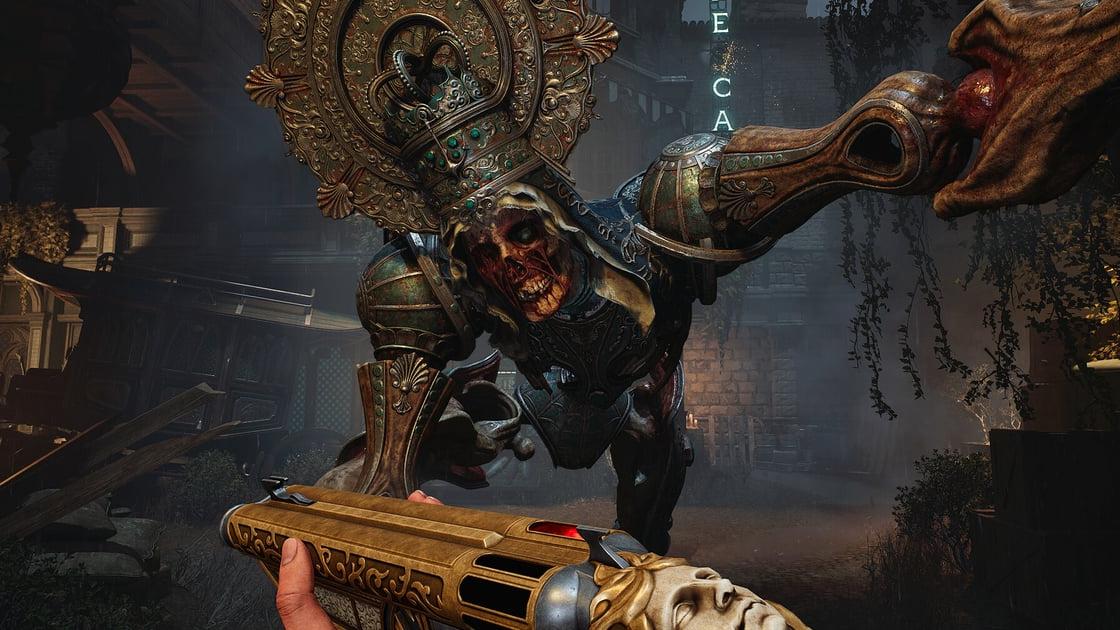
In another concerning development, Vermila Studios, known for their game Crisol: Theater of Idols, has laid off its staff, with a studio closure being a "feasible possibility" in the coming months. CEO David Carrasco expressed a grim determination, stating, "We're going to try to pull through for the time being without shutting down," as reported by Game Developer.
This news is a gut punch to anyone who understands the immense effort, creativity, and personal sacrifice that goes into building a studio and developing a game. Vermila's situation isn't unique; we've seen many independent and mid-sized studios struggle to find solid footing in an increasingly competitive and unpredictable market.
What does this mean for the industry?
- Talent Drain: When studios close, talented developers are displaced, leading to uncertainty and potential brain drain from specific regions or even the industry itself if they become disillusioned.
- Loss of Creative Voices: Smaller studios often take bigger risks and bring unique artistic visions to life. Their demise means fewer diverse experiences for players.
- Precarity of Indie Dev: It underscores how challenging it is for independent studios to survive, even after releasing a game. Funding, marketing, and post-launch support are constant battles.
Carrasco's statement is a testament to the resilience often found in the indie scene, but it also paints a stark picture of the razor's edge many studios operate on. It's a desperate fight to keep a dream alive.
The Escalating Crisis: A Developer's View
These two incidents, though different in nature, point to a larger, unsettling trend in the game development landscape. The industry is under immense pressure from various angles:
- Economic Headwinds: Inflation, rising development costs, and a more cautious consumer market.
- Market Saturation: More games are being released than ever before, making discoverability a huge challenge.
- Consolidation: Large publishers acquiring smaller studios, often leading to restructuring and layoffs.
This confluence of factors creates a volatile environment where both established giants face legal scrutiny over their treatment of employees, and smaller, passionate teams struggle for their very existence.
Here's a conceptual flow illustrating the current industry dynamic:
As developers, we are on the front lines of this. We feel the impact directly, whether it's through job insecurity, the closure of a beloved studio, or the erosion of trust in major employers. The rise of union activity and legal challenges is a natural, albeit painful, response to these pressures. It signifies a growing awareness among developers that their individual passion must be backed by collective strength and legal frameworks to ensure fair treatment and a sustainable career path.
The Path Forward: Advocating for Developer Rights
So, what can we, as game developers, take away from this?
- Know Your Rights: Especially if you're in a region with growing unionization efforts. Understanding labor laws is crucial.
- Support Collective Action: Unions like OneBGS are fighting for better conditions for all of us. Their success can set positive precedents.
- Demand Transparency and Accountability: From leadership, especially during times of restructuring or layoffs.
- Build Strong Networks: In an uncertain job market, your professional network is more vital than ever for support and opportunities.
- Champion Ethical Business Practices: Advocate for companies that prioritize their employees' well-being, not just their bottom line.
The gaming industry is at a crossroads. We can either continue down a path where corporate efficiency trumps human dignity, leading to further instability and disillusionment, or we can collectively push for an environment where creativity thrives alongside strong worker protections and sustainable business models. The legal battles and studio closures we're witnessing are not just news stories; they are calls to action for a more just and stable future in game development.
Let's keep these conversations going and support each other through these challenging times. Our industry's future depends on it.