Cloud Imperium Delays Squadron 42

Key Takeaways
- •The Gravity Well of a Blockbuster Launch
- •Why Attention Matters More Than Ever
- •Cloud Imperium's Strategic Retreat: A technical overview
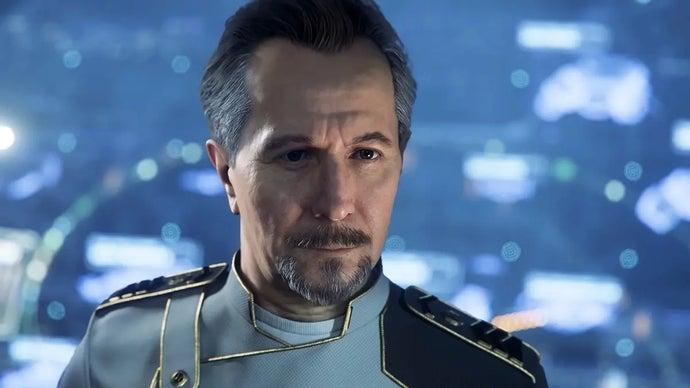
As game developers, we often focus on the intricate details of coding, art, and design. But sometimes, the biggest decisions aren't made in the engine, but in the boardroom, driven by the unpredictable currents of the market. This week, we saw a stark reminder of this reality with Cloud Imperium's announcement: the highly anticipated Star Citizen spin-off, Squadron 42, is being delayed to Q2 2027. The reason? To avoid "launching into the attention buzz saw of Grand Theft Auto 6," as reported by GamesIndustry.biz.
This isn't just news; it's a critical lesson in strategic market timing for every studio, from indie teams to AAA giants. When a behemoth like Grand Theft Auto 6 enters the arena, the entire industry shifts, and understanding how to navigate that disruption is paramount.
The Gravity Well of a Blockbuster Launch
Let's be frank: Grand Theft Auto 6 isn't just a game release; it's a global cultural event. The sheer scale of its marketing, the decades of built-up hype, and the massive, dedicated fanbase create a "gravity well" that sucks in an unprecedented amount of industry and player attention. For any other title, no matter how ambitious or well-made, attempting to launch directly into that window is like trying to whisper in a hurricane.
The "halo effect" of a title like GTA 6 can indeed boost overall industry engagement, as some analysts suggest. More people are talking about games, buying games, and looking at gaming news. However, this generalized uplift doesn't necessarily translate into direct success for a competing title launching simultaneously. Instead, it often means fighting for scraps of attention in a media landscape utterly dominated by one narrative.
Why Attention Matters More Than Ever
In today's crowded market, visibility is currency. Developers pour millions into marketing, community management, and PR to ensure their game stands out. But when a title like GTA 6 drops, that investment can be severely diluted.
Consider these factors:
- Media Saturation: Gaming journalists, streamers, YouTubers, and social media influencers will be almost exclusively focused on GTA 6. Securing coverage for your game becomes astronomically difficult.
- Player Mindshare: Gamers have finite time and disposable income. Many will dedicate their gaming hours and budgets to the new Grand Theft Auto title for months, if not years.
- Developer Burnout: Even if your game is ready, the stress of launching against such a titan, knowing your efforts might be overshadowed, can be demoralizing for the team.
Cloud Imperium's decision, while undoubtedly painful for fans and perhaps for their internal timelines, is a pragmatic one. It acknowledges the overwhelming reality of the market and prioritizes the long-term success of Squadron 42 over a potentially disastrous early launch.
Cloud Imperium's Strategic Retreat: A technical overview
Cloud Imperium Games is no small studio, and Squadron 42 is no small game. It's a single-player companion to the sprawling Star Citizen universe, boasting a star-studded cast and years of development. For them to explicitly state a delay due to a competitor is a significant admission and evidence of the power of Rockstar's upcoming title.
The Q2 2027 window chosen by Cloud Imperium suggests a calculated move. It aims to put enough distance between their launch and GTA 6's release (expected in 2025 or 2026, though specific dates are always fluid) to allow the initial "buzz saw" to subside. This allows them to:
1. Regain Media Visibility: Once the initial GTA 6 frenzy cools, there will be more room for other major titles to capture headlines and reviews.
2. Target Player Availability: Players who have thoroughly explored or taken a break from GTA 6 might be looking for their next big experience.
3. Optimize and Polish: Any additional development time can be used for further polish, bug fixing, and potentially incorporating player feedback from Star Citizen's ongoing development.
This decision reflects a mature understanding of the game development business beyond just shipping a product. It's about shipping it at the right time for maximum impact.
Navigating the Release Landscape: A Developer's Decision Flow
For any developer, the question of when to launch is fraught with peril. There are holiday seasons, competitor releases, internal milestones, and marketing cycles to consider. The Cloud Imperium example highlights that sometimes, the best launch strategy is to not launch.
Here’s a simplified decision flow chart that illustrates the strategic considerations for a game launch:
As you can see, the "Consider Delay" path isn't a failure; it's a strategic maneuver.
Key Takeaways for Game Developers
1. Market Intelligence is Crucial: Stay informed about major upcoming releases, especially those that align with your genre or target audience. Tools like SteamDB, industry news sites, and publisher roadmaps are invaluable.
2. Flexibility in Development: While deadlines are important, building in some flexibility for your release window can be a lifesaver. This might mean having a soft launch plan, a phased release, or contingency budgets for longer development cycles.
3. Find Your Niche (or Wait for Your Moment): If you can't compete head-on, can you offer something fundamentally different? Or, like Cloud Imperium, is it smarter to wait until the dust settles and your game can truly shine?
4. Community Building is Evergreen: A strong, engaged community built over time is less susceptible to being completely swayed by a single blockbuster. Continue to nurture your fanbase, regardless of market conditions.
5. Focus on Long-Term Value: A well-timed launch can contribute significantly to a game's longevity. Rushing a release into a competitive storm might generate initial buzz, but it risks being quickly forgotten.
The delay of Squadron 42 is a powerful, real-world case study. It underscores that in the high-stakes world of game development, strategic foresight and the courage to make tough decisions about market timing are just as important as technical prowess and creative vision. Sometimes, the bravest move is to step back, wait for the storm to pass, and then re-enter the fray when your game has the best chance to capture the attention it deserves.
At White Cube Studios, we translate technical architecture into shipping systems across our specialized development pillars: