July 1, 2026
6 min read
Rethinking Campaign Pacing: Deconstructing Total War: Warhammer 3's 9.0 Endgame and Faction Systems Overhaul
Key Takeaways
- •From Artificial Stacks to Narrative Climaxes: Deconstructing the 9.0 Endgame
- •Individual Victory Conditions: Overhauling Player Objectives
- •Faction Reworks: Modernizing the Vampire Counts and Nurgle
Large-scale strategy games have long struggled with a common design bottleneck: the mid-to-late campaign pacing. In games like Total War: Warhammer 3, Civilization, or Stellaris, the early game is typically a thrilling struggle for survival and initial resource gathering. Players face high stakes, scarce resources, and meaningful choices. However, once a player establishes a dominant regional empire, the challenge curve frequently flattens. This flattening often results in the "late-game slog," where victory is statistically inevitable but requires dozens of tedious turns of cleanup.
Historically, developers have resolved this by introducing artificial "Endgame Crises"—sudden, massive events designed to disrupt the player's dominance. In Total War: Warhammer 3, this took the form of spawning multiple full army stacks out of the fog of war for a chosen faction (like the Dwarfs or Orcs). While this successfully spiked the difficulty, it was widely criticized by players and game designers alike. Spawning armies out of thin air felt artificial and lacked narrative integration. It broke immersion, disrupted strategic planning, and felt like a cheap bandage rather than a well-designed climax. Creative Assembly's upcoming Update 9.0 and the Lords of the End Times DLC represent a major paradigm shift in addressing this pacing bottleneck.
From Artificial Stacks to Narrative Climaxes: Deconstructing the 9.0 Endgame
Update 9.0 introduces a fundamental reorganization of late-game mechanics. Instead of relying on sudden army spawns to create artificial difficulty, the new design decouples the difficulty scaling from the late game and distributes it across the campaign timeline. The old crisis triggers are being shifted into the mid-game, where they will act as power-ups for competing factions. This keeps the world active and dangerous without overwhelming the player with impossible stack counts at a time when they are trying to transition into the late game.
The true late-game conclusion is now built around cinematic, narrative-driven "End Times" events. Creative Assembly is developing three distinct endgame events: Archaon the Everchosen's unification of Chaos, Nagash's ascent as a playable Legendary Lord, and a redesigned Vermintide crisis. By centering the late game on legendary figures with unique mechanics rather than nameless spawned stacks, the climax becomes a narrative reward.
Archaon’s rework is particularly interesting from a systems design perspective. He gains powerful defensive mechanics and the ability to confederate any Chaos faction he encounters. This mimics the actual lore of the End Times, forcing the player to face a unified, coordinated enemy coalition rather than a scattered collection of small factions.
To understand the difference in pacing between the old endgame crisis model and the new Update 9.0 campaign loops, consider this structural comparison:
Individual Victory Conditions: Overhauling Player Objectives
Another key element of the 9.0 update is the overhaul of individual victory conditions. In the default campaign mode, victory conditions have historically been generic—such as conquering a set number of provinces or destroying specific major factions. This often forced players into playstyles that ran counter to their faction's fantasy. A nomadic or stealth-based faction shouldn't be forced to paint the map to win a campaign.
Overhauling victory conditions to make them highly tailored to each faction's theme solves two problems:
1. It shortens the campaign length to a natural conclusion point, allowing players to finish their campaign feeling satisfied rather than bored.
2. It increases replayability by ensuring that playing different factions feels like entirely different games with distinct strategic goals.
For example, individual victory conditions might focus on securing specific magical artifacts, completing quest battles, or maintaining a specific balance of power. This gives players a clear, achievable objective that aligns with their faction's narrative, drastically reducing late-game fatigue.

Faction Reworks: Modernizing the Vampire Counts and Nurgle
In addition to pacing changes, Update 9.0 and the accompanying DLC focus on faction modernization. The Vampire Counts, one of the oldest factions in the game, are slated for a major mechanical overhaul. Since the transition from Warhammer 1 to Warhammer 3, the Vampire Counts have suffered from power creep and outdated campaign mechanics. The rework aims to align their faction mechanics with the modern, high-complexity standards set by newer factions.
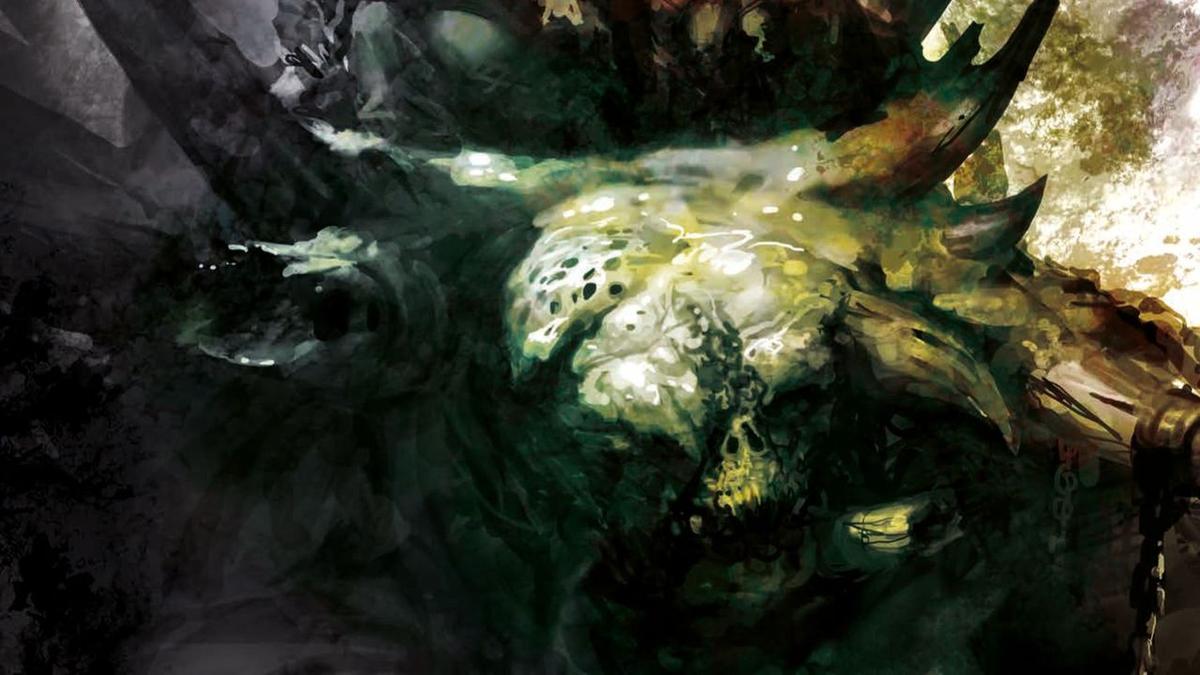
Nurgle is also receiving significant new content, including three new Legendary Heroes representing the Glottkin. In Warhammer lore, the Glottkin consists of three plague-ridden brothers: Otto, Ethrac, and Ghurk Glott. Structurally, the Glottkin represents a unique design opportunity: a single character unit composed of three distinct brothers, combining combat prowess, magic casting, and monstrous strength. In addition to the Glottkin, Nurgle's roster is expanded with the addition of the Chaos Siege Giant and the Basilisk, providing the faction with much-needed siege power and field presence.
Systems Design Lessons for Strategy Developers
For game developers, the design changes in Update 9.0 offer several valuable lessons in campaign pacing and systems architecture:
- Avoid Artificial Climax Spikes: Sudden spawns and stat-bloat can feel frustrating. Pacing changes should feel like a natural escalation of existing game mechanics and narrative themes.
- Design to Faction Fantasies: Victory conditions should match the gameplay style of the faction. Forcing players into a single, generic victory path limits strategic diversity.
- Distribute Difficulty Curves: Shift some of the late-game difficulty spikes into the mid-game as organic faction power-ups. This keeps the mid-game engaging while keeping the late-game focused on narrative closure.
As strategy games continue to grow in scope, managing the player's time and engagement throughout long campaigns will remain a critical design challenge. Update 9.0 shows that sometimes, the best way to improve the late game is to rebuild the campaign path from the ground up.