July 8, 2026
7 min read
Obsidian's Fallout Pivot: Avowed 2 Cancelled Amidst Xbox's Reset
Key Takeaways
- •The Fallout of Xbox's "Reset": Prioritizing Blockbusters
- •Obsidian's New Direction: Back to the Wasteland
- •The Developer's Perspective: Navigating Project Cancellations and Pivots
As game developers, we often navigate a landscape where creative vision meets corporate strategy, and sometimes, those two forces collide in unexpected ways. The latest news from Xbox and Obsidian Entertainment is a stark reminder of this reality. Reports indicate that Obsidian, the beloved studio behind Fallout: New Vegas and Pillars of Eternity, is shifting its focus dramatically: a planned sequel to their 2025 action-RPG Avowed has been cancelled, along with other unannounced projects, to prioritize the development of a new Fallout game. This move, as reported by Bloomberg and GameSpot, is a direct consequence of Xbox's ongoing "reset" strategy, championed by new CEO Asha Sharma.
The Fallout of Xbox's "Reset": Prioritizing Blockbusters
We've been discussing the broader implications of Xbox's strategic shift for a while now, with the recent mass layoffs and studio divestments sending ripples across the industry. GameSpot highlights that this "reset" for the Xbox brand comes after the company "has been floundering this generation," leading to Sharma's attempts to "right the ship—either for continued profitability or a possible sell-off." This involves selling off studios known for "smaller or more niche games" and having larger studios like Bethesda "refocusing their efforts on their biggest, surefire hits."
This is where Obsidian comes into play. Despite Avowed being an "underrated 2025 action-RPG," its sequel didn't fit into this new, laser-focused strategy. Bloomberg, as cited by GameSpot, reported that progress on Avowed 2 was "going well" and "on track" to be announced within the next year, with Obsidian even hoping to leverage existing world and technology for a quicker development cycle. Yet, it was reportedly scrapped, leading to the unfortunate layoff of 52 workers at Obsidian, according to a Game File report mentioned by GameSpot.
It's a tough pill to swallow for any developer. Imagine pouring your heart and soul into a project, seeing it take shape, only for it to be cut due to broader corporate mandates. It underscores the precarious balance between creative autonomy and the commercial realities of a multi-billion dollar industry.
Obsidian's New Direction: Back to the Wasteland
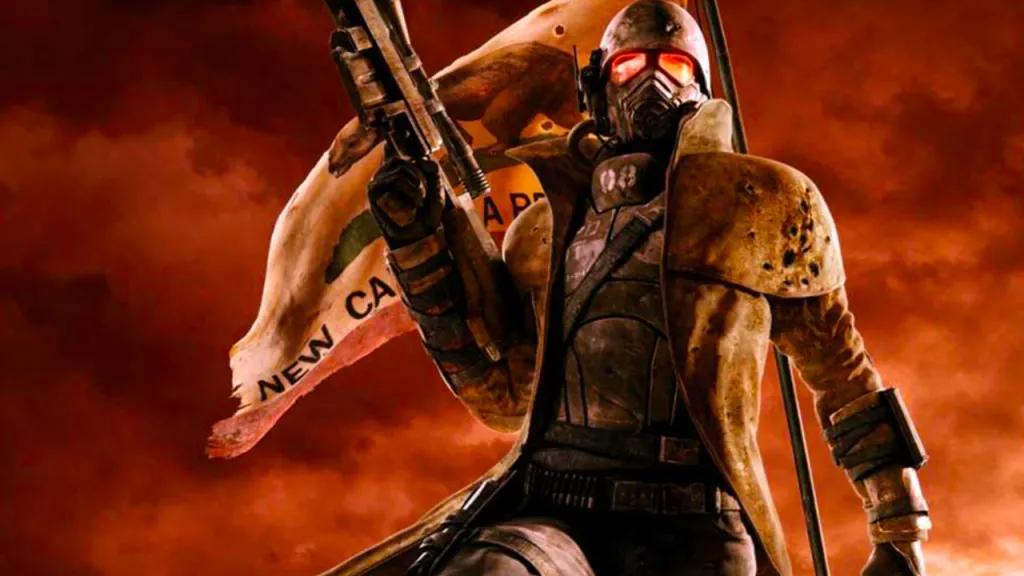
The silver lining, if there is one, for Fallout fans and perhaps for Obsidian's future, is the reported pivot to a new Fallout game. This news is particularly exciting because it marks a return to the franchise for Obsidian, who developed the critically acclaimed Fallout: New Vegas. Multiple sources, including GameSpot, PC Gamer, and Polygon, confirm this new focus.
The project is reportedly being led by Josh Sawyer, a name that resonates deeply with Fallout fans. Sawyer previously directed Fallout: New Vegas and, more recently, the highly praised Pentiment. His involvement immediately lends credibility and excitement to the prospect of a new Fallout title from Obsidian. It's unclear at this stage whether this will be Fallout 5 or a spin-off akin to New Vegas, but the potential for a narrative-rich, choice-driven RPG is palpable.
Here’s a simplified look at the strategic shift:
The Developer's Perspective: Navigating Project Cancellations and Pivots
For us, the developers, this situation brings several key takeaways:
- The Inherent Risk of New IP: Even with a successful first entry like Avowed, sequels to new IPs can be vulnerable when a publisher undergoes a significant strategic shift. The emphasis on "surefire hits" means that established, globally recognized franchises often take precedence.
- The Value of Proven Talent: The fact that Josh Sawyer, a veteran with a proven track record on Fallout, is leading the new project highlights the importance of experienced leadership in navigating these high-stakes pivots. His expertise could be key to delivering a quality Fallout experience, mitigating some of the risks associated with a sudden project change.
- Publisher Influence on Creative Direction: This is a clear example of a publisher, Microsoft/Xbox, directly influencing the creative direction of its acquired studios. While Obsidian has a history with Fallout, the cancellation of a "going well" project for a new one demonstrates the top-down pressure to align with broader corporate goals.
- Resilience and Adaptability: Studios like Obsidian must be incredibly adaptable. Shifting gears from one major RPG to another, especially after layoffs, requires immense resilience from the remaining team members.
The Allure of the Wasteland: Why Fallout Now?
The decision to lean into Fallout isn't arbitrary. The franchise has seen a massive resurgence in popularity, largely thanks to the critically acclaimed Amazon Prime Video series. This show has introduced Fallout to a new, wider audience, driving renewed interest in the games.
While Bethesda Game Studios is busy with The Elder Scrolls VI, having Obsidian tackle a new Fallout game is a strategic masterstroke for Microsoft. It allows them to capitalize on the franchise's current momentum without diverting resources from their other massive IP. For many, Fallout: New Vegas is considered one of the best entries in the series, lauded for its intricate quest design, compelling characters, and player agency. Bringing back the original director for a new installment is a powerful signal to fans.
What This Means for the Broader Industry
Obsidian's pivot is not an isolated incident; it's a symptom of larger trends in the gaming industry:
- Risk Aversion and IP Consolidation: Publishers are increasingly risk-averse, opting to invest heavily in proven, high-profit potential IPs rather than funding multiple mid-tier or new ventures. This leads to a consolidation of development efforts around a smaller number of blockbuster franchises.
- The "Live Service" vs. "Premium Single-Player" Debate: While Avowed is a premium single-player RPG, the general shift towards "surefire hits" often implies games with long-term monetization potential, whether through sequels or live-service elements. It's a constant tension for developers.
- The Human Cost of Corporate Strategy: The layoffs at Obsidian are a stark reminder that behind every strategic pivot and financial restructuring, there are real people and livelihoods affected. The Communication Workers of America (CWA) has been vocal about the impact of these layoffs, emphasizing that "workers deserve protection, not to be treated like disposable line items," as reported by GamesIndustry.biz regarding broader Xbox cuts.
Looking Ahead: A New Vegas for a New Generation?
The prospect of a new Fallout game from Obsidian, particularly with Josh Sawyer at the helm, is genuinely exciting. It offers the potential for a game that captures the spirit of New Vegas while leveraging modern technology and design sensibilities. However, it also serves as a potent case study in the challenges faced by developers working within large publishing ecosystems.
As game creators, we must always be mindful of the business realities that shape our projects. While passion and innovation drive us, understanding the strategic priorities of publishers, the market's demands, and the inherent risks of development are crucial for navigating a career in this dynamic industry. This latest development from Obsidian and Xbox is a masterclass in the complex interplay of these forces, and one we'll be watching closely.
What are your thoughts on this strategic pivot? Are you excited for a new Fallout from Obsidian, or do you mourn the loss of Avowed 2? Share your insights below!