Netflix's Gaming Strategy Shift: Lessons from Recent Studio Closures


Key Takeaways
- •The Promise of Netflix Gaming: A Brief History
- •The Strategic Pivot: Narrowing the Focus
- •Implications for Game Developers
As game developers, we constantly navigate a dynamic industry, often celebrating new ventures and lamenting unfortunate closures. This week, news broke that serves as a stark reminder of the volatility inherent in even the most ambitious corporate strategies: Netflix has shuttered two more of its internal game development studios, Night School Studio and Moonloot.
Night School Studio, known for the critically acclaimed Oxenfree and the recently released Unhinged, was acquired by Netflix in 2021. Moonloot was another studio under the streaming giant's gaming umbrella. These closures, reported by GameSpot and Polygon, come amidst a stated strategic shift from Netflix, narrowing its focus within the gaming sector.
The Promise of Netflix Gaming: A Brief History
When Netflix first announced its foray into gaming, it was met with a mix of excitement and skepticism. The idea of a subscription service, renowned for its content library, venturing into interactive entertainment held significant promise. For developers, it represented a potentially stable new platform with a massive built-in audience, free from traditional monetization pressures like in-app purchases or upfront costs.
Netflix's strategy included acquiring established studios, with Night School Studio being a prominent example. Their horror title Unhinged, released earlier this summer, even received acclaim from players and was highlighted by Netflix co-CEO Greg Peters as one of "our two most successful cloud game debuts" during an investor call, according to GameSpot. This makes the closure even more poignant, demonstrating that even successful titles might not align with evolving corporate priorities.
The Strategic Pivot: Narrowing the Focus
According to Netflix's statement to Game File, the company is "narrowing its focus to games for kids, party games, story-driven titles, or 'games with mainstream hooks.'" They articulated this as an opportunity "to be more focused in our execution," leading to "organizational changes to the business to match those priorities."
This pivot indicates a move away from a broad portfolio approach towards a more curated selection of genres and target demographics. While Unhinged was a story-driven horror game, perhaps its niche appeal didn't fit the "mainstream hooks" or broader "kids/party" categories Netflix is now prioritizing.
Let's visualize this strategic evolution:
Implications for Game Developers
These closures carry significant lessons for developers, whether you're an indie studio, part of a larger team, or considering a partnership with a platform holder:
- Publisher Alignment is Paramount: Even if your game is successful and critically acclaimed, if it doesn't align with the evolving strategic vision of your publisher, your studio's future can be at risk. This highlights the importance of deeply understanding a publisher's long-term goals and being aware that these goals can shift.
- The M&A Rollercoaster: Studio acquisitions can offer stability and resources, but they also come with inherent risks. When a larger entity acquires a studio, it often integrates it into a broader ecosystem with different priorities and financial expectations. Developers can lose some autonomy, and their fate becomes tied to the parent company's overall performance and strategic adjustments.
- Defining "Success" Varies: What constitutes a "successful cloud game debut" for a streaming service might be different from what ensures a studio's longevity. Player acclaim and positive reviews are crucial, but they must also translate into metrics that align with the parent company's overarching business model.
- The "Mainstream Hook" Challenge: Netflix's emphasis on "mainstream hooks" is a commercial reality. While innovation and niche genres are vital for the industry, developers seeking partnerships with large platforms must consider how their projects fit into a broader appeal strategy. This doesn't mean sacrificing artistic vision, but understanding the commercial viability from a publisher's perspective.
- Diversification is Key: For independent studios, relying on a single major deal can be precarious. Diversifying revenue streams, maintaining your own IP, and exploring multiple publishing avenues can provide a buffer against sudden shifts in a partner's strategy.
A Broader Industry Trend?
While specific to Netflix, these closures echo a broader trend of consolidation and recalibration in the gaming industry. We've seen significant layoffs across various companies, and even major players like Xbox have recently "spun out" studios like Compulsion Games, allowing them to publish their own titles. This suggests a period where companies are tightening their belts, re-evaluating their investments, and focusing on core competencies.
On the flip side, we also see new opportunities emerging. Mattel, for instance, just announced the formation of Mattel Game Studios, a global development organization aimed at creating games based on its IP. Similarly, 2K is establishing a new AAA studio in Vancouver led by an EA veteran. These contrasting narratives underscore the complex nature of our industry: constant evolution, with both expansion and contraction happening simultaneously.
Moving Forward
For game developers, the Netflix news is a sobering reminder to remain agile, informed, and strategic. It reinforces the value of strong business acumen alongside creative and technical skills. When evaluating partnerships or planning your next project, consider:
- Due Diligence: Thoroughly research potential partners, understand their long-term vision, and discuss how your studio and game fit into that vision.
- Contract Clarity: Ensure contracts clearly define expectations, intellectual property rights, and exit strategies.
- Building Your Brand: Cultivate your studio's identity and audience independent of any single platform or publisher.
- Financial Prudence: Maintain a healthy financial runway and explore diverse funding models.
The game industry continues its rapid evolution. While the closure of Night School Studio and Moonloot is unfortunate for the talented individuals affected, it offers valuable insights for all of us striving to build sustainable careers and create impactful games. We must learn from these shifts and adapt our strategies to thrive in this ever-changing landscape.
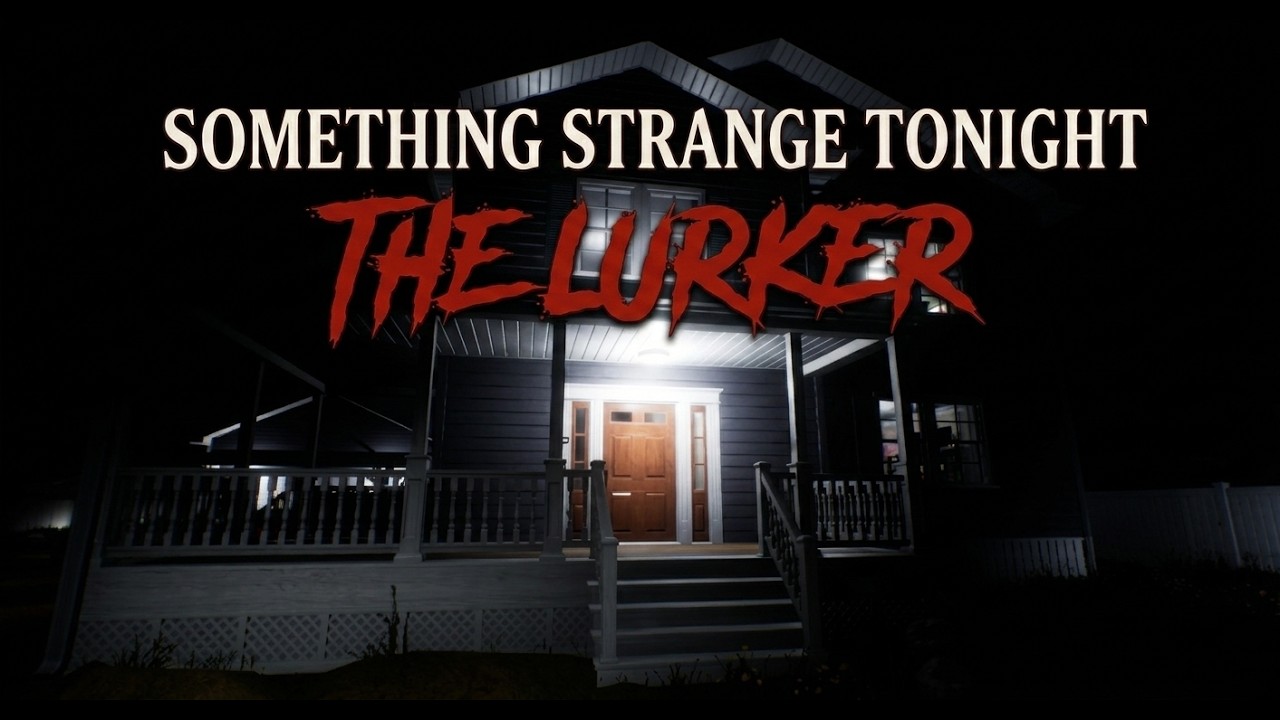
A look at the gameplay of P.T., a game that inspired many indie horror titles, showcasing the kind of unique, story-driven experiences that sometimes struggle to find a consistent home within large platform strategies.
Stay sharp, keep creating, and remember that adaptability is our greatest asset.
Vikas Singh is a seasoned game developer with over 15 years of experience across various platforms and genres. He is passionate about sharing insights and fostering growth within the global game development community.
At White Cube Studios, we translate technical architecture into shipping systems across our specialized development pillars: