July 19, 2026
8 min read
Navigating IP Crossovers: Art Direction & Fan Expectations
Key Takeaways
- •The Challenge of Art Style Adaptation in Crossovers
- •Key Factors Influencing Player Reception to Crossover Art:
- •Deconstructing Fan Backlash: A Developer's Perspective
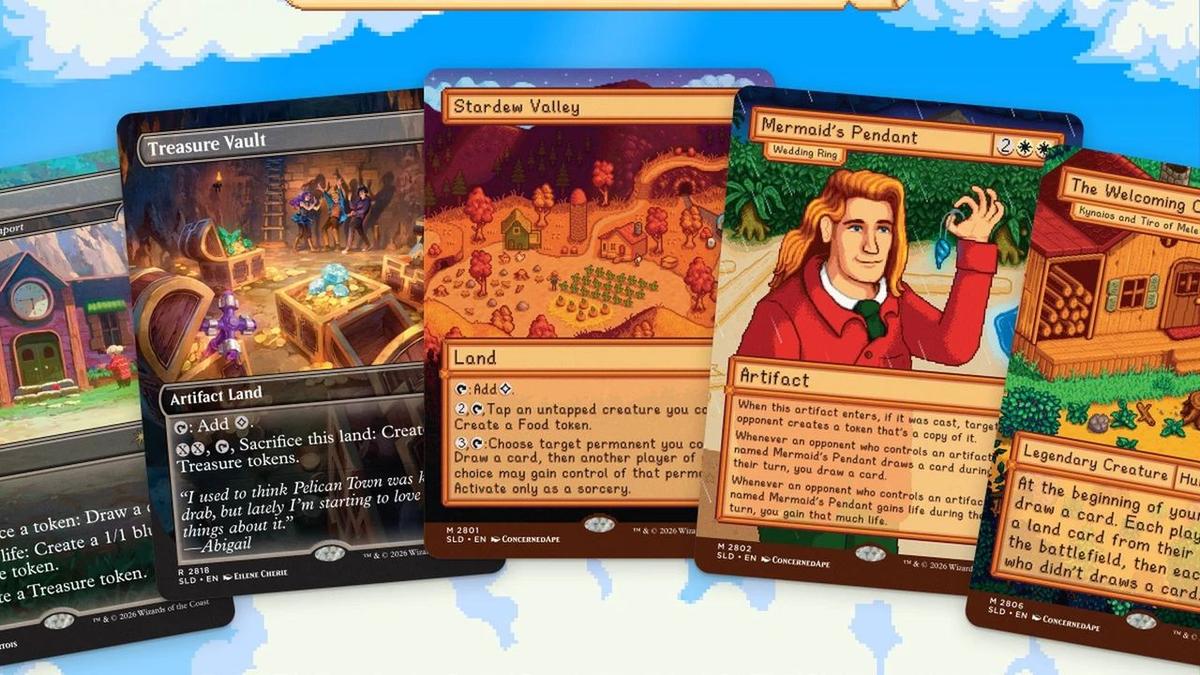
As game developers, we often dream of collaborating with other beloved intellectual properties (IPs). Crossovers can be a fantastic way to introduce new audiences to our games and offer existing fans fresh experiences. However, these ventures are fraught with peril, especially when it comes to art direction. The recent "Stardew Valley comes to Magic: The Gathering" collaboration serves as a potent case study on the delicate balance required to honor original art styles while adapting them for a new medium, and the significant impact of player reception.
The core issue highlighted by the community is that "fans aren't taking some of the new artwork well," with sentiments like "Look how they massacred my boy." This reaction isn't merely about personal taste; it speaks to a deeper connection players have with a game's aesthetic and characters. For developers, understanding this phenomenon is crucial for successful IP integration.
The Challenge of Art Style Adaptation in Crossovers
Every game, especially one as iconic as Stardew Valley, possesses a unique visual identity that contributes significantly to its charm and player connection. Stardew Valley's pixel-art, cozy, and slightly melancholic aesthetic is instantly recognizable. When such an IP crosses over into a different artistic universe, like Magic: The Gathering's more realistic, high-fantasy art style, a fundamental tension arises.
The goal of a crossover is typically to bring the essence of one IP into another. This isn't just about character models or color palettes; it's about capturing the feeling and spirit of the original. When the artistic interpretation deviates too far from what fans expect, it can lead to a sense of betrayal or misrepresentation. This is particularly true for characters that players have formed emotional bonds with.
Key Factors Influencing Player Reception to Crossover Art:
- Fidelity to Original Style: How closely does the new artwork adhere to the established visual language of the original IP?
- Character Recognition: Are beloved characters instantly recognizable, or have their core features been altered in a way that feels alien?
- Tone and Mood: Does the new art capture the overall tone and mood of the original game, or does it feel forced into a different aesthetic?
- Expectation vs. Reality: Players often build strong mental images of how their favorite characters should look in different styles. Deviations can be jarring.
The Stardew Valley x Magic: The Gathering situation underscores that players want to see their cherished characters, but they want them to feel like themselves, even in a new artistic context.
Deconstructing Fan Backlash: A Developer's Perspective
When fans express strong negative reactions to art in a crossover, it’s not always an indictment of the new art's technical quality. More often, it's a clash of expectations and a perceived disrespect for the original IP's integrity. For game developers, this feedback, while sometimes harsh, offers invaluable lessons.
The Expectation Gap
Stardew Valley has a distinct, charming, and somewhat simple art style that evokes feelings of nostalgia and comfort. Magic: The Gathering, on the other hand, is known for its intricate, often gritty, and detailed fantasy illustrations. Merging these two without careful consideration can lead to an "uncanny valley" effect, where familiar elements are rendered in an unfamiliar way that feels off-putting.
One of the images from the article, for instance, shows a character, Shane, whose Stardew Valley depiction is known for its pixelated charm. His Magic: The Gathering rendition, while technically proficient, might lose the specific endearing qualities that fans associate with his original design.
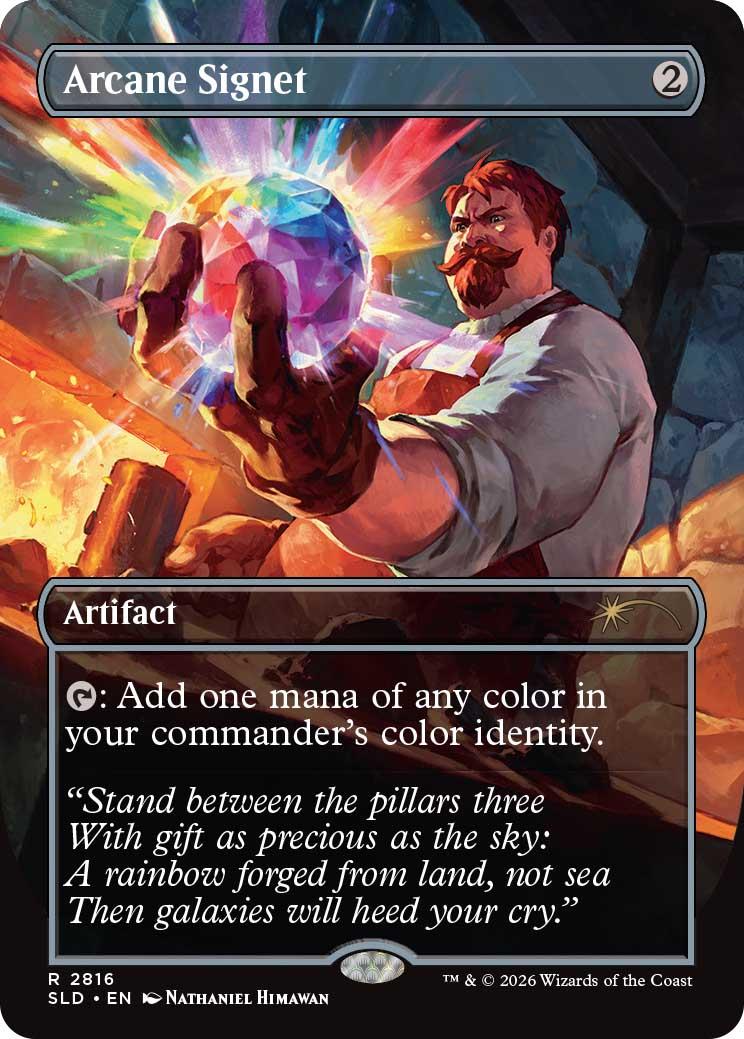
This "expectation gap" highlights the challenge: how do you translate the essence of a low-fidelity, stylized character into a high-fidelity, different style without losing the soul that made them beloved?
The Role of Nostalgia and Emotional Attachment
Players develop deep emotional connections with games and their characters. Stardew Valley, in particular, fosters a strong sense of community and personal investment. Any alteration to its established aesthetic or character portrayal can feel like a personal affront to that connection. Developers must recognize that they are not just dealing with pixels or polygons, but with players' memories and affections.
The phrase "Look how they massacred my boy" perfectly encapsulates this sentiment. It's not just a criticism of art; it's an expression of grief over a perceived loss of the character's original identity.
Strategies for Successful IP Art Direction in Crossovers
So, how can developers navigate these treacherous waters and create crossovers that delight rather than disappoint?
1. Deep Dive into Original IP's Art Philosophy
Before touching a single brushstroke, immerse your art team in the original IP's art philosophy. What are its core visual tenets? What emotions does it evoke through its art? For Stardew Valley, it's simplicity, coziness, and a handcrafted feel. For Magic: The Gathering, it's epic fantasy, intricate detail, and a sense of power. Understanding these fundamental differences is the first step.
2. Establish Clear Artistic Guidelines and Boundaries
Work closely with the original IP holders to define what elements are sacred and what can be adapted. This might involve:
- Character Essences: Identifying non-negotiable character traits that must be preserved regardless of style.
- Color Palettes: Defining primary and secondary color schemes that should be referenced.
- Proportion and Silhouette: Ensuring character silhouettes remain distinct and recognizable.
- Emotional Expression: How characters convey emotion in the original IP versus the new one.
3. Iterative Prototyping and Feedback
Don't wait until the final reveal to gauge fan reaction. Early prototyping of character designs and environments in the new art style is crucial. Utilize internal art reviews and, if possible, controlled external feedback groups to identify potential pitfalls early.
4. Transparency and Communication
Be transparent with your community about the artistic process and the decisions being made. Explain the rationale behind stylistic choices. While you can't please everyone, an informed community is often a more understanding one. Share concept art, explain the challenges, and show how you're attempting to bridge the two styles.
5. Consider a Spectrum of Adaptation
Not all crossovers require a complete stylistic overhaul. Sometimes, a more subtle integration or even maintaining the original style within the new context can be more effective.
- Direct Translation: Attempting to recreate the original art style perfectly within the new medium (e.g., Stardew Valley characters rendered in Magic: The Gathering's pixel art, if applicable).
- Stylized Interpretation: Adapting the core elements but allowing for the new IP's artistic flair (e.g., Stardew Valley characters with MTG's level of detail but retaining their distinct proportions and expressions).
- Homage/Parody: Leaning into the differences for comedic or thematic effect, which requires careful execution.
The Stardew Valley x Magic: The Gathering collaboration primarily falls into the "Stylized Interpretation" category, but the challenge lies in how far that interpretation can stretch before breaking the emotional connection.
Here's a simplified view of the decision-making process for art style integration:
The Long-Term Impact on Brand and IP
A poorly executed crossover, particularly one that disrespects the original IP's aesthetic, can have long-lasting consequences. It can erode fan trust, dilute brand identity, and even impact future collaborative opportunities. Conversely, a well-executed crossover can invigorate both IPs, drawing new fans and reaffirming the creative vision of both development teams.
The Stardew Valley and Magic: The Gathering situation reminds us that IP crossovers are not just business opportunities; they are creative endeavors that must respect the art and the audience. As game developers, our responsibility extends beyond technical execution to understanding and honoring the emotional landscape of our players. By meticulously planning art direction, engaging with communities, and valuing the essence of each IP, we can turn potential pitfalls into celebrated successes.
Ultimately, the goal is to create something new that feels both fresh and familiar, a true celebration of two worlds colliding, rather than a jarring collision. The art of adaptation is a delicate dance, and mastery lies in listening to the rhythm of the community.