July 29, 2026
9 min read
Mastering Martian Survival: Your Guide to Sol One's Potato Farming
Key Takeaways
- •Introduction to Sol One: The Martian Agriculturalist
- •The Foundation: Mastering Hydrology and Agronomy
- •Resource Scarcity and Strategic Allocation
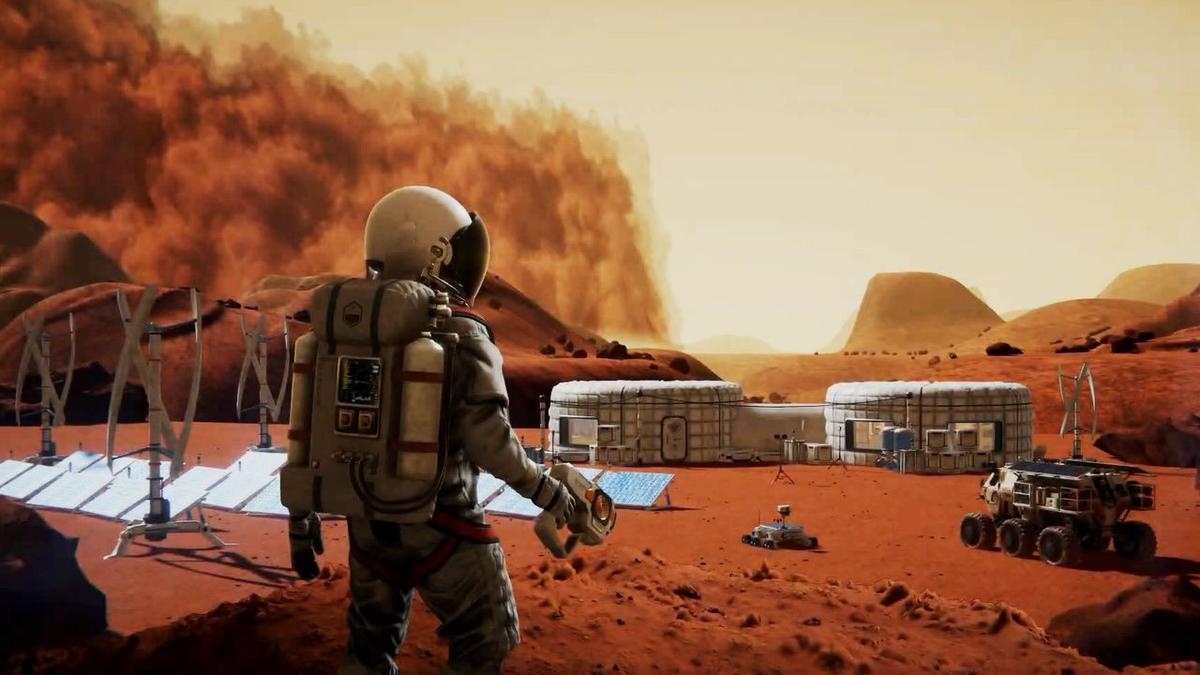
As game developers, we're constantly looking for fresh takes on established genres. The survival game space, while robust, often benefits from a unique hook. This week, we've seen the launch of Sol One on Steam, a new survival game that immediately evokes comparisons to the critically acclaimed film The Martian. Stranding players on the Red Planet with the singular, yet profound, goal of growing potatoes to survive, Sol One presents a fascinating design challenge for players. This guide will break down the core strategic principles required to not just survive, but thrive, in this distinctly agricultural take on Martian isolation.
Introduction to Sol One: The Martian Agriculturalist
Sol One places players in an extreme scenario: marooned on Mars, with the primary objective of cultivating potatoes as the sole reliable food source. This premise, heavily influenced by the resourcefulness depicted in The Martian, shifts the typical survival game focus from hunting and foraging to meticulous environmental control and botany. From a design perspective, this narrows the player's immediate concerns but deepens the strategic layers around resource management and base construction. Understanding this core design philosophy is the first step toward mastering Sol One.
The harsh Martian environment is not merely a backdrop; it's an active antagonist. Every decision, from where to establish your initial habitat to how you allocate precious water, directly impacts your ability to sustain life and, crucially, your potato crops. This isn't a game about brute force; it's about scientific ingenuity and resilient planning in the face of overwhelming odds.
The Foundation: Mastering Hydrology and Agronomy
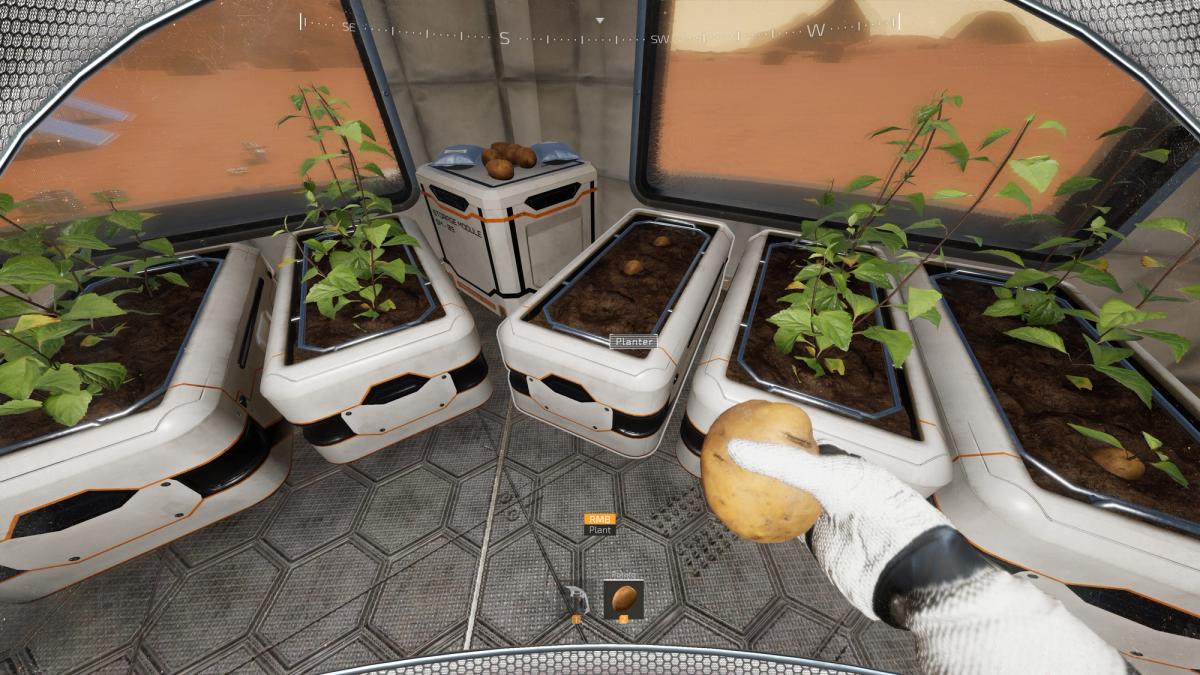
The central pillar of Sol One's gameplay, as implied by its premise, is potato farming. For players, this translates into a multi-faceted challenge requiring careful consideration of several interconnected systems. From a design standpoint, this mechanic needs to feel both challenging and rewarding, pushing players to optimize their setup.
To successfully cultivate potatoes on Mars, players will need to master:
- Soil Preparation: Martian regolith is not naturally fertile. Players must strategize how to process, enrich, or synthesize suitable growing mediums. This could involve composting organic waste (if any is available, or generated), or utilizing mineral processing.
- Water Management: Water is the most critical resource on Mars. Effective strategies will involve locating ice deposits, melting them, purifying the resulting water, and then creating closed-loop irrigation systems to minimize waste. Every drop counts.
- Controlled Environment: Potatoes, like most Earth crops, require specific temperatures, atmospheric pressure, and light cycles. Players must design and build enclosed habitats that can maintain these conditions, requiring power generation and atmospheric control systems.
- Crop Rotation/Optimization: While potatoes are the staple, a robust system might allow for minor variations or optimizations in their growth cycle to maximize yield or accelerate maturity.
A well-designed agricultural system in Sol One will be the cornerstone of your long-term survival, moving you from a precarious existence to a self-sustaining operation.
Resource Scarcity and Strategic Allocation
Beyond potatoes, the Martian environment in Sol One demands stringent resource management across the board. The game's design likely emphasizes scarcity, forcing players to make difficult choices and prioritize needs. As an expert game developer, I can tell you that in such a scenario, every unit of power, every cubic meter of air, and every piece of raw material must be accounted for.
Key resources players should expect to manage include:
- Power: Essential for life support, environmental controls, water purification, and potential crafting. Solar panels, RTGs (radioisotope thermoelectric generators), or even wind turbines (if Martian winds permit) could be sources, each with their own setup and maintenance costs.
- Atmosphere: Maintaining breathable air within your habitat. This involves CO2 scrubbers, oxygen generators, and pressure regulation systems, all of which consume power and require maintenance materials.
- Building Materials: Scavenged from your landing site, processed from Martian rocks, or synthesized from basic elements. These are vital for expanding your base, repairing damaged structures, and upgrading systems.
- Tools and Equipment: Durability and repair are likely factors. Players must manage their inventory, craft replacements, and ensure they have the right tools for each task, from rock extraction to delicate plant care.
A crucial strategic approach in Sol One will be to establish a clear hierarchy of needs and ensure critical systems are always adequately supplied, even if it means temporarily sacrificing less urgent projects.
Habitat Engineering: Building for Resilience
Your base in Sol One is more than just a shelter; it's your lifeline. The game's design will likely challenge players to construct and expand a resilient habitat capable of withstanding the Martian environment while supporting complex operations.
Consider these aspects of base building:
- Location Selection: Initial placement is paramount. Proximity to potential water sources (ice), flat terrain, and perhaps even sheltered areas (canyons, craters) could offer strategic advantages.
- Modularity and Expansion: A well-designed base will allow for modular expansion, enabling players to add new sections for potato farms, water recyclers, power generation, and living quarters without completely redesigning their layout.
- Structural Integrity: Dust storms, micrometeorites, and extreme temperature fluctuations are plausible threats. Players will need to invest in durable materials and potentially reinforced structures to protect their vital systems.
- Internal Layout: Efficient internal design minimizes travel time, optimizes resource flow (e.g., water from purification to farm), and maximizes usable space within the pressurized environment.
Planning your base layout with future expansion and environmental resilience in mind will be critical for long-term survival.
Navigating the Red Planet's Hostility
The Martian environment itself is a formidable foe in Sol One. The game's design is heavily predicated on this environmental hostility, requiring players to constantly adapt and overcome. Players must internalize these challenges and build systems to mitigate their impact.
Potential environmental threats include:
- Dust Storms: These can reduce visibility, damage exterior equipment (like solar panels), and potentially breach less robust structures. Players might need to batten down the hatches and rely on stored power during these events.
- Extreme Temperatures: The vast temperature swings on Mars necessitate robust insulation and heating/cooling systems within the habitat, which in turn consume significant power.
- Radiation: Without a thick atmosphere or magnetic field, Mars is exposed to dangerous radiation. Shielding, both passive (from terrain) and active (from base design), will be a key consideration for player health and crop viability.
- Limited Mobility: Traversing the Martian surface will likely be hazardous and resource-intensive, requiring careful planning for expeditions to scavenge or explore.
Understanding and preparing for these environmental hazards is as important as managing your internal resources.
The Core Survival Loop: A Martian Cycle
The interplay of these mechanics forms a cyclical survival loop that players will constantly engage with in Sol One. This loop, at its heart, drives progression and ensures continuous engagement with the game's core challenges.
This diagram illustrates how early actions feed into sustainable practices, which then enable expansion and further exploration, ultimately restarting the cycle at a higher level of complexity.
Early-Game Design Principles for Players
The initial hours in Sol One are the most critical. Just like in any survival game, establishing a stable foothold is paramount.
- Prioritize Life Support: Your first objective should be a basic, enclosed habitat with breathable air and stable temperatures. Forget fancy upgrades; focus on the essentials that keep you alive.
- Find Water Immediately: Without water, there are no potatoes. Dedicate early efforts to locating and establishing a reliable, even if rudimentary, water source and purification method.
- Plant Your First Potatoes: Once water and a basic growing environment are secured, get those first potato seeds in the ground. Their growth cycle will dictate your timeline for other major projects.
- Scavenge Efficiently: Your landing module likely contains vital initial resources. Ration them carefully and use them to craft tools that facilitate more efficient scavenging of the immediate surroundings.
Mid-Game Design Principles for Players
Once you've stabilized your initial operations and have a steady (if small) supply of potatoes, Sol One will challenge you to think about long-term sustainability and growth.
- Automate and Optimize: Look for opportunities to automate resource gathering, water recycling, and atmospheric control. This frees up your time for more complex tasks.
- Expand Your Farm: A single potato patch won't sustain ambitious projects. Strategically expand your agricultural output, considering redundancy in case of system failures.
- Research and Development: While not explicitly stated, survival games often feature a technology tree. In Sol One, this could involve researching advanced water purification, more efficient power generation, or improved habitat materials.
- Long-Range Exploration: With a stable base, you can begin planning longer expeditions to discover rare resources, new scientific data, or even clues about your predicament.
Conclusion: Thriving on the Red Planet
Sol One presents a compelling blend of scientific problem-solving and classic survival gameplay, all centered around the humble potato. By understanding the game's core design principles – emphasizing meticulous resource management, environmental control, and a steady progression of agricultural output – players can approach the Red Planet with confidence. Whether you're a veteran of survival games or a newcomer drawn in by the unique premise, mastering the art of Martian potato farming is your ticket to long-term success in Sol One. Good luck, astronaut. May your crops be bountiful.