July 23, 2026
9 min read
Mastering Colony Sim Development: Insights from Genre Founders
Key Takeaways
- •The Interconnected Web: Managing Systemic Complexity
- •Crafting Emergent Narratives: The Unpredictable Storyteller
- •The AI Conundrum: Giving Life to Your Colonists
Colony simulation games stand as a testament to the power of systemic design in game development. From the dark humor of Dungeon Keeper to the legendary complexity of Dwarf Fortress, these titles captivate players with their intricate worlds, emergent narratives, and the sheer satisfaction of building and managing a thriving (or failing) settlement. However, behind every sprawling colony and every memorable colonist story lies a labyrinth of development challenges. A recent PC Gamer article delves into this very topic, featuring interviews with the genre's founding fathers to uncover the core difficulties in bringing these ambitious simulations to life.
As an expert game developer, understanding these foundational challenges is crucial for anyone aspiring to create the next great colony sim. This guide breaks down the essential design and technical hurdles, drawing lessons from the experiences of the pioneers who shaped this beloved genre, as highlighted in the PC Gamer's insightful discussions.
The Interconnected Web: Managing Systemic Complexity
At the heart of every colony sim is a dense network of interconnected systems. Resources, production chains, character needs, environmental factors, and external threats all interact in a delicate balance. Designing these systems so they are both deep and comprehensible is perhaps the first and most profound challenge. The "founding fathers" of the genre, as interviewed by PC Gamer, have undoubtedly grappled with the exponential complexity that arises when even a few simple rules combine.
Consider a basic colony where colonists need food, sleep, and shelter. Food requires farming, which needs tools, water, and fertile land. Tools require mining, smelting, and crafting. Each layer adds more dependencies and potential points of failure. The developer's task is not just to create these systems, but to ensure they function harmoniously, allow for player intervention, and provide meaningful feedback. Without careful planning, a game can quickly devolve into an unmanageable mess of bugs and obscure mechanics.
Here's a simplified representation of interconnected systems:
This diagram, while simple, illustrates how a change in one area (e.g., a shortage of raw materials) can ripple through the entire colony, impacting food production, tool crafting, and ultimately, colonist morale and survival. The challenge intensifies as more systems are added, demanding robust architecture and meticulous balancing.
Crafting Emergent Narratives: The Unpredictable Storyteller
One of the most celebrated aspects of colony sims, particularly games like Dwarf Fortress, is their ability to generate unique, emergent stories. Players recount tales of heroic colonists, bizarre accidents, and unexpected triumphs or tragedies. This isn't achieved through scripted events, but by designing systems that allow for unpredictable interactions between characters, environments, and player decisions. The PC Gamer article likely explores how pioneers managed to cultivate this fertile ground for storytelling.
The difficulty lies in creating systems that are complex enough to produce interesting outcomes, yet stable enough not to break entirely. It requires a delicate balance between deterministic rules and elements of randomness or player agency. Developers must anticipate countless scenarios without explicitly coding for them, fostering a sense of organic growth and surprise. This often means designing robust AI behaviors, detailed character traits, and environmental interactions that can combine in unforeseen ways, leading to truly unique gameplay moments.
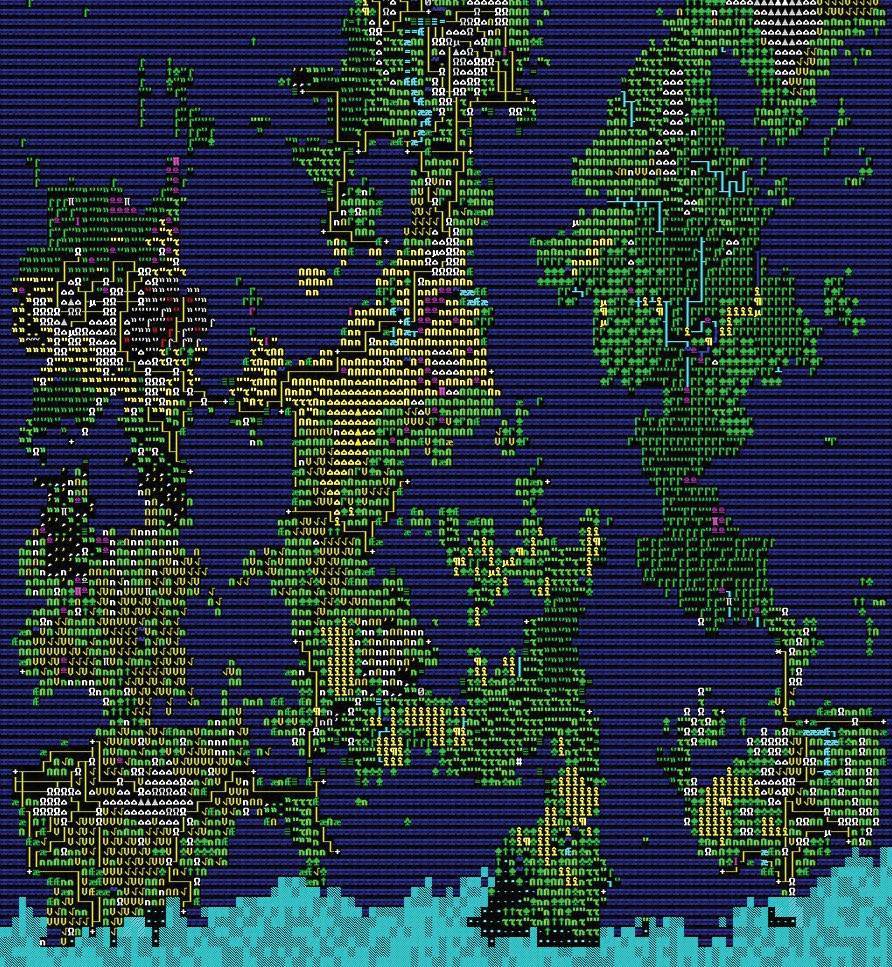
A bustling colony, where emergent stories unfold with every colonist's action.
The AI Conundrum: Giving Life to Your Colonists
The "colonists" in a colony sim are the lifeblood of the game. Their artificial intelligence determines how effectively they perform tasks, react to threats, and manage their needs. Designing AI for potentially hundreds of individual agents, each with their own priorities, skills, and quirks, presents an enormous technical and design challenge. The genre's "founding fathers" have spent decades refining AI behaviors to make their virtual inhabitants feel alive and responsive.
Key AI challenges include:
- Pathfinding: Efficiently navigating complex, player-built environments.
- Prioritization: Deciding which task is most important based on current needs, available resources, and player commands.
- Decision-Making: Reacting intelligently to dynamic situations like raids, resource shortages, or emergencies.
- Social Interactions: Simulating relationships, conflicts, and morale among colonists.
A poorly implemented AI can quickly lead to frustrating gameplay, where colonists ignore urgent tasks or get stuck in loops. Achieving a balance where the AI is competent enough to be helpful, but also imperfect enough to create interesting challenges and emergent behavior, is a constant struggle.
Consider a simplified AI decision-making process for a colonist:
This state machine only covers basic needs. Imagine extending this to include combat, crafting, social interactions, and emergencies—the complexity quickly becomes staggering.
Performance & Optimization: Scaling Your Simulation
As colonies grow, so does the computational burden. Managing hundreds or thousands of individual agents, each with their own AI, inventory, and state, alongside complex physics, resource calculations, and environmental simulations, can quickly bring even powerful hardware to its knees. Performance optimization is not an afterthought but a core concern from the earliest stages of development in colony sims. The PC Gamer article's interviews with genre veterans likely shed light on the technical ingenuity required to scale these games.
Strategies for optimization often include:
- Efficient Data Structures: Storing game state in ways that are fast to access and update.
- Multi-threading: Distributing calculations across multiple CPU cores.
- Level of Detail (LOD) & Culling: Only rendering or simulating what is visible or immediately relevant.
- Batching & Instancing: Grouping similar render calls to reduce overhead.
- AI Optimizations: Using simpler AI models for distant or less important agents, or updating AI less frequently.
The constant tension between simulation depth and performance budget is a defining characteristic of colony sim development. Developers must make smart compromises without sacrificing the core appeal of the genre.
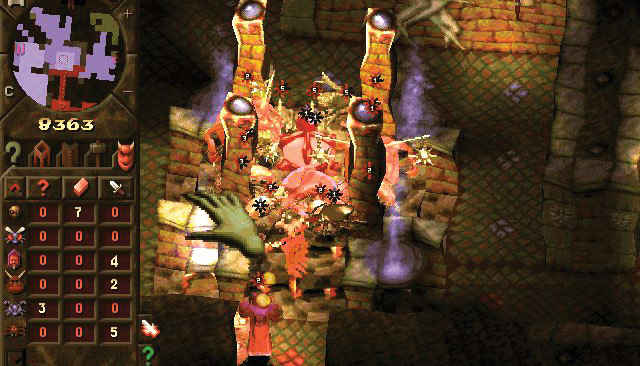
Even seemingly simple actions in a large colony can collectively strain system resources.
UI/UX: Translating Complexity into Clarity
Colony sims are inherently complex, offering players a vast array of information and control options. Presenting this complexity in an intuitive and accessible user interface (UI) and user experience (UX) is a monumental design challenge. The PC Gamer article, by examining games like Dungeon Keeper and Dwarf Fortress, touches upon titles known for both their depth and, at times, their steep learning curves. The "founding fathers" undoubtedly have strong opinions on how to guide players through intricate systems without overwhelming them.
Effective UI/UX in colony sims often involves:
- Layered Information: Providing high-level overviews alongside detailed breakdowns.
- Contextual Menus: Offering relevant actions based on what the player has selected.
- Visual Feedback: Clearly indicating the status of colonists, resources, and structures.
- Tutorials & Tooltips: Gently introducing mechanics and explaining unfamiliar concepts.
- Customizable Views: Allowing players to filter information or highlight specific data.
The goal is to empower players to make informed decisions without forcing them to constantly dig through menus or interpret cryptic symbols. A well-designed UI can transform a daunting simulation into an engaging and rewarding experience.
A well-designed UI is crucial for navigating the depths of a colony simulation.
Balancing Act: Freedom, Challenge, and Progression
Finally, balancing is an ongoing and iterative process in colony sim development. This includes balancing resource economies, difficulty curves, and the pace of progression. Players expect to be challenged, but not unfairly so. They want the freedom to build as they please, but also a sense of purpose and advancement. The insights from the genre's pioneers, as discussed in the PC Gamer piece, would emphasize that balancing is rarely a one-time task but a continuous refinement throughout development and even post-launch.
Key balancing considerations:
- Resource Scarcity vs. Abundance: Too little, and players feel starved; too much, and there's no challenge.
- Threat vs. Safety: Raids and disasters should be impactful but survivable.
- Early Game vs. Late Game: Ensuring both initial engagement and long-term replayability.
- Player Skill vs. Game Difficulty: Accommodating different player competencies.
- Progression Systems: Research, technology trees, and expanding colony capabilities must feel rewarding and meaningful.
Balancing often requires extensive playtesting, data analysis, and a deep understanding of player psychology. It's about finding the sweet spot where the game feels challenging, fair, and endlessly engaging.
Conclusion: Lessons from the Pioneers
Developing a colony simulation game is an ambitious undertaking, fraught with complex design and technical hurdles. The PC Gamer article, by engaging with the "founding fathers" of the genre, offers an invaluable look into the minds of those who first tackled these challenges. From managing an intricate web of interconnected systems and fostering emergent narratives to taming complex AI, optimizing performance, designing intuitive UIs, and meticulously balancing gameplay, each aspect demands expertise and dedication.
By studying the history and evolution of games like Dungeon Keeper and Dwarf Fortress, and by internalizing the wisdom of their creators, aspiring colony sim developers can better prepare for the journey ahead. The genre continues to evolve, but the core challenges remain—a testament to the enduring appeal and complexity of building worlds, one colonist at a time. The insights from these pioneers provide not just a historical perspective, but a timeless guide for navigating the intricate art of colony sim creation.