August 16, 2026
8 min read
Leveraging University AI Centers for Next-Gen Game Development R&D
Key Takeaways
- •The Strategic Imperative: Why University-Based AI Centers Matter
- •Core Technical Architecture of a Modern AI Technology Center
- •1. GPU Compute Clusters
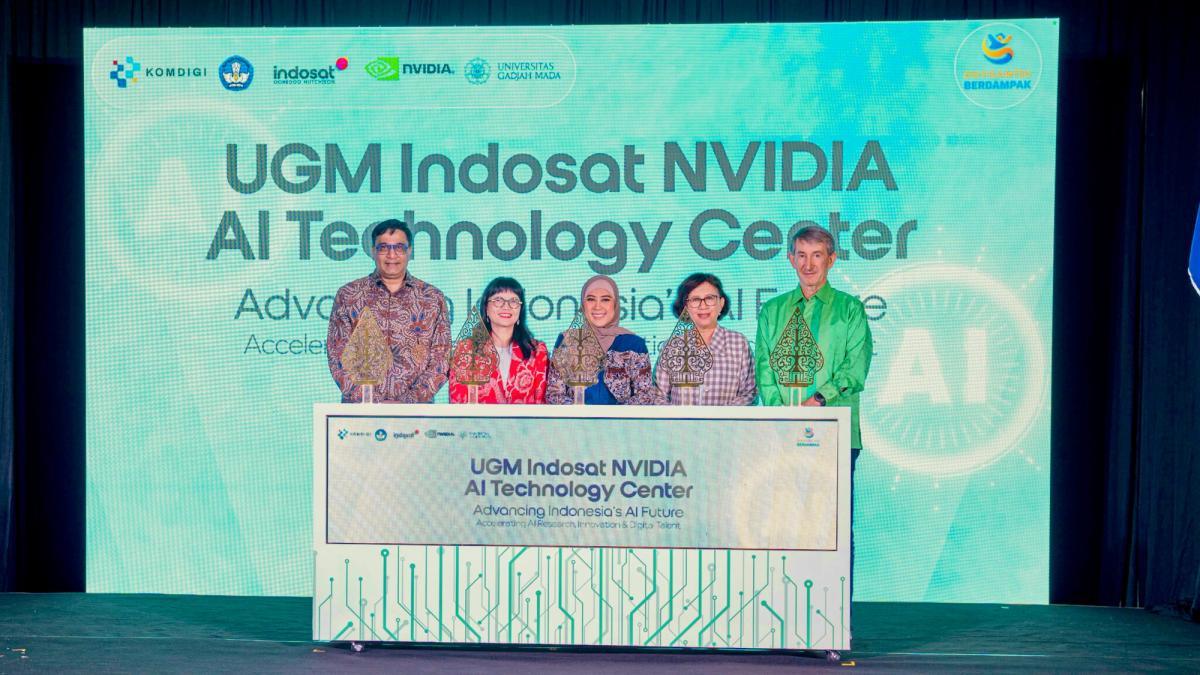
As a technical director, I've witnessed firsthand how rapid advancements in artificial intelligence are reshaping every facet of game development, from content generation to player experience. However, harnessing this power requires significant compute resources and specialized expertise. This is where the emergence of dedicated AI Technology Centers, particularly those established within academic institutions, becomes a game-changer. The recent launch of the UGM Indosat NVIDIA AI Technology Center (NVAITC) in Yogyakarta, Indonesia, serves as an excellent case study for how these regional hubs can propel next-gen game development R&D and cultivate a vital talent pipeline.
The Strategic Imperative: Why University-Based AI Centers Matter
The vision behind centers like NVAITC is clear: to build a robust, localized AI ecosystem. For the game industry, this translates into a powerful engine for innovation. Traditional game studios often face constraints in acquiring and maintaining state-of-the-art AI infrastructure and recruiting highly specialized AI engineers. University-based centers bridge this gap by providing:
1. Shared High-Performance Compute: Access to powerful GPU clusters typically beyond the reach of individual studios, especially smaller ones.
2. Specialized Research Environment: A dedicated space for academic and industry collaboration on cutting-edge AI research relevant to games.
3. Talent Incubation: A direct pathway for students to gain hands-on experience with advanced AI systems, feeding a skilled workforce directly into the industry.
4. Regional Innovation Hubs: Fostering local expertise and driving economic growth through technological advancement.
The NVAITC, established under Indonesia's AI Center of Excellence program, exemplifies this multi-faceted approach, aiming to develop local AI talent and accelerate research.
Core Technical Architecture of a Modern AI Technology Center
To understand how these centers benefit game development, we must first look at their underlying technical architecture. An NVAITC-caliber facility is not just a room full of servers; it's a meticulously designed ecosystem for AI compute.
1. GPU Compute Clusters
At the heart of any advanced AI center are GPU compute clusters. NVIDIA, being a key partner in many such initiatives, typically provides its cutting-edge GPUs. For game development R&D, these are crucial for:
- Massive Parallel Processing: Training complex deep learning models for generative AI, reinforcement learning, and neural networks.
- Real-time Inference: Testing AI models in interactive game environments.
Modern clusters would feature GPUs from the NVIDIA Hopper or even future Blackwell architectures, offering unprecedented FP64, FP32, TF32, and FP8 capabilities, essential for different stages of AI model development.
2. High-Performance Networking
Data movement is as critical as computation. AI models require vast datasets, and training these models involves constant communication between GPUs and storage.
- InfiniBand/NVLink: High-speed interconnects like NVIDIA InfiniBand or NVLink are paramount, providing low-latency, high-bandwidth communication within and between GPU nodes. This prevents bottlenecks that can cripple training times.
- Ethernet: High-speed Ethernet (e.g., 100GbE or 200GbE) is used for connecting to broader networks, data ingress/egress, and management tasks.
3. Scalable Storage Solutions
AI workloads are data-intensive. From terabytes of training data (e.g., game assets, player behavior logs, motion capture data) to model checkpoints, robust storage is non-negotiable.
- Distributed File Systems: Solutions like Lustre, GPFS (IBM Spectrum Scale), or BeeGFS provide high-throughput, parallel access to data across the cluster.
- Object Storage: S3-compatible object storage can be used for archival and large-scale dataset management.
- NVMe-oF (NVMe over Fabrics): For extremely low-latency access to data, NVMe-oF can connect flash storage directly over a network, bypassing traditional storage bottlenecks.
4. Comprehensive Software Stack
The hardware is inert without the right software. A full-stack AI platform is essential for productivity.
- CUDA Toolkit: NVIDIA's parallel computing platform and programming model is the foundation for almost all GPU-accelerated AI.
- Deep Learning Frameworks: TensorFlow, PyTorch, JAX, and MXNet are standard for developing and deploying neural networks.
- NVIDIA AI Enterprise: This software suite provides an optimized, enterprise-grade platform for AI development and deployment, including GPU-optimized containers, libraries (cuDNN, TensorRT), and management tools.
- Containerization: Docker and Kubernetes are crucial for managing complex, multi-component AI workloads, ensuring portability and scalability.
- Resource Management: Schedulers like Slurm or Kubernetes handle job orchestration and resource allocation across the cluster.
Here's a simplified architectural overview:
Applying NVAITC Resources to Game Development R&D
With such infrastructure, university AI centers can become powerful accelerators for game development innovation.
1. Generative AI for Content Creation
- Procedural Content Generation (PCG): AI can generate vast, diverse game worlds, assets (textures, models, animations), and even level layouts. This reduces manual labor and increases content variety.
- Example: Using GANs or Diffusion Models to create realistic flora, rock formations, or building textures based on small input sets.
- NPC Dialogue and Story Generation: Large Language Models (LLMs) can create dynamic, context-aware dialogue for NPCs, enriching narrative experiences and reducing scripting overhead.
- Asset Optimization: AI can automatically optimize mesh topology, texture resolutions, or animation blending for different platforms.
2. Advanced NPC AI and Player Simulation
- Sophisticated Behaviors: Reinforcement Learning (RL) can train NPCs to exhibit complex, adaptive behaviors in diverse game scenarios, making them more challenging and believable.
- Dynamic Decision-Making: Integrating LLMs with traditional AI systems can lead to NPCs that respond more intelligently and contextually to player actions.
- AI-Driven Playtesting: AI agents can simulate player behavior at scale, identifying bugs, balance issues, and exploit opportunities much faster than human testers.
3. AI-Accelerated Rendering and Optimization
- Neural Graphics: Research into neural rendering techniques can push the boundaries of visual fidelity and efficiency.
- DLSS and Upscaling: While already in commercial use, centers can research next-generation AI upscaling algorithms and their integration into various render pipelines.
- Real-time Ray Tracing: AI can assist in denoising and accelerating complex ray-traced scenes, making high-fidelity global illumination more feasible in real-time.
4. Data Analytics and Player Behavior Insights
- Predictive Analytics: AI models can analyze vast amounts of player data to predict engagement, churn rates, and monetization opportunities.
- Personalized Experiences: Dynamic difficulty adjustment, content recommendations, or adaptive tutorial systems can be developed based on individual player profiles.
- Game Telemetry Analysis: Identifying design flaws or areas for improvement by understanding how players interact with game systems at a macro level.
Fostering the Next Generation of Game AI Talent
Beyond direct R&D, a critical function of university AI centers is talent development. The NVAITC's focus on "develop local AI talent" is paramount for the long-term health of the game industry.
- Curriculum Integration: Universities can integrate practical AI and machine learning into game development curricula, ensuring students are equipped with relevant skills.
- Hands-on Project Experience: Students gain invaluable experience by working on real-world AI projects using the center's advanced infrastructure. This includes training models, deploying AI services, and optimizing performance.
- Industry Collaboration and Mentorship: Partnerships between the center, game studios, and technology providers (like NVIDIA) facilitate internships, joint research projects, and mentorship programs, creating a direct pipeline for graduates.
- Specialized Training Programs: Workshops and certifications focused on game AI, leveraging the center's resources, can upskill existing professionals or new entrants.
This approach ensures a steady stream of graduates who are not just theoretically adept but also practically experienced in deploying AI solutions for interactive entertainment.
Challenges and Future Considerations
While highly beneficial, establishing and maintaining such centers come with challenges:
- Funding and Sustainability: Securing long-term funding for hardware upgrades, operational costs, and attracting top researchers is crucial. Public-private partnerships, as seen with Indosat and NVIDIA, are key.
- Attracting and Retaining Talent: Competition for AI expertise is fierce. Centers must offer competitive research opportunities and a stimulating environment.
- Staying Current: The AI landscape evolves at an incredible pace. Centers must continuously update their hardware and software to remain at the forefront of research.
- Bridging Academic and Industry Needs: Ensuring research projects align with practical industry problems while maintaining academic rigor requires careful management and strong communication channels.
Conclusion
University-based AI Technology Centers like the NVAITC represent a significant leap forward for regional innovation and talent development. For game developers, these centers are not just abstract academic institutions; they are potential powerhouses for cutting-edge R&D, offering access to compute, expertise, and a future workforce that can unlock the next generation of interactive experiences. By strategically collaborating with such centers, game studios can leverage advanced AI to push creative boundaries, optimize development pipelines, and ultimately deliver more immersive and engaging games to players worldwide. The investment in these localized AI hubs today will pay dividends in innovation for years to come.