Integrating Multiplayer & Warlocks in RPGs: Solasta 2 Dev Lessons

Key Takeaways
- •The Challenge of Integrating Multiplayer in RPGs
- •Designing for Cooperative Play: Key Considerations
- •Introducing a New Class: The Warlock's Eldritch Design
As game developers, we're constantly seeking ways to evolve and expand our creations, breathing new life into established worlds and mechanics. The recent announcement for Solasta 2, revealing an upcoming update that introduces both multiplayer functionality and the Warlock class, offers a compelling case study for studios looking to implement significant feature additions into their existing RPGs. This guide will break down the design considerations and technical challenges involved, drawing lessons from Solasta 2's ambitious update to help you navigate similar expansions in your own projects.
The Challenge of Integrating Multiplayer in RPGs
Adding multiplayer to an RPG, especially one that began as a single-player experience, is a monumental task. It fundamentally alters the player experience, demanding robust systems for state synchronization, latency management, and cooperative design. For a turn-based tactical RPG like Solasta, the complexity can be mitigated compared to real-time action RPGs, but significant hurdles remain.
The core challenge lies in transforming a solitary journey into a shared adventure. Every decision, every combat encounter, every piece of loot needs to account for multiple players. This requires careful consideration of how player actions interact, how conflicts are resolved, and how the game world responds to a party rather than an individual.
Consider the various multiplayer integration strategies:
For Solasta 2, given its turn-based nature, the "Turn-Based Tactical RPG" path is the clear choice. This allows for a more forgiving network environment, as player actions are discrete and sequential, reducing the need for constant, real-time synchronization of every minute detail. However, even with this advantage, the design of a truly engaging cooperative experience requires meticulous planning.
Designing for Cooperative Play: Key Considerations
Successfully implementing cooperative play goes beyond just connecting players; it's about fostering a shared experience that enhances the game. For Solasta 2's update, the following design elements would have been paramount:
- Shared Progress and Loot: How will quest progression be handled? Will all players receive quest rewards, or will there be a system for distribution? For loot, common approaches include "instanced loot" (each player sees their own drops) or "free-for-all" (first to grab it wins), often with options for trading. A well-designed system minimizes friction and encourages cooperation.
- Turn Order and Action Economy: In a turn-based game, managing multiple players' actions within the combat round is crucial. Will players take turns sequentially, or will there be a system for simultaneous planning and execution? Solasta's existing combat system, based on D&D 5th Edition rules, already has a clear initiative order, which simplifies this aspect for co-op.
- Communication and Coordination Tools: Effective communication is the bedrock of cooperative play. Beyond external voice chat, in-game pings, tactical markers, or even quick chat options can significantly improve teamwork without breaking immersion.
- Difficulty Scaling: A game designed for a single protagonist and their AI companions may become too easy or too hard with real players. Dynamic difficulty scaling, adjusting enemy numbers, health, or abilities based on party size, is essential to maintain challenge and engagement.
- Persistent World State: Ensuring that the game world, including non-player characters, quest givers, and environmental elements, behaves consistently for all players is vital. This means robust serialization and deserialization of world data across the network.
Balancing the single-player and multiplayer experiences is critical. The core gameplay loop should remain enjoyable in both modes, with multiplayer offering an additive, rather than a replacement, experience. This often means designing encounters and puzzles with multiple solutions or approaches, allowing for varied party compositions and strategies.
From a network architecture perspective, options typically include peer-to-peer (P2P) or client-server models. P2P, where one player acts as the host, can be cost-effective for smaller studios and casual co-op. However, it can suffer from "host advantage" and instability if the host's connection is poor. A client-server model, using dedicated servers, offers greater stability, lower latency, and better security, but comes with significant infrastructure costs. For Solasta 2, a P2P or hybrid model for up to four players is likely, balancing performance with accessibility.
Introducing a New Class: The Warlock's Eldritch Design
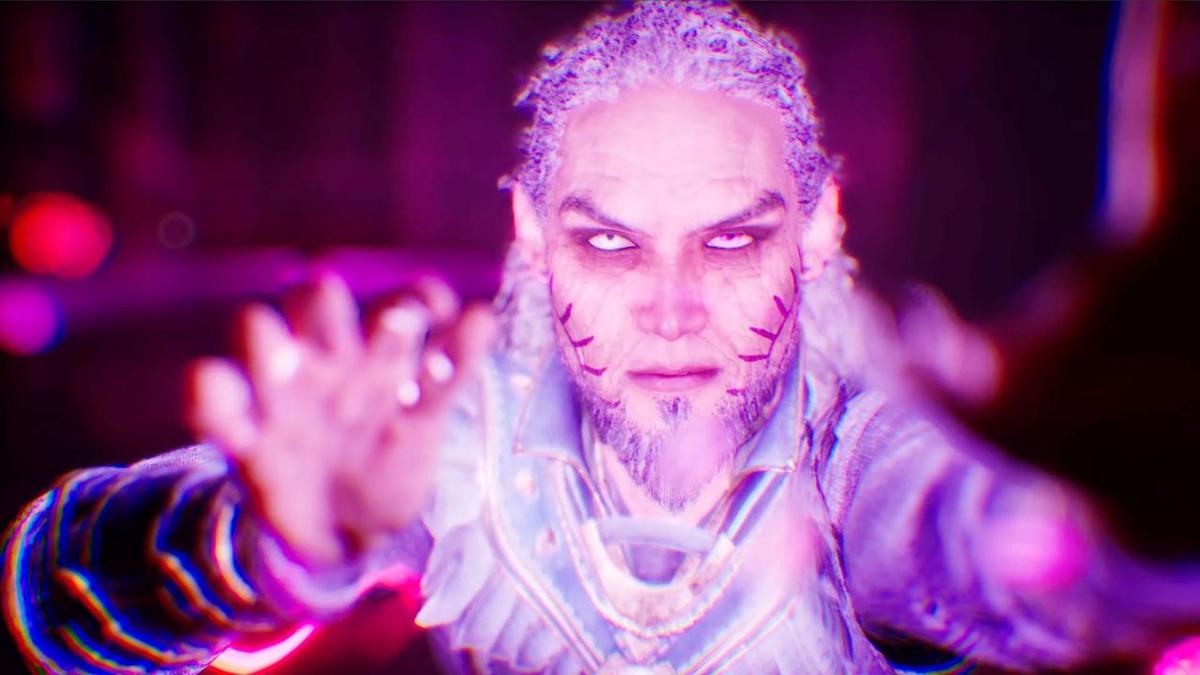
The Warlock class, a fan favorite in many fantasy RPGs, brings a distinct flavor to Solasta 2. Known for their pacts with otherworldly entities and their signature "Eldritch Blast," Warlocks offer a unique spellcasting and combat style. For developers, integrating such a class means more than just adding new abilities; it's about designing a cohesive identity that fits within the existing game's mechanics and lore.
The appeal of the Warlock lies in its unique resource management and thematic depth. Unlike traditional arcane spellcasters who rely on a large pool of low-level spells, Warlocks often have fewer, but more potent, spell slots that refresh on a short rest. This creates a distinct rhythm of play, emphasizing powerful bursts of magic followed by strategic rests. The "Eldritch Blast" cantrip, a cornerstone of the class, provides a reliable and customizable damage option, scaling with the Warlock's level and invocations.
Designing for balance is paramount when introducing a new class. The Warlock's mechanics must feel distinct but not overpower or underwhelm other classes. This involves:
- Resource Management: How do Pact Slots interact with Solasta's existing spell slot system? Ensuring clear visual feedback and intuitive usage is key.
- Unique Mechanics: Incorporating Warlock-specific features like Eldritch Invocations (customizable enhancements) and Patron choices (fiend, archfey, great old one, etc.) adds depth and replayability. Each choice should offer meaningful gameplay implications.
- Thematic Integration: Beyond mechanics, the Warlock's lore – their desperate pacts for power – should be reflected in the game's narrative, character interactions, and even environmental design. This adds flavor and makes the class feel like a natural part of the world.
Here's a simplified view of the Warlock class design elements:
The "Eldritch Blast" is a perfect example of a foundational ability that allows for significant customization through invocations, giving players agency in shaping their Warlock. Similarly, the choice of Patron should offer distinct flavor and mechanical benefits, encouraging different playstyles.
Balancing New Content with Existing Systems
Adding both multiplayer and a new class simultaneously compounds the complexity of balancing. Each new element impacts the existing game ecosystem, potentially creating unforeseen interactions or power imbalances.
- Class Synergy and Redundancy: How does the Warlock interact with existing classes like Paladins, Wizards, or Rogues? Does it fill a unique niche, or does it overlap too much, making other choices feel redundant? A well-designed class complements existing options, opening up new party compositions and strategies.
- Encounter Design Adjustments: Multiplayer necessitates a re-evaluation of encounter difficulty. With a Warlock in the mix, particularly one optimized for "eldritch blasting," enemy resistances, immunities, and tactical behaviors may need tweaking to remain challenging.
- Progression Curve: Ensuring that the Warlock's power curve feels appropriate alongside other classes throughout the game's progression is crucial. This involves careful tuning of spell and invocation unlocks, ensuring they scale effectively into the late game.
- Testing and Iteration: This is perhaps the most critical phase. Extensive internal playtesting, followed by community feedback (alpha/beta programs), will reveal balance issues, bugs, and areas for improvement. Data-driven analysis of player performance and class popularity can inform subsequent adjustments.
A modular design approach is invaluable here. If the multiplayer and Warlock systems are built with clear interfaces and minimal coupling to the core game logic, it makes future updates, bug fixes, and rebalancing efforts significantly easier.
Technical Implementation Insights
Implementing such a comprehensive update requires a robust technical foundation. Here are some key technical hurdles and solutions:
- Network Code Refactoring: If the original game was purely single-player, a complete overhaul of the game's state management and communication layer is likely necessary. This includes:
- Serialization and Deserialization: Efficiently converting game state into network packets and back, minimizing data size to reduce bandwidth.
- Latency Compensation: Techniques like client-side prediction and server reconciliation to mask network lag and provide a smoother player experience.
- Error Handling: Robust systems to deal with disconnections, packet loss, and desynchronization.
- UI Adaptation: The user interface needs significant changes to accommodate multiple players. This includes:
- Party Management: Displays for player health, status, and initiative order.
- Communication Interfaces: Chat windows, ping systems, and emote wheels.
- Loot Distribution: UI elements for managing shared or instanced loot.
- New Asset Integration: The Warlock class requires new models, animations, spell effects, sound effects, and potentially unique UI elements for its abilities. An efficient asset pipeline is crucial for managing these additions.
- Database and Save System Updates: The save game format and any underlying databases need to be updated to store multiplayer session data, Warlock-specific character data, and potentially shared world states. Backward compatibility with existing save files should be a priority where possible.
The importance of a modular game architecture cannot be overstated. Designing systems that are loosely coupled allows for the independent development and testing of features like multiplayer and new classes, reducing the risk of introducing cascading bugs across the entire game. This also facilitates easier patching and content additions in the future.
Conclusion
Integrating asynchronous class resource mechanics like the Warlock alongside synchronous multiplayer networking in tactical RPGs requires meticulous deterministic state architecture. Balancing short-rest economy versus long-rest spellcaster slots within co-op sessions ensures party equilibrium without disrupting game pacing.
By combining clear UI communication, robust peer synchronization protocols, and adaptable turn-order resolution, developers can deliver faithful tabletop-inspired multiplayer experiences that honor complex rulesets while keeping sessions brisk and engaging.
At White Cube Studios, we translate technical architecture into shipping systems across our specialized development pillars: