July 6, 2026
5 min read
Integrating Media: Design Lessons from Where Dolls Hang
Key Takeaways
- •The Power of Integrated Media in Game Design
- •Design Principles for Seamless Integration
- •Contextual Relevance
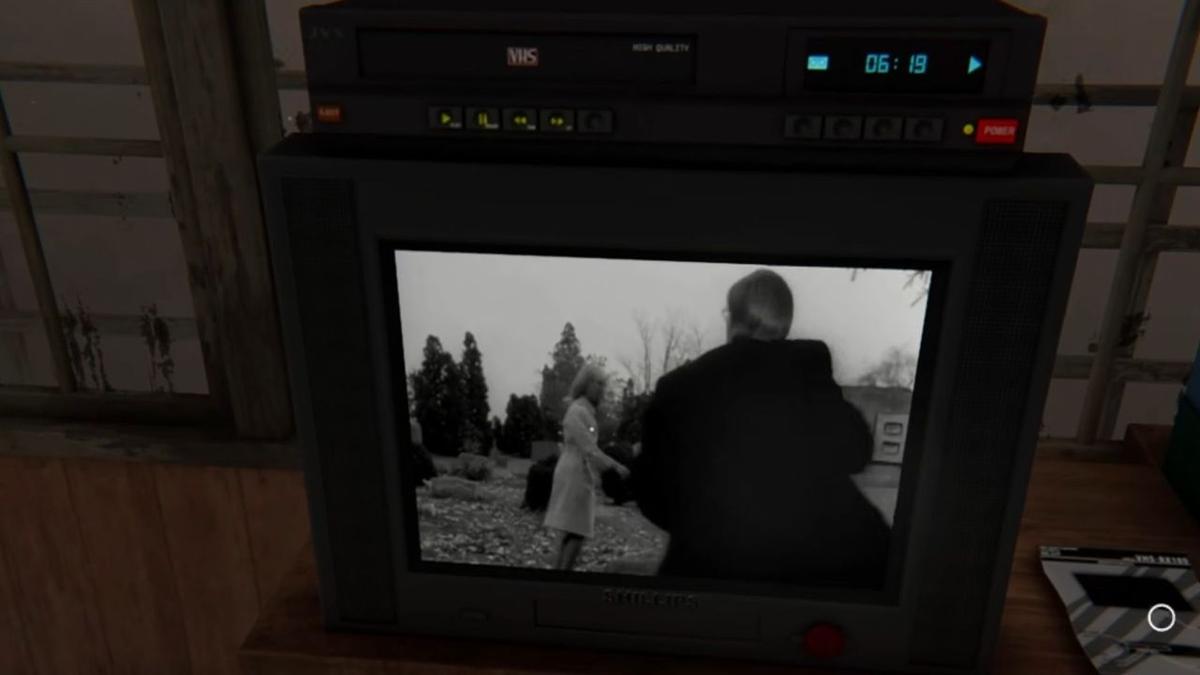
As game developers, we are constantly seeking novel ways to immerse players and push the boundaries of interactive storytelling. One fascinating approach that has recently caught attention is the innovative design showcased in `Where Dolls Hang`. This new horror title, described as a blend of `Outlast` and `Resident Evil 7` with an undeniable spooky atmosphere, introduces a unique mechanic: the ability to watch public domain horror movies, such as `Night of the Living Dead`, within the game itself.
This isn't merely an Easter egg or a background detail; it's a deliberate design choice that opens up a wealth of opportunities for narrative depth, atmospheric enhancement, and player engagement. Integrating external media, particularly classic films, directly into a game's world creates a meta-narrative layer that few titles explore. This guide will deconstruct the design principles behind such an integration, drawing lessons from `Where Dolls Hang` to inspire developers looking to innovate their own projects.
The Power of Integrated Media in Game Design
The concept of embedding external media directly into a game world is powerful because it blurs the lines between reality and fiction, and between passive consumption and active participation. When players encounter a classic horror film playing on a flickering television screen within a desolate, doll-infested environment, it does more than just provide a visual distraction. It can serve multiple design functions:
- Enhancing Atmosphere: The thematic overlap between the in-game horror and the embedded film can amplify the overall sense of dread. A scene from `Night of the Living Dead` depicting societal breakdown and relentless threats can mirror the player's own struggle for survival, creating a deeper, more resonant fear.
- Narrative Layering: Films can act as contextual clues, foreshadowing events, or even providing direct commentary on the game's lore. They can be fragments of a larger story, hinting at the world's history or the protagonist's psychological state.
- Pacing and Breather Moments: In intense horror games, brief moments of passive observation can offer a psychological reprieve, a chance for players to process tension before the next scare. However, even these 'breathers' can be imbued with unsettling content, keeping the player on edge.
- Player Agency and Discovery: The act of finding and choosing to watch these films can become a mini-game in itself, rewarding exploration and curious players with unique content. This imbues the media with a sense of discovery, making it more impactful than simply watching a cutscene.
Design Principles for Seamless Integration
Successfully integrating external media requires careful consideration to ensure it enhances, rather than detracts from, the core gameplay experience. Here are key design principles:
Contextual Relevance
The chosen media must resonate with the game's themes, setting, and narrative. For `Where Dolls Hang`, public domain horror films are a perfect fit for a creepy, spooky doll-themed horror game. The subject matter directly reinforces the genre and tone. Imagine the dissonance if the game featured a romantic comedy instead; it would break immersion. Developers should ask: How does this external content enrich the narrative or psychological impact of my game? Is there a logical in-world reason for its presence?
Pacing and Player Agency
\The timing and manner of media presentation are crucial. Forcing players to watch a lengthy film segment might disrupt gameplay flow and lead to frustration. Instead, `Where Dolls Hang` likely presents these films as optional discoveries. Players can choose to engage fully, watch for a few moments, or ignore them entirely. This agency is vital. Consider how players can interact with the media:
- Optional Engagement: The player decides when and if to view the content.
- Interactive Elements: Can the player fast-forward, rewind, or pause? Are there in-game puzzles tied to specific scenes in the film?
- Environmental Integration: Is the media playing on an old TV, a projector, or a radio? How does the environment react to its presence?
Technical Implementation Considerations
While the specific technical details of `Where Dolls Hang` are not public, general considerations for integrating video content include optimizing playback for various hardware configurations, ensuring seamless transitions, and managing file sizes. Utilizing public domain content simplifies licensing, but developers must still ensure the assets are integrated efficiently without causing performance bottlenecks. The goal is a smooth, immersive experience, not a jarring interruption.
Enhancing Horror and Atmosphere
`Where Dolls Hang` leverages the inherent creepiness of dolls and combines it with the psychological horror of classic films. The juxtaposition of a familiar, comforting medium (a movie) within an unfamiliar, terrifying environment creates a powerful sense of unease. The `Night of the Living Dead` reference is particularly astute; its grainy, black-and-white aesthetic and slow-burn dread perfectly complement a game aiming for a