August 12, 2026
7 min read
Integrating Martial Arts Expertise: Donnie Yen & Phantom Blade Zero
Key Takeaways
- •The Indispensable Value of Real-World Expertise
- •Beyond Basic Animation: Crafting Intentional Combat
- •Translating Martial Arts to Game Mechanics
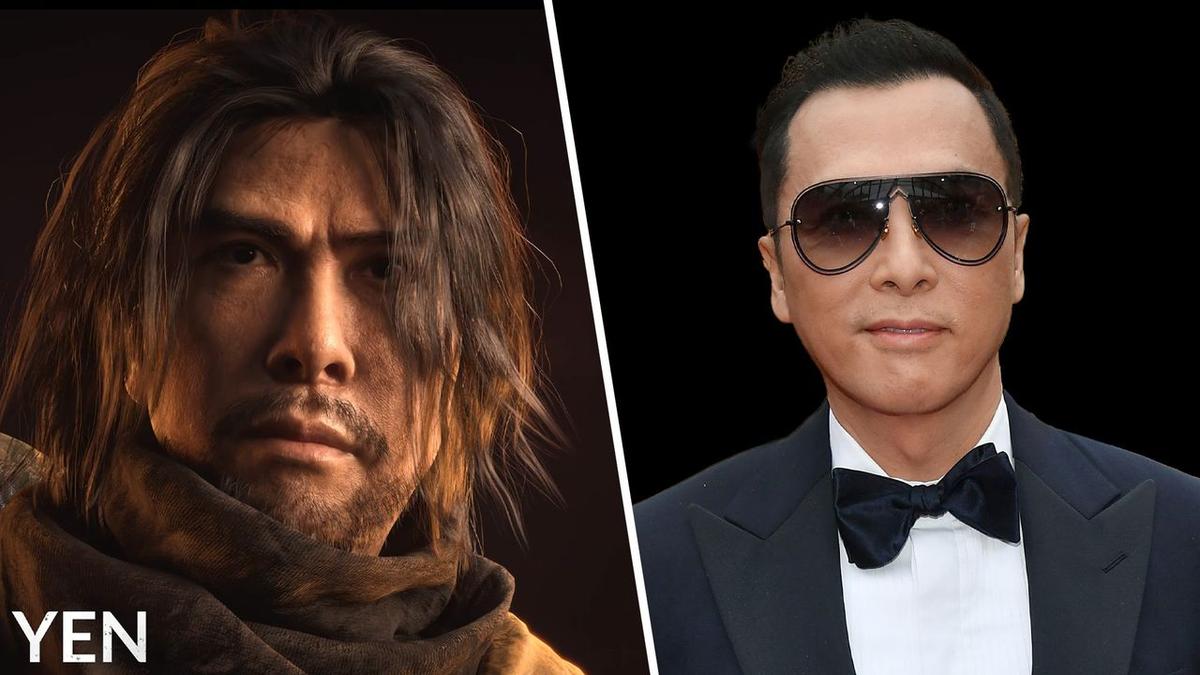
As game developers, we constantly strive to push the boundaries of realism and immersion, especially in action-oriented titles. When it comes to combat, achieving a sense of weight, flow, and authenticity can be incredibly challenging. This is precisely why the recent revelation about Hong Kong legend Donnie Yen guiding the "kungfupunk" stunts for Phantom Blade Zero is such a significant announcement for the industry. His involvement, dating back to 2023, brings over 40 years of unparalleled martial arts experience directly into the game's core design.
This guide will break down the profound impact such high-level, real-world expertise can have on game development, offering insights into how developers can integrate specialized knowledge to elevate their projects. We'll explore the design principles at play and the potential benefits for player experience.
The Indispensable Value of Real-World Expertise
In a genre like "kungfupunk," authenticity isn't just a bonus; it's a foundational pillar. While motion capture technology has advanced significantly, capturing raw movements is only one part of the equation. Understanding the why behind each movement—the intention, the technique, the power generation—requires deep, embodied knowledge. This is where a master like Donnie Yen becomes invaluable.
His 40+ years in martial arts cinema and practice mean he possesses an intuitive grasp of combat flow, impact, and visual storytelling through movement. He doesn't just perform stunts; he choreographs them, understands their psychological impact, and knows how to make them resonate with an audience. Translating this depth from the silver screen to interactive gameplay is a complex design challenge that benefits immensely from direct, hands-on guidance.
Beyond Basic Animation: Crafting Intentional Combat
Many games suffer from combat that feels generic or "floaty" despite high-fidelity animations. This often stems from a lack of understanding of real-world physics and martial arts principles. Donnie Yen's involvement likely means:
- Authentic Stance and Posture: Ensuring characters adopt believable combat-ready positions that convey readiness and power.
- Realistic Weight Distribution: Guiding animators and designers on how character weight shifts during attacks, dodges, and parries, impacting both visual fidelity and player feedback.
- Impact and Follow-Through: Detailing how force is generated and absorbed, leading to more satisfying hit reactions and a stronger sense of connection between player input and on-screen action.
- Flow and Transitions: Choreographing seamless transitions between attacks, blocks, and movement, creating a fluid combat rhythm that is both challenging and rewarding.
This level of detail moves beyond mere visual polish; it fundamentally informs the game's mechanics, player controls, and overall combat feel.
Translating Martial Arts to Game Mechanics
How does decades of martial arts experience translate into tangible game mechanics? It's a multi-faceted process that impacts animation, combat systems, and even sound design.
Animation and Motion Capture Refinement
While motion capture provides a baseline, a martial arts expert refines it. Yen's guidance would involve:
- Pre-visualization: Advising on combat sequences before capture, ensuring they are technically sound and visually dynamic.
- Performance Coaching: Directing mo-cap actors to execute movements with the correct intent, power, and form.
- Post-capture Review: Analyzing captured data for authenticity, identifying areas where game physics or animations might deviate from realistic martial arts principles, and suggesting adjustments.
This iterative process ensures that the raw data is imbued with the nuanced understanding of a master.
Combat System Design Influence
Yen's expertise can directly influence the design of the combat system itself. Consider:
- Attack Chains and Combos: Designing combos that reflect natural martial arts progressions, rather than arbitrary button sequences.
- Parry and Counter Systems: Informing the timing, visual cues, and effective ranges for defensive maneuvers, making them feel responsive and authentic.
- Weapon Handling: Guiding the feel and usage of various "kungfupunk" weapons, ensuring they are wielded with believable technique and impact.
- Enemy AI: Providing insights into how a real martial artist would react to different attacks, informing enemy behaviors and counter-strategies.
This ensures that the combat system isn't just "fun," but also grounded in a coherent, authentic logic.
Here's a simplified workflow of how expert guidance integrates into game development:
Design Principles for Authentic Combat Development
For any developer looking to inject realism into their action games, the Phantom Blade Zero approach offers valuable lessons.
1. Collaborate Early and Deeply
Bringing in an expert late in development primarily for "polish" misses the point. Donnie Yen's involvement since 2023 suggests deep integration. This allows his insights to shape the foundational combat mechanics and design philosophy, not just the superficial aesthetics.
2. Balance Realism with Gameplay
While authenticity is key, games must also be fun and playable. A real martial arts fight can be over in seconds, which doesn't always translate well to engaging gameplay. The challenge is to:
- Exaggerate for Impact: Sometimes, realism needs a slight boost in visual or auditory feedback to convey impact effectively in a game.
- Simplify for Control: Complex real-world maneuvers might need to be streamlined for intuitive player controls.
- Pace for Engagement: Design combat encounters that have clear rhythms, build-ups, and climaxes, even if real fights are more chaotic.
The expert's role here is to guide where these compromises can be made without sacrificing the essence of the martial art.
3. Iterative Feedback Loops
Game development is iterative, and so should be the integration of expert advice. Regular feedback sessions with the martial arts expert are crucial:
- Reviewing Prototypes: Getting early feedback on combat prototypes and character movement.
- Analyzing Playtest Data: Discussing how player experience aligns with the intended martial arts feel.
- Addressing Technical Limitations: Collaborating to find creative solutions when game engine limitations prevent a perfectly realistic execution.
This continuous dialogue ensures that the vision remains consistent from concept to final product.
Here's how martial arts elements break down into game design components:
Impact on Player Experience
Ultimately, all these development efforts converge on the player. What does Donnie Yen's guidance mean for someone picking up Phantom Blade Zero?
- Enhanced Immersion: Players will experience a level of detail and authenticity in combat rarely seen, making them feel more connected to their character's actions.
- Satisfying Feedback: Every punch, kick, parry, and dodge will carry a believable weight and consequence, leading to deeply satisfying moment-to-moment gameplay.
- Strategic Depth: Combat encounters will likely require more than just mashing buttons; players will need to understand timing, spacing, and the "language" of martial arts to succeed.
- Visual Spectacle: The "kungfupunk" aesthetic will be amplified by combat that looks and feels genuinely spectacular, benefiting from Yen's cinematic choreography background.
This isn't just about making a game look good; it's about making it feel right, from the subtle shift of a character's weight to the explosive impact of a finishing move. The involvement of a true master like Donnie Yen promises to elevate Phantom Blade Zero from a good action game to a benchmark for authentic martial arts combat.
Conclusion
The collaboration between game developers and real-world experts, as exemplified by Donnie Yen's role in Phantom Blade Zero, highlights a crucial pathway for innovation in game design. By leveraging decades of specialized knowledge, developers can imbue their games with an unparalleled level of authenticity and depth. This approach moves beyond purely technical execution, focusing on the nuanced "feel" and strategic underpinnings that make combat truly engaging. For aspiring developers and studios, the lesson is clear: don't just simulate reality; understand and integrate its true masters. This fusion of digital artistry and genuine expertise is how we craft the next generation of truly immersive and impactful gaming experiences.