July 28, 2026
7 min read
Indie Gold: How Crashphalt's Undertale Mod Ignited 1700% Player Growth

Key Takeaways
- •The Unforeseen Surge: A Developer's "Wtf is Going On" Moment
- •Deconstructing the Modding Magic: How Crashphalt Became an Undertale Hub
- •The Ripple Effect: Player Activity and Community Feedback
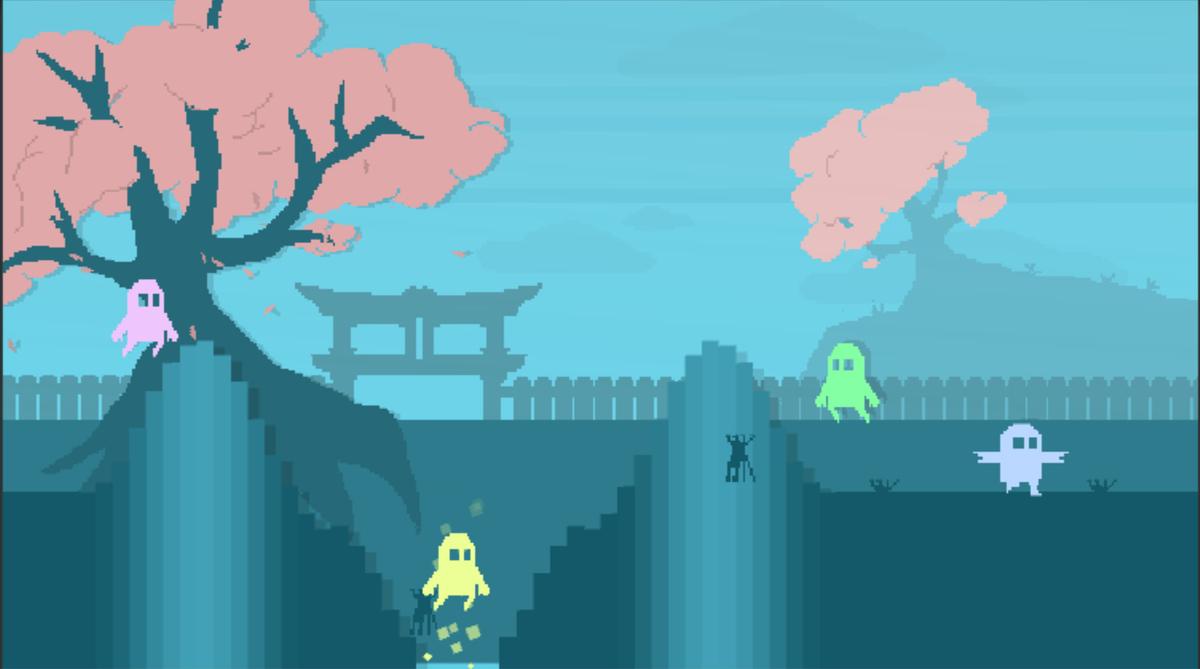
As game developers, we often dream of our creations finding a massive audience, perhaps even achieving viral status. But what if that virality comes from an entirely unexpected source, repurposing your game in a way you never intended? This is precisely the fascinating scenario that recently unfolded with Crashphalt, a little-known indie platformer on Steam. Its developer, after noticing an inexplicable 1700% jump in player activity, discovered their neglected game was secretly powering an Undertale multiplayer mod. This incident offers invaluable lessons for every developer on community innovation, unexpected longevity, and the power of player-driven content.
The Unforeseen Surge: A Developer's "Wtf is Going On" Moment
Imagine logging into your Steam backend and seeing player numbers for a game you considered long past its prime suddenly skyrocket by 1700%. This was the reality for the indie developer behind Crashphalt. The initial reaction, as one might expect, was a bewildered "Wtf is going on." Such a dramatic, unprompted surge is almost unheard of for a game that hasn't received significant updates or marketing pushes. It signals a powerful external force at play, often driven by community engagement or a sudden, unexpected trend.
This phenomenon highlights a critical aspect of game development: the life of a game doesn't always end with its launch or when developer support wanes. The community itself can breathe new life into it, sometimes in the most astonishing ways. For Crashphalt, a game described as a "little-known platformer," this resurgence was not due to a new patch or a sale, but rather an ingenious act of player-driven repurposing.
Deconstructing the Modding Magic: How Crashphalt Became an Undertale Hub
The mystery of Crashphalt's sudden popularity was soon solved: it was being used as the backbone for an Undertale multiplayer mod. This isn't a simple overlay or a cosmetic change; it implies a deeper technical integration where Crashphalt's underlying engine, networking capabilities, or other systems are being leveraged by the mod. The article doesn't go into the specifics of how this integration works, but the very fact that it does work is a testament to the ingenuity of the modding community.
This kind of repurposing suggests that Crashphalt possessed certain latent qualities that made it suitable for such an endeavor. Perhaps it had an accessible file structure, a robust (even if unintended) networking foundation, or simply a minimalist design that made it easy to overlay new assets and logic. The mod allows Undertale fans to experience their beloved game in a multiplayer context, a feature not natively present in the original. By doing so, it created a demand for Crashphalt, turning a forgotten title into an essential utility for a thriving fan community.
This dynamic illustrates how a game's technical architecture, even if not explicitly designed for modding, can become a fertile ground for innovation. Developers should always consider the potential for their game's components to be repurposed, as it can lead to unexpected community growth and extended relevance.
The Ripple Effect: Player Activity and Community Feedback
The immediate and most obvious impact of the Undertale multiplayer mod was the staggering 1700% increase in Crashphalt's player activity. This isn't just a vanity metric; it translates directly into renewed visibility on Steam, potential new sales from players needing the base game to run the mod, and a significant boost to the developer's profile.
From a design perspective, this creates a unique feedback loop:
1. Original Game State: A "neglected" indie platformer with low player count.
2. Community Innovation: Modders identify a technical suitability in Crashphalt to create an Undertale multiplayer experience.
3. Mod Development & Release: The Undertale mod is built and shared, requiring Crashphalt to function.
4. Player Adoption: Undertale fans purchase/download Crashphalt to play the mod.
5. Activity Surge: Crashphalt's player count explodes, bringing it back into the spotlight.
6. Developer Awareness: The original developer discovers this unexpected use, potentially leading to new engagement with their community.
This sequence of events can be visualized as follows:
The "Wtf is going on" moment quickly transitions into an opportunity. The developer now has a chance to engage with this new, invigorated player base, understand their needs, and perhaps even collaborate with the modding community.
Implications for Developers: Lessons from Crashphalt's Unexpected Goldmine
The Crashphalt story offers several crucial takeaways for game developers, especially those in the indie space:
1. Embrace Openness and Modding Culture
While Crashphalt's repurposing might have been accidental, it underscores the power of a mod-friendly environment. Even if you don't explicitly support modding, designing your game with some level of data accessibility or a clear, stable API (even if internal) can enable communities to extend its life in unforeseen ways.
- Benefits: Increased longevity, community loyalty, free content generation, unexpected marketing.
- Considerations: Potential for exploits, maintaining stability, intellectual property concerns (though in this case, it's a positive).
2. Monitor Your Game's Ecosystem
Even for "neglected" titles, keeping an eye on player activity, forums, and community hubs can yield surprising discoveries. Early detection of such trends allows developers to respond proactively, whether to support the community, address issues, or simply capitalize on the newfound attention. The developer's initial confusion highlights a gap that could be filled by better community monitoring tools.
3. Unexpected Revenue and Visibility
A 1700% jump in player activity translates to direct visibility on Steam's trending charts and potentially new sales. Players who want to experience the Undertale mod now have a reason to purchase Crashphalt. This organic marketing is invaluable, especially for indie developers with limited budgets. It's a reminder that even your older, less successful titles can become valuable assets through community innovation.
4. Technical Resilience and Adaptability
The fact that Crashphalt could be repurposed speaks to a certain technical robustness. A game with a fragile codebase or overly complex dependencies might not have lent itself to such a mod. While not every game needs to be a modding sandbox, striving for clean, modular code can inadvertently pave the way for community-driven extensions.
5. The Value of Niche Communities
The Undertale community is passionate and dedicated. Tapping into such a niche, even indirectly, can create powerful cross-pollination. This isn't just about Undertale; it's about understanding that every game has an audience, and sometimes those audiences converge in unexpected, symbiotic ways.
The Future of Game Repurposing
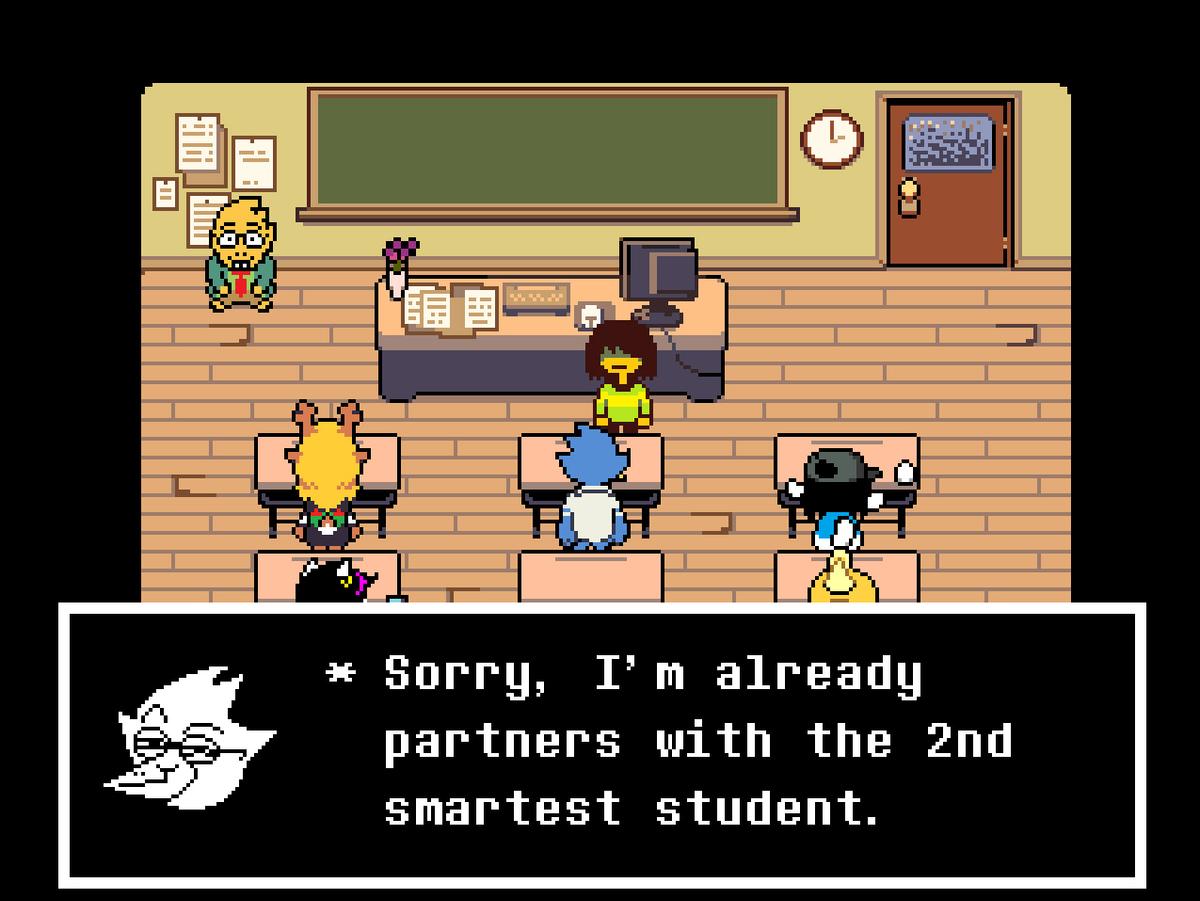
The Crashphalt and Undertale mod saga isn't an isolated incident, but rather a vivid illustration of a broader trend in gaming: the increasing power of players to shape, extend, and even redefine games. As game development tools become more accessible and modding communities grow more sophisticated, we may see more instances of games being creatively repurposed.
This trend challenges traditional notions of game ownership and developer control, pushing us to consider a future where games are not just products but platforms for ongoing, community-driven creation. For developers, this means shifting from a mindset of absolute control to one of collaborative potential. It's about recognizing that sometimes, the most innovative uses of your game will come from outside your studio walls.
Conclusion
The story of Crashphalt and its unexpected role in the Undertale multiplayer mod is a compelling narrative for any game developer. It's a reminder that even a "neglected" indie title can find a new lease on life through the sheer creativity and technical prowess of its player base. By understanding and embracing the potential for community-driven innovation, developers can unlock unforeseen longevity, visibility, and even revenue for their games. The "Wtf is going on" moment can transform into a "Wow, what an opportunity" if developers are prepared to listen, learn, and engage with the incredible power of their communities.