August 20, 2026
6 min read
Horizon's Live-Service Pivot: A Dev's Take on Player Feedback
Key Takeaways
- •The Horizon Live-Service Ambition and Its Reported Retreat
- •The Double-Edged Sword of Live Service
- •Why Live Service Entices:
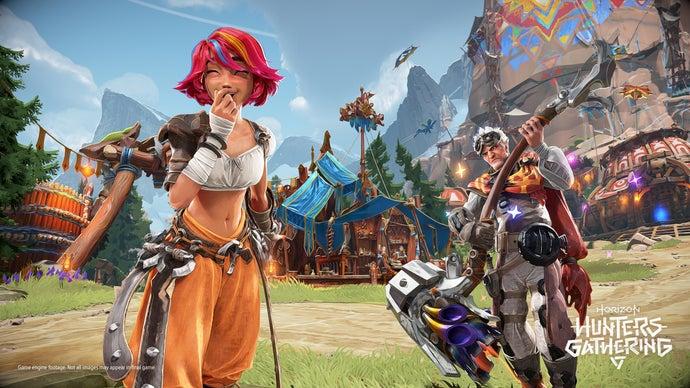
As game developers, we’re constantly chasing that sweet spot between innovative design, technical prowess, and player satisfaction. It’s a delicate balance, and sometimes, even the biggest studios with the most anticipated IPs have to make tough calls. The recent reports surrounding Guerrilla Games' *Horizon Hunters Gathering*—specifically, the decision to reportedly strip out its live-service components due to negative player feedback—offer a powerful case study for us all.
This isn't just about one game; it's a mirror reflecting the broader challenges and evolving expectations within our industry, especially concerning the much-debated live-service model.
The Horizon Live-Service Ambition and Its Reported Retreat
According to reports from PC Gamer, GamesIndustry.biz, and Game Developer, PlayStation-owned Guerrilla Games is overhauling its upcoming Horizon Hunters Gathering. The core of this overhaul? Removing the live-service features that were initially planned. This pivot reportedly stems directly from "negative player feedback" received during early testing phases, as highlighted by Bloomberg's Jason Schreier. The spinoff has apparently been undergoing this rework since June.
This news sends a clear message: even a beloved franchise like Horizon, backed by PlayStation, isn't immune to the realities of player reception when venturing into new territory.
Let's visualize the reported development journey:
The Double-Edged Sword of Live Service
The allure of live-service games is undeniable for publishers and developers alike. The promise of sustained engagement, recurring revenue, and a constantly evolving player community can be incredibly attractive. However, as many studios have learned—often the hard way—it's also a high-risk, high-reward endeavor.
Why Live Service Entices:
- Extended Player Lifetime: Keep players engaged for months or years.
- Monetization Opportunities: Battle passes, cosmetics, expansions.
- Community Building: A shared, evolving experience fosters a strong player base.
- Agile Development: Continuous updates allow for rapid iteration and content drops.
The Pitfalls & Player Fatigue:
- Content Treadmill: The relentless demand for new content can burn out development teams.
- Feature Creep: Adding too many systems can dilute the core experience.
- Monetization Backlash: Aggressive or poorly implemented monetization can alienate players.
- Player Expectation: Gamers are increasingly discerning about what makes a good live-service game, especially with so many options available. They expect deep progression, fair monetization, and consistent quality.
- "Shoehorning" Syndrome: Trying to force a live-service model onto an IP that doesn't naturally fit can feel artificial and unwelcome.
In the case of Horizon Hunters Gathering, it's plausible that players felt the live-service elements detracted from the core, narrative-driven, single-player experience that the Horizon franchise is known for. Players often have strong expectations for established IPs, and a genre shift, especially one as demanding as live service, needs to be executed flawlessly.
The Unignorable Voice of the Playerbase
This reported pivot underscores the immense power and importance of player feedback, particularly during early testing phases. For developers, this isn't just about bug reports; it's about validating core design choices and understanding if the game resonates with its intended audience.
- Alpha and Beta Tests are Gold: These aren't just marketing opportunities; they are critical data-gathering phases. Real players interacting with your systems reveal truths that internal testing often misses.
- Early Course Correction: Making a major strategic shift like this before launch, while costly, is almost always less damaging than launching a game that fails to connect with its audience. The reputational and financial fallout of a poorly received live-service launch can be devastating.
- Trust and Transparency: While the details here are reported leaks, the act of listening and responding to player sentiment, even if it means a significant pivot, can ultimately build long-term trust with the community.
Agile Development: A Necessity, Not a Luxury
The fact that Guerrilla Games has reportedly been reworking the game since June speaks to the agile nature of modern game development. Pivoting on such a fundamental aspect of a game's design is no small feat. It involves:
- Re-scoping: Redefining features, content, and the overall player journey.
- Resource Reallocation: Shifting developers, artists, and designers to new tasks.
- Technical Challenges: Untangling deeply integrated live-service systems without breaking the core game.
- Financial Impact: These changes come with significant costs, both in terms of development hours and potentially lost future revenue from the original live-service model.
However, the alternative—pushing forward with a design that players have already rejected—can be far more damaging. It highlights that flexibility and a willingness to adapt are crucial traits for any modern game studio, especially those operating with large budgets and high expectations.
Lessons for All Developers
What can we, as fellow game developers, take away from this reported situation?
1. Understand Your IP's Core Identity: If you're building on an existing franchise, respect what players love about it. New genres or models must enhance, not dilute, that core.
2. Validate Early, Validate Often: Don't wait until launch to get real player feedback on fundamental design decisions, especially for ambitious new features.
3. Be Prepared to Pivot: Development is iterative. Sometimes, the data (or player sentiment) tells you to change course. Having the organizational agility and mental fortitude to do so is vital.
4. Live Service Isn't a Universal Solution: It's a design philosophy, not a guaranteed revenue stream. It needs to genuinely fit the game and its audience. Not every game needs to be a live service.
5. Cost of Change vs. Cost of Failure: While pivoting is expensive, launching a game that disappoints its audience can be exponentially more costly in the long run, impacting brand loyalty and future sales.
The reported decision by Guerrilla Games is a stark reminder that in the ever-evolving landscape of game development, the player's voice remains paramount. It’s a testament to the idea that sometimes, stepping back from an ambitious but ill-fitting feature can be the best way forward for a game and its legacy. It’s a bold move, and one that many in the industry will be watching closely.