August 28, 2026
8 min read
GTA 6: A Developer's Look at Systemic Immersion and Player Choice

Key Takeaways
- •The Living, Breathing World: Enhanced NPC AI and Environmental Reactivity
- •Developer Insight: Designing for Emergent Narrative
- •Evolving Criminality: Wanted Levels & Complex Car Theft
As game developers, we're often caught between the hype cycle of massive AAA releases and the intricate realities of making games. When a title like Grand Theft Auto 6 drops an extended gameplay reveal, it's not just a spectacle for players; it's a masterclass in systemic design and world-building for us. The recent 26-minute "Extended Look" on Netflix, followed by a torrent of developer previews, has peeled back the curtain on how Rockstar is pushing the boundaries of player immersion and emergent gameplay.
This isn't just about a bigger map or better graphics – though those are undoubtedly there. It's about the depth of interaction, the reactivity of the world, and the subtle ways player choices now ripple through Vice City. Let's break down some of the most impactful systemic features revealed and what they mean for the future of open-world development.
The Living, Breathing World: Enhanced NPC AI and Environmental Reactivity
One of the most striking takeaways from the GTA 6 previews is the significant leap in NPC intelligence and environmental awareness. In previous GTA titles, you could often perform egregious acts in plain sight with minimal, predictable consequences. That's changing.
According to GameSpot, GTA 6's NPCs are now "considerably more perceptive." This means that simply carrying a weapon in public will attract attention, potentially leading to police involvement. This seemingly small detail has massive implications for gameplay. No longer can players casually stroll down a busy street with a rocket launcher strapped to their back without repercussions. It forces a more tactical approach, blurring the lines between open-world freedom and realistic consequence.
IGN India further elaborated on the expanded wanted system, stating that it's no longer just about avoiding line-of-sight. The police now "take into account CCTV footage as well as witness phone calls to close in on you." This introduces a multi-layered pursuit dynamic that feels genuinely next-gen. Imagine a scenario where you pull off a heist, escape the immediate police presence, but then have to deal with witnesses on their phones, or actively avoid areas with surveillance cameras because your image might have been captured. This moves the "wanted" mechanic from a simple numerical rating to a complex cat-and-mouse game, demanding players to think about their digital footprint and disguise.
Developer Insight: Designing for Emergent Narrative
This level of NPC and environmental reactivity isn't just about difficulty; it's about fostering emergent narratives. When every action has a more realistic and dynamic consequence, players are more likely to create unique, memorable stories. It pushes us as developers to build robust underlying systems that can respond to an almost infinite combination of player actions, rather than relying on scripted events. This is the holy grail of open-world design, and Rockstar seems to be taking significant strides towards it.
Evolving Criminality: Wanted Levels & Complex Car Theft
The wanted system isn't just about getting caught; it's about how you evade capture. IGN India's preview details how "Individual items of clothing are now taken into account, alongside the vehicle you’re driving, the severity of the crime, and even the company you keep." This adds incredible depth to the six-star wanted level, making it a truly granular system. Changing clothes, swapping vehicles, or even ditching your partner could become vital evasion tactics.
Beyond evasion, the act of acquiring vehicles has also seen a significant overhaul. GameSpot reported that stealing cars in GTA 6 is now "more complicated than you expected," moving beyond the simple "smash-and-grab" of previous titles.
Car Theft Mechanics in GTA 6: A Workflow Breakdown
Here's a simplified look at the decision-making process for car theft, as described in the previews:
For older cars, players can still smash a window, but a "quieter approach" involves a slim jim minigame. Successfully completing this allows you to hotwire the car. Newer vehicles, however, require hacking the security system. This tiered approach to vehicle acquisition not only adds realism but introduces mini-challenges that break up the gameplay loop and demand player skill beyond just driving. It also reinforces the idea that the world is evolving technologically, and so must its criminals.
Beyond the Heist: RPG Stats and Relationship Dynamics
Rockstar is also bringing back deeper character progression that impacts gameplay, reminiscent of Grand Theft Auto: San Andreas. IGN India confirms the return of RPG stats where players can take Jason and Lucia to the gym to "work on their lats and six-packs." Crucially, you can also "overeat to make them fat, which might not be great for out." This suggests that physical attributes will directly affect gameplay, such as stamina, combat effectiveness, or even how NPCs react to your character's appearance. It's a subtle but powerful way to tie player actions to character development and world interaction.
Central to GTA 6's narrative is the relationship between protagonists Jason and Lucia. IGN India highlights that their relationship is "central to the narrative," but engaging with its mechanics appears to be "optional in every way that matters." Players can engage in activities like "shopping, holding hands, texting one another, playing pool, or even kayaking." These interactions "have a positive impact on their relationship." This is a fascinating design choice. It allows players to deepen the bond between the characters through organic, player-driven activities, rather than forced cutscenes or dialogue options. It's emergent storytelling applied to character relationships.
Rockstar's Satirical Lens: Modernity Without Dating
One of GTA's hallmarks is its sharp, often biting, satire of American culture. Kotaku and Polygon both reported on Rockstar's deliberate approach to this in GTA 6: they will "avoid dated references like Trump and the pandemic," and "very specific political issues or memes will date us." Instead, Rockstar aims for broader cultural commentary that remains relevant over time.
This is a critical design philosophy for a game with a development cycle spanning many years and an intended lifespan of over a decade. By focusing on evergreen aspects of modern society rather than fleeting trends, Rockstar ensures its satire remains impactful and doesn't alienate future players. It's a lesson in long-term artistic vision for any developer tackling contemporary themes.
Scale Meets Detail: A Truly Massive World
While I'm focusing on systems, it's impossible to ignore the sheer scale that these systems inhabit. The main story alone reportedly took a Rockstar dev 80 hours to beat (Polygon), and the map is said to be three times as large as Red Dead Redemption 2's playable area (GamingBible). This vastness is not just empty space; it's filled with over 600,000 animations (GamingBible), indicating an unparalleled level of detail and fidelity in character and environmental interaction. The dynamic driving, track racing, and other intricate details spotted in the extended look (GamingBible, PC Gamer) all contribute to a world that isn't just big, but deeply interactive and alive.
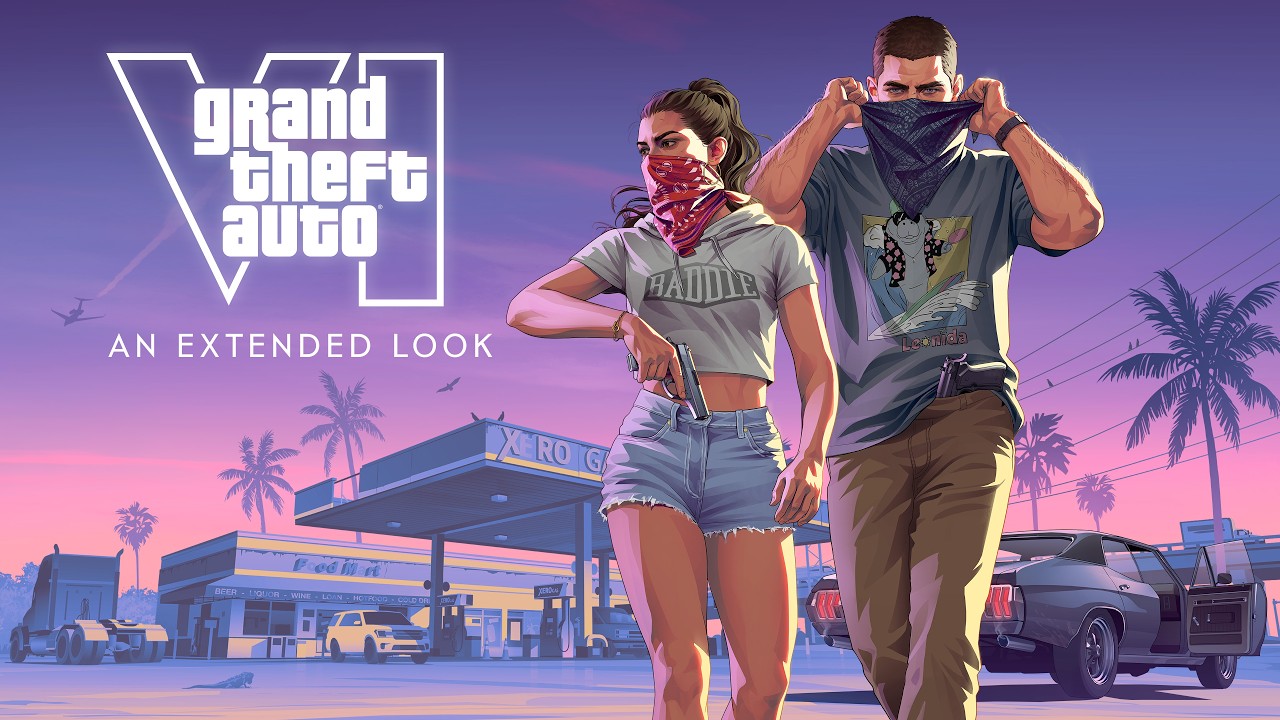
Grand Theft Auto 6 Official Extended Look (via PC Gamer)
Developer Takeaways: Crafting the Next Generation of Open Worlds
What can we, as fellow game developers, learn from Rockstar's ambitious approach to GTA 6?
- Prioritize Systemic Depth: Don't just build a big world; build systems that make that world react to players in meaningful, emergent ways. This creates replayability and unique player stories.
- Invest in Advanced AI: NPCs that perceive, remember, and react realistically to player actions (and even their attire or vehicle) are crucial for truly immersive environments.
- Balance Realism with Fun: The new car theft and wanted systems add realism, but they are designed with engaging mini-games and tactical choices, ensuring they enhance, rather than hinder, player enjoyment.
- Narrative Through Mechanics: Relationship dynamics that are optional but impactful allow players to shape their character's story organically, rather than through linear choices.
- Timeless Satire: For games with long development and lifespans, broader cultural commentary will resonate longer than specific, ephemeral political or meme references.
Grand Theft Auto 6 is shaping up to be more than just another entry in a beloved series. It's a statement on the potential of systemic design to create unparalleled player immersion and emergent gameplay. For game developers, it's a blueprint for pushing the boundaries of what open-world games can achieve, challenging us to think deeper about every interaction and every consequence within our virtual worlds. The future of interactive storytelling is looking incredibly rich.