August 25, 2026
7 min read
Subpoenas Issued: Game Devs, IP, and Platform Responsibility in the Leak Era
Key Takeaways
- •The Unprecedented Scale of the GTA 6 Leaks
- •Take-Two's Swift and Strategic Legal Action
- •The Expanding Scope of Platform Responsibility
The world of game development is a tightrope walk between innovation and protection. We pour years of our lives, incredible talent, and significant capital into crafting experiences, only for them to sometimes be exposed prematurely through leaks. The recent Grand Theft Auto 6 leaks have once again brought this challenge into sharp focus, not just for Rockstar Games and Take-Two Interactive, but for the entire industry. What’s truly notable this time, however, is Take-Two's decisive legal response, filing subpoenas against major platforms like Microsoft, Discord, and X (formerly Twitter). This isn't just about a game; it's a critical moment for IP protection, data security, and the evolving concept of platform responsibility in the digital age.
The Unprecedented Scale of the GTA 6 Leaks
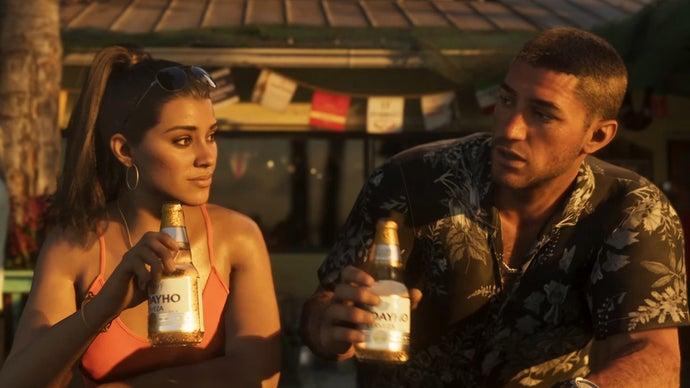
For those who missed it, the GTA 6 leaks have been extensive. Beginning in mid-August 2026, an entity identified as "CyberLeek" started publishing unreleased Grand Theft Auto 6 material. This wasn't just a few screenshots; we're talking about numerous gameplay videos, apparent images of the game's map, and indications of access to an early, playable build. The sheer volume and detail of the leaked content sent shockwaves through the community and, more importantly, through the development studio.
As game developers, we understand the immense effort that goes into every frame, every line of code, every design decision. To have that work, often years in the making, exposed before its intended reveal, can be demoralizing and, frankly, damaging. It can disrupt marketing strategies, spoil surprises for players, and even influence public perception before the game is ready.
Take-Two's Swift and Strategic Legal Action
In response to these pervasive leaks, Take-Two Interactive has taken a firm stance. The company has filed subpoenas against Microsoft, Discord, and X. This move signals a clear intent: to identify the individuals responsible for the leaks and to halt the unauthorized dissemination of their intellectual property.
The fact that Take-Two is targeting these platforms directly is a significant development. It suggests that the company believes these platforms hold crucial information that could lead to the leakers. It also highlights the complex legal landscape that developers must navigate when their IP is compromised online.
Here's a simplified timeline of the leak and Take-Two's reported actions:
Discord, for its part, has stated that it has not yet been served with a subpoena but will "evaluate the validity and scope before responding." This response is standard procedure, but it underscores the delicate balance platforms must strike between user privacy and assisting IP holders in legal matters.
The Expanding Scope of Platform Responsibility
This situation raises critical questions about the responsibility of platforms that host and facilitate communication. In the past, the onus was largely on the IP owner to track down individual leakers. However, as digital communication channels become more central to how information (and misinformation) spreads, the role of platforms as intermediaries is becoming increasingly scrutinized.
- Discord: A hub for communities, including many game development communities, but also a potential vector for unauthorized file sharing and discussion of illicit content.
- X (formerly Twitter): A primary channel for rapid dissemination of news and, unfortunately, leaked material, often amplified by retweets and trending topics.
- Microsoft: Potentially involved if internal development tools or cloud storage were compromised, or if the leakers used Microsoft services.
These subpoenas aren't just about catching leakers; they're about establishing a precedent for how platforms engage with IP infringement. What level of cooperation can IP holders expect? What are the limits of platform liability? These are questions that will undoubtedly shape future policies and legal frameworks.
Implications for Game Developers: A Call to Action
For us, the game developers, these events serve as a stark reminder and a call to action across several fronts:
1. Fortifying IP Protection Strategies
The digital age makes IP protection a constant, uphill battle. Studios need to re-evaluate their strategies beyond just legal documents:
- Proactive Monitoring: Employing tools and teams to actively monitor social media, forums, and leak sites for unauthorized content. Early detection can mitigate damage.
- Rapid Response Protocols: Having a clear plan in place for how to respond to leaks, both legally and publicly. This includes legal counsel, PR teams, and technical experts.
- Digital Fingerprinting: Exploring technologies that can embed invisible watermarks or identifiers into early builds to trace the source of a leak.
2. Doubling Down on Data Security
While the exact nature of the GTA 6 leak's origin hasn't been fully disclosed, such incidents often point to internal vulnerabilities.
- Zero-Trust Architecture: Assume no user or device can be trusted by default, regardless of whether they are inside or outside the network perimeter.
- Employee Training: Regular, rigorous training on security best practices, phishing awareness, and the importance of IP protection. Many leaks are accidental or socially engineered.
- Access Control: Strict limitations on who can access sensitive build data, and robust logging of all access attempts and data transfers.
- Secure Development Environments: Isolating development environments for highly sensitive projects, with stringent controls on external connectivity and data egress.
- Physical Security: Don't forget the basics. Physical access to development machines and servers can be a weak point.
3. Understanding the Evolving Legal Landscape
Take-Two's actions could set important legal precedents. Developers need to stay informed:
- Jurisdictional Complexities: Leaks often involve individuals and platforms across different countries, complicating legal enforcement.
- Platform Terms of Service: Understanding how platform policies intersect with legal demands for user data.
- The Cost of Enforcement: Legal battles are expensive and time-consuming. Smaller studios might find it challenging to pursue similar actions without significant resources.
4. Navigating Developer-Platform Relations
The relationship between game developers and platforms is symbiotic. Developers need platforms to reach players, and platforms need compelling content. Incidents like this can strain those relationships.
- Clear Communication Channels: Establishing clear lines of communication with platform security and legal teams before an incident occurs.
- Shared Responsibility: Advocating for platforms to take a more proactive role in preventing and swiftly removing infringing content, not just reacting to subpoenas.
A Developer's Perspective: The Human Cost
From my perspective as a game developer, these leaks are more than just a business problem; they're a human problem. They represent a betrayal of trust and undermine the passion that drives us. The excitement of a reveal, the culmination of years of hard work, can be instantly diluted by an unauthorized dump of unfinished content.
It forces us to be more guarded, to build higher walls, and sometimes, to be less open about our processes. This isn't ideal for fostering creativity or community engagement, but it's a necessary defense mechanism in a world where leaks are a constant threat.
Moving Forward: Proactive Security is Paramount
The GTA 6 leak saga is far from over, but its implications are already clear. It’s a powerful reminder that in the fast-paced, interconnected world of game development, security and IP protection are not afterthoughts—they are foundational pillars of success.
Studios, large and small, must invest proactively in:
- Robust internal security architectures.
- Continuous employee education.
- Legal preparedness for IP enforcement.
- Strategic engagement with distribution and communication platforms.
The goal isn't just to prevent leaks, but to create an environment where the integrity of our creative work is respected and protected, allowing us to deliver the best possible experiences to players when they are truly ready. This incident is a harsh lesson, but one that hopefully galvanizes the industry to collectively raise its guard.