Is This Co-Op Genre Really Saturated? A Dev's Market Analysis

Key Takeaways
- •The Friendslop Phenomenon: More Than Just a Buzzword
- •Challenging the Saturation Myth: Data-Driven Insights
- •Factors Driving Continued Popularity:
As game developers, we're constantly scanning the horizon, looking for the next big trend, the untapped niche, or, conversely, the genres that have become so crowded they're no longer viable. One such genre that has sparked considerable debate recently is "Friendslop." Many might assume that with its rise in popularity, the market must surely be saturated. However, recent analysis from "How To Market A Game" suggests a different story: Friendslop is not saturated, and in fact, it's getting even more popular.
This insight is critical for any developer, especially indie studios, considering their next project. It underscores the importance of deep market analysis over anecdotal evidence or gut feelings. Let's unpack what this means for us.
The Friendslop Phenomenon: More Than Just a Buzzword
The "Friendslop" genre, characterized by its emphasis on cooperative gameplay, social interaction, and often lighthearted or charming aesthetics, has seen a significant surge in recent years. Think games where teamwork, shared experiences, and a generally positive, low-stress environment are central. These titles thrive on player-driven narratives and the unique dynamics that emerge when friends (or strangers) collaborate towards a common goal.
For a long time, the prevailing wisdom in the industry has been that once a genre gains traction, it quickly becomes oversaturated. Developers rush in, the market floods, and only the titans survive. It's a valid concern, particularly for smaller teams who can't afford to compete in a red ocean. This perception has led many to eye the Friendslop genre with caution, wondering if it's already too late to jump in.
Challenging the Saturation Myth: Data-Driven Insights
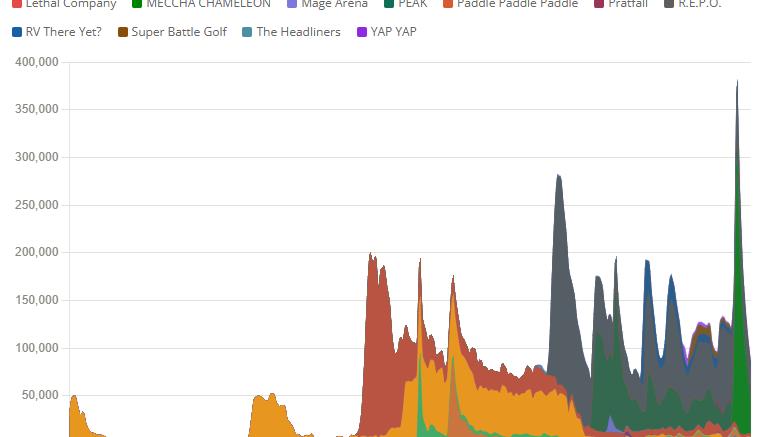
The "How To Market A Game" analysis directly confronts this saturation myth. By examining "weekly concurrent player counts for 16 major Friendslop titles released since the birth of the genre," the report concludes that the genre is not only not saturated but is experiencing continued growth. This isn't just a static market share; it's an expanding pie.
This finding is a breath of fresh air for developers. It suggests that player demand for engaging, cooperative experiences remains robust, and the market is capable of supporting more quality titles. But why is this the case?
Factors Driving Continued Popularity:
- Social Connection: In an increasingly digital world, games that facilitate genuine social connection and teamwork are more valuable than ever. Friendslop games offer a low-barrier-to-entry way for people to connect and have fun together.
- Accessibility: Many Friendslop titles are designed to be accessible, both in terms of gameplay mechanics and system requirements, broadening their appeal to a wider audience.
- Content Longevity: The cooperative nature often lends itself to emergent gameplay and replayability, keeping player engagement high long after launch.
- Diverse Mechanics: While sharing a core philosophy, Friendslop games can encompass a wide array of mechanics, from farming and crafting to exploration and puzzle-solving, preventing monotony within the genre.
To illustrate this ongoing popularity, let's look at a simplified trend of concurrent player counts for some hypothetical Friendslop titles.
This chart, inspired by the "How To Market A Game" report's findings, visually represents the sustained and even growing player bases within the Friendslop genre. Even new entrants, like "Game Gamma," find significant traction, indicating a healthy, expanding market rather than a stagnant, saturated one.
Implications for Game Developers
This market analysis offers several crucial lessons for developers:
1. Don't Fear the Crowd, Understand the Niche: The "How To Market A Game" report reminds us that a genre's popularity doesn't automatically equate to saturation. Instead of avoiding popular genres, we should focus on understanding the nuances of player demand within them. What specific experiences are players still looking for? What unmet needs can a new title address?
2. Innovation Within a Framework: The Friendslop genre is defined by its core co-op and social elements, but there's immense room for innovation in mechanics, art style, narrative, and unique twists. A new Friendslop game doesn't need to reinvent the wheel, but it does need a compelling hook.
3. Community is King (and Queen): For a genre built on social interaction, community engagement is paramount. Developers should plan for robust post-launch support, listen to player feedback, and foster a welcoming environment. This builds loyalty and ensures longevity.
4. Long-Tail Potential: The sustained player counts of established Friendslop titles demonstrate the genre's strong long-tail potential. A solid launch can lead to years of community growth and continued sales, provided the game receives consistent updates and developer attention. This is a stark contrast to single-player, narrative-driven games that often see a sharp decline in player numbers post-completion.
5. Market Research is Non-Negotiable: This entire discussion highlights the indispensable role of thorough market research. Relying on assumptions or outdated perceptions can lead to missed opportunities. Tools for analyzing concurrent players, sales data, and community sentiment are invaluable.
What's Next for Friendslop Devs?
If you're a developer eyeing the Friendslop genre, this news should be encouraging. It's not about being first, but about being good and smart. Focus on:
- Unique Selling Proposition (USP): What makes your Friendslop game stand out? Is it a novel mechanic, a distinctive art style, or a fresh thematic approach?
- Player Experience First: Prioritize seamless co-op functionality, intuitive interfaces, and engaging progression systems that reward teamwork.
- Marketing & Community Strategy: Plan how you'll reach your audience and build a vibrant community from day one. Early access and open betas can be powerful tools here.
- Scalability & Post-Launch Content: Consider how your game can evolve over time with new content, events, and features to keep players coming back.
The Friendslop genre proves that even in a seemingly crowded market, genuine demand and thoughtful development can lead to success. The key is to look beyond the surface, leverage data, and build experiences that truly resonate with players seeking connection and fun. So, if you had a Friendslop idea gathering dust because you thought the market was too full, it might be time to dust it off. The party, it seems, is still very much ongoing.
At White Cube Studios, we translate technical architecture into shipping systems across our specialized development pillars: