Navigating the Ethical Minefield for Developers

Key Takeaways
- •The Developer's Dilemma: Ethics vs. Employment
- •Impact on Company Culture and Morale
- •The Shadow of Censorship and Creative Freedom
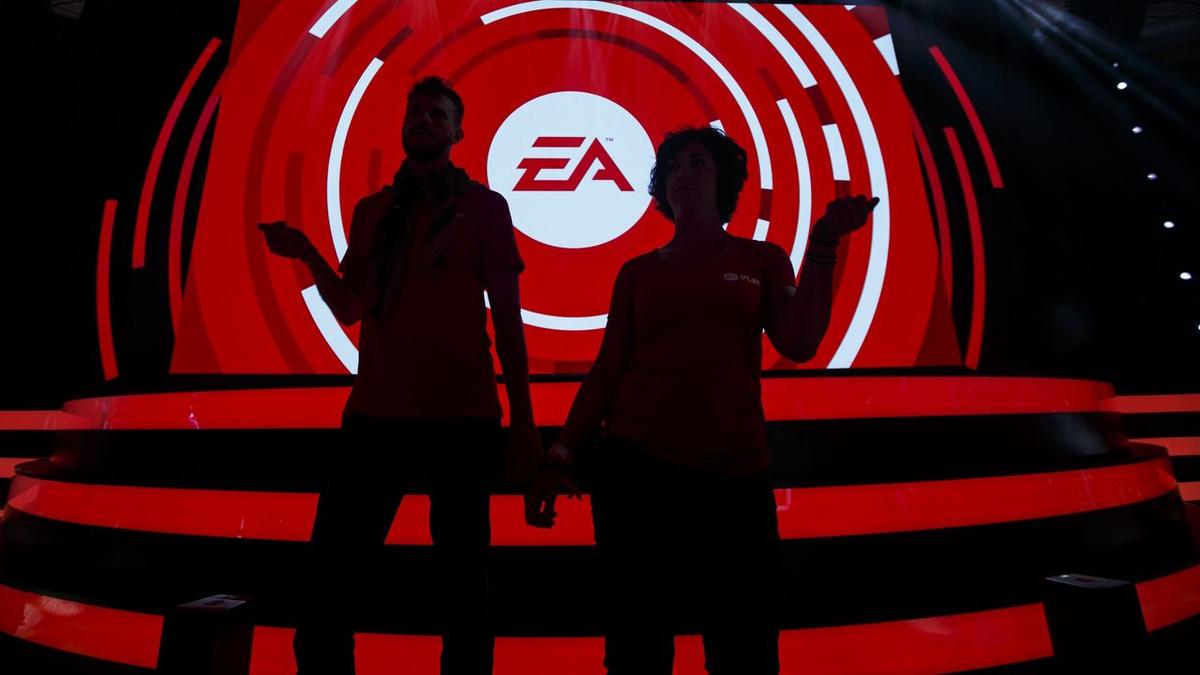
As game developers, we often find ourselves navigating a complex landscape where creative passion meets corporate realities. Few recent developments have brought this tension into sharper focus than the news surrounding Electronic Arts (EA) and its acquisition by Saudi ownership. This isn't just another business deal; it's a seismic event that has left many EA employees "trapped in a maelstrom of cynicism and doubt," as reported by Game Developer. From an insider's perspective, this situation raises critical questions about company culture, ethical responsibility, and the future of creative freedom in our industry.
The Developer's Dilemma: Ethics vs. Employment
The core of the issue, as highlighted by PC Gamer, is the profound discomfort many employees feel about being associated with a regime whose values are "very much at odds with progressive society." This isn't about the game mechanics or engine choice; it's about fundamental human values and the ethical framework that underpins our work. Developers pouring their hearts into creating experiences are now grappling with the source of their paychecks.
It's a difficult position to be in. On one hand, there's the professional commitment, the financial stability, and the team you work with. On the other, there's a deep-seated ethical conflict. As a developer, you invest a significant part of yourself into your projects. When the ownership changes to an entity with a controversial human rights record, it can feel like a violation of that personal and professional integrity.
The sentiment among some employees, as quoted by Game Developer, is a blunt "I feel dirty." This isn't merely dissatisfaction; it's a moral injury. Management has reportedly offered assurances, but these seem to be doing little to assuage the deep-seated concerns.
Impact on Company Culture and Morale
A healthy studio culture thrives on trust, shared values, and a sense of purpose. An acquisition of this nature can severely fracture that foundation. When employees "brace for the worst," as PC Gamer states, it signals a breakdown in psychological safety.
Consider the potential ramifications:
- Talent Retention: Top talent, especially those with strong ethical stances or diverse backgrounds, might seek opportunities elsewhere. Our industry is competitive, and developers have options.
- Innovation & Creativity: A climate of fear or ethical compromise can stifle creativity. Developers might self-censor or lose the motivation to push boundaries if they feel their work could be misused or misinterpreted.
- Internal Divisions: Disagreements over the acquisition could create rifts within teams, impacting collaboration and overall productivity.
The general sentiment, based on the reports, can be illustrated as follows:
This illustrative chart reflects a significant portion of employees grappling with negative or uncertain feelings, outweighing any positive or neutral outlook. It's a challenging environment to foster innovation.
The Shadow of Censorship and Creative Freedom
One of the most pressing fears for developers under new ownership, particularly from a regime with differing societal norms, is the potential for censorship. PC Gamer notes that "some workers believe the company will be subject to censorship by its new owners." This isn't an abstract concern; it's a very real threat to the artistic integrity and narrative freedom that many game developers cherish.
Will narratives need to be altered? Will certain themes or characters be deemed inappropriate? Such restrictions can fundamentally change the nature of the games being developed. For a company like EA, which publishes a wide array of titles from sports simulations to action-adventure, the implications could vary but are universally concerning for creative teams. The fear isn't just about what will be censored, but the chilling effect that the possibility of censorship has on the creative process itself.
The Business Reality vs. Human Values
From a purely business perspective, an acquisition of this magnitude, reportedly a "$55 billion take-private," as Game Developer mentions, is often framed as a strategic move. It brings in capital, potentially stabilizes the company, and reorients its future. However, for the people who make the games, the human element is paramount.
This situation forces us to confront a recurring tension in the game industry: the conflict between corporate interests and the well-being and values of its workforce. While financial stability is crucial, it should not come at the cost of ethical integrity or a healthy, inclusive work environment. Companies that prioritize short-term financial gains over the long-term morale and values of their employees risk significant damage to their brand and their ability to attract and retain talent.
Moving Forward: What Can Developers Do?
For individual developers at EA, navigating this situation is incredibly personal and difficult. Options might include:
- Internal Advocacy: Working within established channels to voice concerns and push for transparency and ethical guidelines.
- Networking: Keeping an eye on other opportunities in the industry that align better with personal values.
- Professional Development: Continuing to build skills and portfolios to maintain marketability.
For the broader industry, this event serves as a stark reminder:
1. Transparency is Key: Acquisitions, especially those with significant ethical implications, demand utmost transparency from leadership.
2. Values Matter: Companies must actively cultivate and uphold a set of core values that resonate with their employees. These values should guide decisions, not just be platitudes.
3. Support Systems: Industry organizations and communities can provide support and resources for developers facing ethical dilemmas in their workplaces.
The EA acquisition is a complex scenario with no easy answers. It's a powerful case study in the intersection of global finance, geopolitics, and the deeply personal craft of game development.
Conclusion
The acquisition of EA by Saudi ownership has ignited a significant ethical debate within the game development community. The reported "cynicism and doubt" among EA employees underscores the profound impact such corporate decisions have on the human element of our industry. As developers, we are not just cogs in a machine; we are creators, artists, and engineers who care deeply about the work we do and the values it represents.
While the financial motives behind such deals are clear, the long-term success of a game company ultimately rests on its people. Ignoring the ethical concerns and cultural clashes that arise from such acquisitions risks alienating talent, stifling creativity, and ultimately, diminishing the quality and integrity of the games we create. It's a crucial moment for EA and a pivotal lesson for all of us in understanding the evolving landscape of global game development.
At White Cube Studios, we translate technical architecture into shipping systems across our specialized development pillars: