July 21, 2026
9 min read
Designing Unique Combat: Lessons from Dino Lords' Spinosaurus Swordplay
Key Takeaways
- •The Soulslike Foundation: Building on Familiarity
- •Weaponizing the Mouth: A Deep Dive into Spinosaurus Swordplay
- •Animation & Physics Challenges
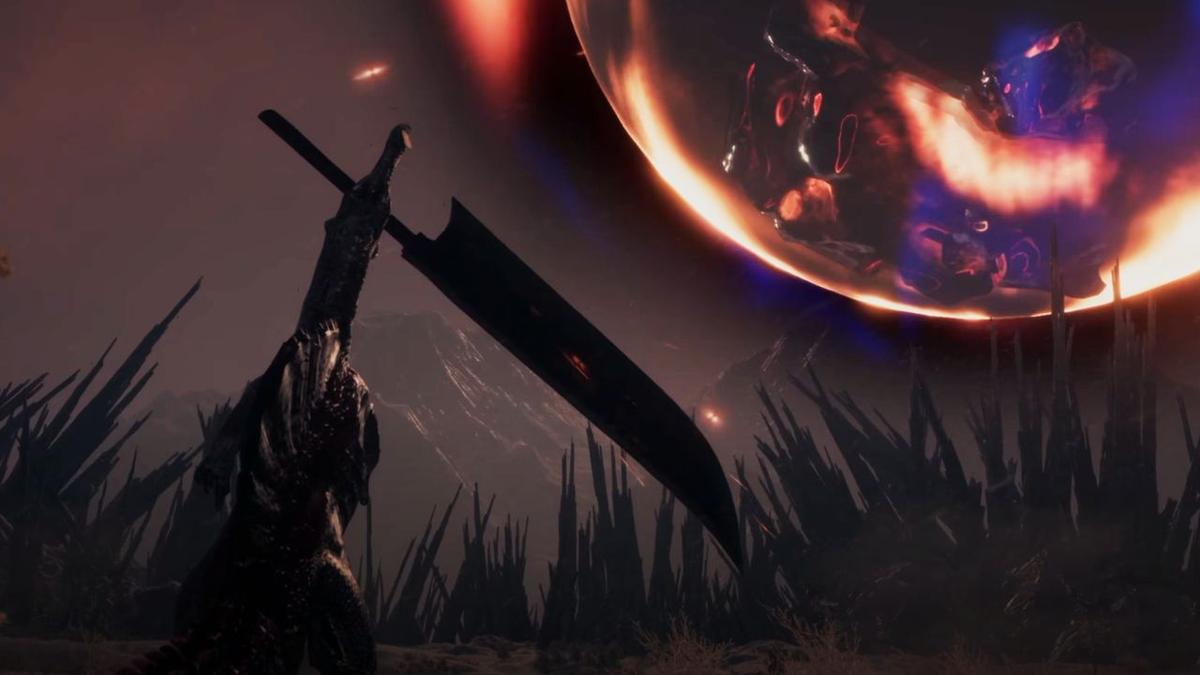
As game developers, we constantly seek to innovate, to break free from established norms and deliver experiences that genuinely surprise and engage players. In a landscape often dominated by iterative design, titles that dare to be different stand out. One such intriguing upcoming release that caught our attention is Dino Lords, a self-proclaimed "dinosaur soulslike" where players take on the role of a Spinosaurus wielding a greatsword with its mouth, with the audacious possibility of parrying a meteor. This concept, while seemingly outlandish, offers a rich case study in designing truly unique and impactful combat mechanics.
This guide will deconstruct the design implications of Dino Lords' core premise, exploring how its unconventional combat system could be engineered to deliver a compelling and memorable player experience. We'll delve into the foundational "soulslike" elements, the challenges and opportunities of its mouth-wielded greatsword, and the extreme concept of meteor parrying, offering insights for developers looking to inject similar levels of creativity into their own projects.
The Soulslike Foundation: Building on Familiarity
The "soulslike" genre provides a robust framework for challenging combat, demanding player skill, strategic thinking, and resilience. For Dino Lords, labeling itself as such immediately sets player expectations regarding difficulty, progression, and combat rhythm.
Core elements of soulslike design typically include:
- High Difficulty & Punishment: Combat encounters are lethal, and mistakes are costly. Death often results in losing progress or a valuable resource (like "souls" or, in this case, perhaps "dino essence").
- Stamina Management: Every action, from attacking to dodging, consumes a resource, forcing players to think strategically rather than spamming attacks.
- Pattern Recognition: Enemies often have distinct attack patterns that players must learn to counter effectively.
- Boss Battles: Epic, multi-phase encounters that test all learned skills and often require unique strategies.
- Interconnected World Design: Levels often loop back on themselves, creating a sense of a coherent, dangerous world.
- Meaningful Progression: Character upgrades feel earned and impactful, allowing players to tailor their playstyle.
Integrating these elements into a game featuring a giant, sword-wielding dinosaur creates an immediate tension between the creature's inherent power and the genre's demand for player vulnerability. The design challenge here is to ensure the Spinosaurus feels powerful, yet remains susceptible to the soulslike's unforgiving nature. This could be achieved through slower, more deliberate combat, larger hitboxes that are harder to avoid, or a unique "stagger" mechanic tailored for a creature of its size.
Weaponizing the Mouth: A Deep Dive into Spinosaurus Swordplay
The central, most striking mechanic of Dino Lords is the Spinosaurus swinging a greatsword with its mouth. This isn't just a cosmetic detail; it profoundly impacts combat design, animation, and player input.
Animation & Physics Challenges
From an animation perspective, this presents significant hurdles. How does a massive dinosaur manipulate a heavy weapon with its jaws?
- Weight & Momentum: A greatsword is heavy. A Spinosaurus wielding it would generate immense momentum. Animations must convey this weight, making attacks feel impactful but also slow and deliberate. This naturally feeds into the soulslike's emphasis on timing.
- Jaw Mechanics: The Spinosaurus's jaw isn't designed for fine motor control like a human hand. Attacks might be more sweeping, less precise, or involve "chomping" motions that transition into swings. This could lead to unique attack chains, perhaps requiring specific "bite" inputs to initiate a powerful swing.
- Hitboxes: The weapon's hitbox would be an extension of the dinosaur's head. This could lead to interesting combat scenarios where players need to aim not just the sword, but the entire head and neck.
Gameplay Implications
This unique weapon handling opens up several design avenues:
- Limited Precision: Unlike a human protagonist, precise thrusts or parries might be harder to execute. This could mean a focus on wide, area-of-effect attacks or powerful, single-target strikes that require careful positioning.
- Unique Attack Types:
- Jaw Clamp: A powerful initial bite that stuns or grapples smaller enemies, followed by a sword swing.
- Head Swipe: Broad, sweeping attacks that cover a wide arc, effective against multiple foes.
- Impale: A forward lunge where the Spinosaurus drives the sword into an enemy.
- Stamina Cost & Recovery: Holding and swinging such a heavy weapon with the jaw would be incredibly taxing. Stamina costs for attacks might be higher, and recovery periods longer, emphasizing strategic engagement and moments of vulnerability.
- Environmental Interaction: Could the Spinosaurus use its mouth-sword to interact with the environment in unique ways? Cutting through obstacles, prying open doors, or even climbing by biting onto ledges could add depth.
Here's a simplified flow for a "Mouth-Sword" attack sequence:
The Art of the Meteor Parry: A High-Stakes Mechanic
The concept of "parrying the meteor" is the ultimate expression of Dino Lords' over-the-top design. This isn't just a combat mechanic; it's a potential narrative beat, a spectacle, and a skill test of epic proportions.
Design Principles for High-Stakes Parries
Implementing such a mechanic requires careful consideration:
- Clear Indicators: A meteor parry cannot be ambiguous. Players need crystal-clear visual and auditory cues that a parry opportunity is approaching, what the successful parry window looks like, and what the consequences of failure are. This could involve:
- Distinct Boss Phase: The meteor only appears during a specific, telegraphed boss phase.
- Environmental Cues: The sky darkens, a specific sound effect plays, or the ground shakes.
- UI Elements: A glowing indicator, a prompt, or a countdown timer.
- Risk vs. Reward: The reward for a successful meteor parry must be immense – perhaps negating a game-over mechanic, dealing massive damage to a boss, or unlocking a temporary power-up. The risk of failure should also be significant, potentially leading to instant death or a highly detrimental status effect.
- Learned Skill: This shouldn't be a random event. It needs to be a skill that players can practice, understand, and eventually master. This implies:
- Consistent Timing: The parry window, while tight, must be consistent once the player understands the cues.
- Visual Feedback: Clear feedback on whether a parry was "too early," "too late," or "perfect."
- Progression: Perhaps there are smaller, less catastrophic projectiles that can be parried earlier in the game to teach the mechanic.
The Spectacle of Success
A successful meteor parry needs to be a moment of pure triumph and visual spectacle. Developers should invest heavily in:
- Cinematic Camera Angles: Briefly shifting to a dynamic camera to highlight the parry.
- Exaggerated Visual Effects: A massive explosion, shockwave, or deflection effect.
- Powerful Sound Design: A satisfying "CLANG" followed by a thunderous impact or reverberation.
- Player Feedback: A temporary buff, a boss stagger, or an environmental change that clearly indicates the player's success.
Balancing the Unconventional: Making it Fun and Fair
The challenge with such unique mechanics lies in balancing them to ensure the game is fun, fair, and engaging, rather than frustrating or gimmicky.
Iterative Design and Playtesting
- Early Prototyping: The mouth-sword and meteor parry mechanics should be prototyped as early as possible. This allows for rapid iteration on controls, animations, and visual feedback.
- Extensive Playtesting: Bring in diverse groups of players to test these mechanics. Observe how they react, what they find intuitive, and what causes frustration. Is the parry window too tight? Are the mouth-sword attacks too clunky?
- Feedback Loops: Establish clear feedback loops for player actions. When a player parries, hits, or gets hit, the game needs to communicate the outcome effectively through visual, auditory, and haptic feedback.
Difficulty Scaling
- Tutorialization: Even a soulslike needs to teach its unique mechanics. Dino Lords would benefit from a tutorial or early-game encounters that gently introduce the mouth-sword combat and perhaps a scaled-down version of the parry mechanic.
- Progression and Mastery: As players progress, the challenges should escalate, demanding greater mastery of these unique systems. New enemy types might require specific mouth-sword attacks, or meteor parries might become multi-stage events.
Crafting Immersion: The Player's Journey as a Spinosaurus
Ultimately, the success of Dino Lords' unique design will hinge on how well it immerses the player in the fantasy of being a sword-wielding Spinosaurus.
- Authentic Movement: Beyond combat, the movement of the Spinosaurus should feel weighty and powerful, reflecting its size. Every step, every turn, should convey the sheer mass of the creature.
- Environmental Interaction: How does a giant dinosaur navigate the world? Can it smash through certain obstacles? Swim through deep waters? These interactions reinforce the player's identity as a formidable predator.
- Narrative Resonance: Even in a soulslike, a compelling narrative can elevate the experience. Why is this Spinosaurus wielding a greatsword? What is the source of the meteors? Answering these questions through environmental storytelling or cryptic lore can deepen player engagement.
The developers of Dino Lords are clearly aiming for a bold, distinctive experience. By embracing the absurdity of its premise and meticulously designing around its unique combat mechanics, they have the potential to deliver a truly memorable title that challenges conventions and delights players looking for something genuinely new. For other game developers, Dino Lords serves as an inspiring example: don't be afraid to lean into your wildest ideas, provided you back them up with solid design principles and a commitment to player experience. The next viral game might just be the one that dares to let a dinosaur parry a meteor.