July 9, 2026
9 min read
Designing Legendary Naval Encounters: Lessons from Black Flag Resynced
Key Takeaways
- •The Allure of Legendary Encounters
- •Defining "Legendary" in Ship Design
- •Core Combat Mechanics for Legendary Encounters
As game developers, we constantly strive to create memorable experiences that challenge players and reward their dedication. In the realm of naval combat games, few challenges are as iconic and sought-after as the legendary ship encounters. The recent resurgence of interest in titles like Black Flag Resynced, highlighted by guides focused on "how to beat all four legendary ships," offers a valuable opportunity to deconstruct the design philosophy behind these epic battles and understand what makes them truly compelling. This guide will delve into the core principles of designing such encounters, from establishing their "legendary" status to crafting intricate combat mechanics and, crucially, ensuring that players feel adequately rewarded for their triumph.
The Allure of Legendary Encounters
Legendary encounters are more than just difficult boss fights; they are narrative touchstones, skill gates, and aspirational goals that drive player engagement. In a game like Black Flag Resynced, the very phrase "legendary ship" conjures images of formidable foes, unique challenges, and the promise of substantial spoils. For players, overcoming these adversaries represents a peak achievement, a testament to their mastery of the game's mechanics and the strength of their vessel. From a design perspective, these encounters serve multiple purposes: they provide a clear progression path, encourage exploration and resource gathering, and ultimately, enhance the game's replayability as players strive for perfection.
Designing these moments requires a delicate balance. The challenge must be significant enough to feel truly "legendary," but not so insurmountable that it frustrates players into abandoning the quest. The anticipation built around these battles is as important as the combat itself, fueled by whispers of their power and the tantalizing prospect of what awaits those who conquer them.
Defining "Legendary" in Ship Design
What truly elevates a ship from a standard enemy to a legendary adversary? It's not merely about inflating health pools or damage numbers. A legendary ship, in its design, must embody several key characteristics that set it apart.
- Unique Mechanics: Legendary ships should operate under different rules or possess abilities not seen in regular enemies. This could involve special attack patterns, defensive maneuvers, environmental interactions, or even multi-stage combat phases that force players to adapt their strategies mid-battle. A ship that can summon smaller fleets, create whirlpools, or possess an impenetrable front armor, requiring flanking maneuvers, immediately feels distinct.
- High Difficulty & Strategic Depth: While difficulty is a given, it must stem from strategic complexity rather than cheap tricks. Players should feel that their success is a result of their tactical prowess and preparation, not just luck. This means designing predictable (but challenging) AI patterns that can be learned and countered, encouraging players to study their foe.
- Narrative Integration: Even if the game doesn't explicitly tell a grand story for each ship, their "legendary" status should be hinted at through the game world. Perhaps they patrol specific, dangerous zones, or rumors of their destructive power precede them. This adds to the mystique and player motivation.
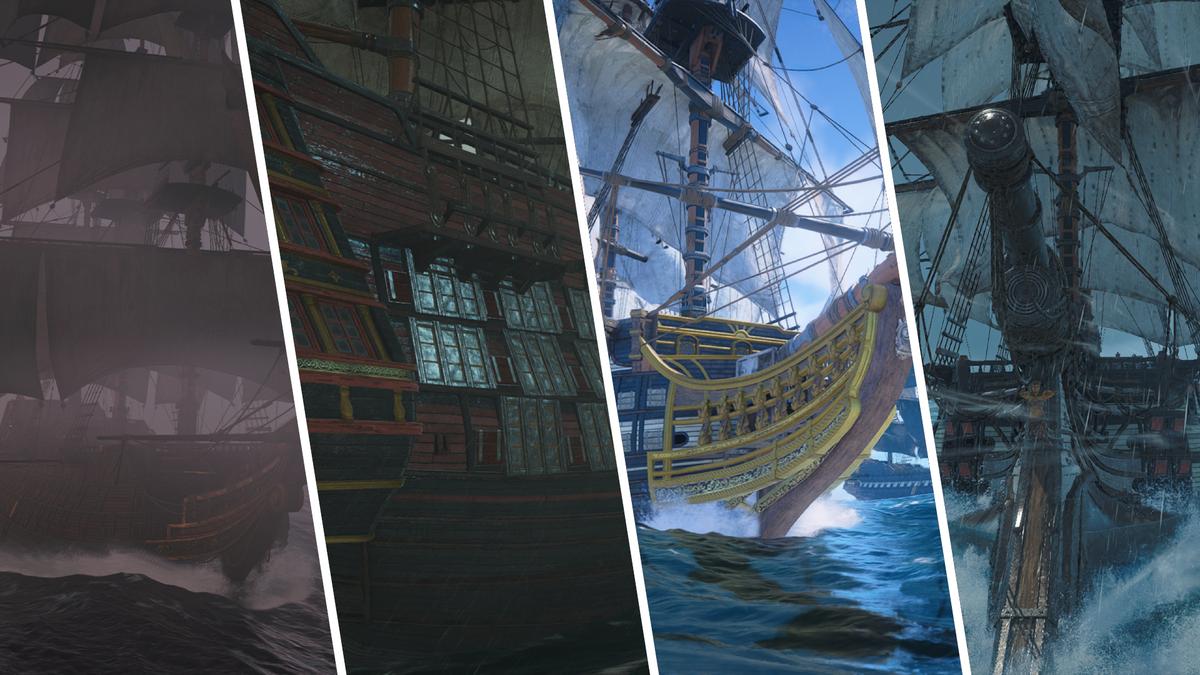
- Visual Distinction: A legendary ship must look the part. Unique hull designs, sails, flags, or even glowing elements can visually communicate its exceptional nature and immediately make it stand out on the horizon.
Consider a simple representation of a legendary ship's design attributes:
Core Combat Mechanics for Legendary Encounters
The actual battle against a legendary ship needs to be a masterclass in naval combat design. It's where all the player's accumulated skills, ship upgrades, and tactical thinking are put to the ultimate test.
- Player Preparation and Upgrades: A critical design element is the emphasis on player preparation. Legendary ships aren't meant to be stumbled upon and defeated easily. They should serve as a benchmark for a fully upgraded or well-equipped vessel. This encourages players to invest time in acquiring better cannons, hull armor, sail upgrades, and special ammunition. The "Resynced" aspect of Black Flag suggests that the balancing might have been refined, making these requirements even more precise.
- Enemy AI Patterns: Unlike standard enemies that might simply pursue and fire, a legendary ship's AI should exhibit complex behaviors. This could include:
- Phase Transitions: The ship might change its tactics or unlock new abilities once its health drops to certain thresholds.
- Vulnerability Windows: Specific actions or conditions might expose weak points, encouraging players to learn and exploit these openings.
- Area-of-Effect Attacks: Wide-ranging attacks that force players to maneuver and avoid damage, rather than simply trading blows.
- Support Call-ins: The legendary ship might call for reinforcements, adding a layer of crowd control and prioritization to the battle.
- Environmental Factors: The battle arena itself can be a critical component of the challenge. Rough seas, storms, narrow straits, or proximity to dangerous reefs can turn a straightforward fight into a dynamic, multi-faceted struggle. The environment can offer both challenges and opportunities, allowing clever players to use it to their advantage.
- Resource Management: Legendary battles should test a player's ability to manage their repair kits, special ammunition, and crew abilities under pressure. This adds another layer of strategic depth beyond simply aiming and firing.
Balancing Challenge and Accessibility
For a legendary encounter to be truly successful, its difficulty must feel fair and surmountable through skill and preparation. It should push players to their limits without feeling cheap or impossible.
- Difficulty Curves: The progression to challenging legendary ships should be gradual. Players should encounter increasingly difficult standard enemies and mini-bosses that teach them the necessary mechanics and strategies before facing the ultimate tests. This forms a natural learning curve that prepares them for what's to come.
- Player Skill vs. Gear Checks: While gear is important, pure skill should always offer a path to victory, even if a more difficult one. A player with exceptional maneuvering and aiming should theoretically be able to defeat a legendary ship with slightly less optimized gear, rewarding mastery over grind. Conversely, a player with top-tier equipment might still struggle if they lack tactical understanding.
- Clear Feedback Loops: During the battle, players need clear visual and auditory feedback on their actions and the enemy's state. Is the ship vulnerable? Is it about to unleash a devastating attack? Clear indicators allow players to react and learn, turning each failed attempt into a valuable lesson rather than a frustrating dead end.
- Checkpointing and Persistence: For extended or multi-stage battles, consider strategic checkpoints or persistent damage. While the "legendary" nature implies a grand single encounter, for very long fights, allowing players to retain some progress or learn from previous phases can reduce frustration and encourage persistence.
The Reward Loop: "And what you'll get in return."
The snippet "And what you'll get in return" encapsulates the final, crucial piece of the legendary encounter puzzle: the reward. Without meaningful compensation, even the most brilliantly designed challenge will fall flat. Rewards reinforce player motivation and validate their effort.
- Tangible Rewards: These are the most direct forms of compensation:
- Unique Ship Upgrades: Exclusive cannons, hull plating, or cosmetic items that are only obtainable from legendary ships. These should offer a tangible power increase or a distinct visual flair.
- Significant Currency/Resources: A substantial boost to in-game currency or rare resources that enable further progression or customization.
- Rare Blueprints/Crafting Materials: Items that unlock new crafting options or allow players to build powerful new equipment.
- Intangible Rewards: These contribute to the player's sense of achievement and status:
- Achievements/Trophies: Formal recognition within the game's achievement system.
- Titles/Fame: In-game titles or reputation boosts that signify their prowess.
- Bragging Rights: The inherent satisfaction of overcoming a difficult challenge, often shared within the player community. This is especially potent in a "Resynced" context, where players might compare strategies and triumphs.
The reward structure should feel proportional to the challenge. Defeating a legendary ship should feel like a significant milestone, not just another quest completed. The rewards should open up new possibilities, whether it's accessing new areas, completing a ship build, or simply feeling more powerful within the game world.
Iterative Design & Testing for Lasting Impact
Designing legendary encounters is an iterative process. Initial concepts rarely survive first contact with playtesting.
- Extensive Playtesting: Crucial for identifying unforeseen exploits, balancing issues, or moments of unfair difficulty. Internal QA and external beta testers can provide invaluable feedback.
- Data Analysis: Tracking player attempts, success rates, and specific pain points can provide empirical data to guide balancing efforts. Are players consistently dying at a certain phase? Is one ship significantly easier or harder than the others?
- Community Feedback: For a "Resynced" title, community input is paramount. Players who have mastered the original game will have high expectations and valuable insights. Listening to their feedback on difficulty, fairness, and reward satisfaction can help refine the encounters to perfection. This continuous feedback loop ensures that the "legendary" status endures and resonates with the player base.
Conclusion
Designing legendary naval encounters in games like Black Flag Resynced is an art form that blends intricate mechanics, strategic depth, and compelling rewards. By focusing on unique enemy behaviors, balancing challenge with player preparation, and ensuring meaningful payoffs, developers can create truly unforgettable moments that define a player's journey. These battles are more than just obstacles; they are the pinnacles of skill, the tests of endurance, and the ultimate validation of a player's mastery, ensuring that the legend of both the ships and the player lives on.