August 10, 2026
7 min read
Designing Engaging Sorting Games: The New Steam Craze
Key Takeaways
- •The Unexpected Appeal of Organization and Order
- •Core Mechanics: What Makes a Sorting Game Compelling?
- •Object Variety and Categorization
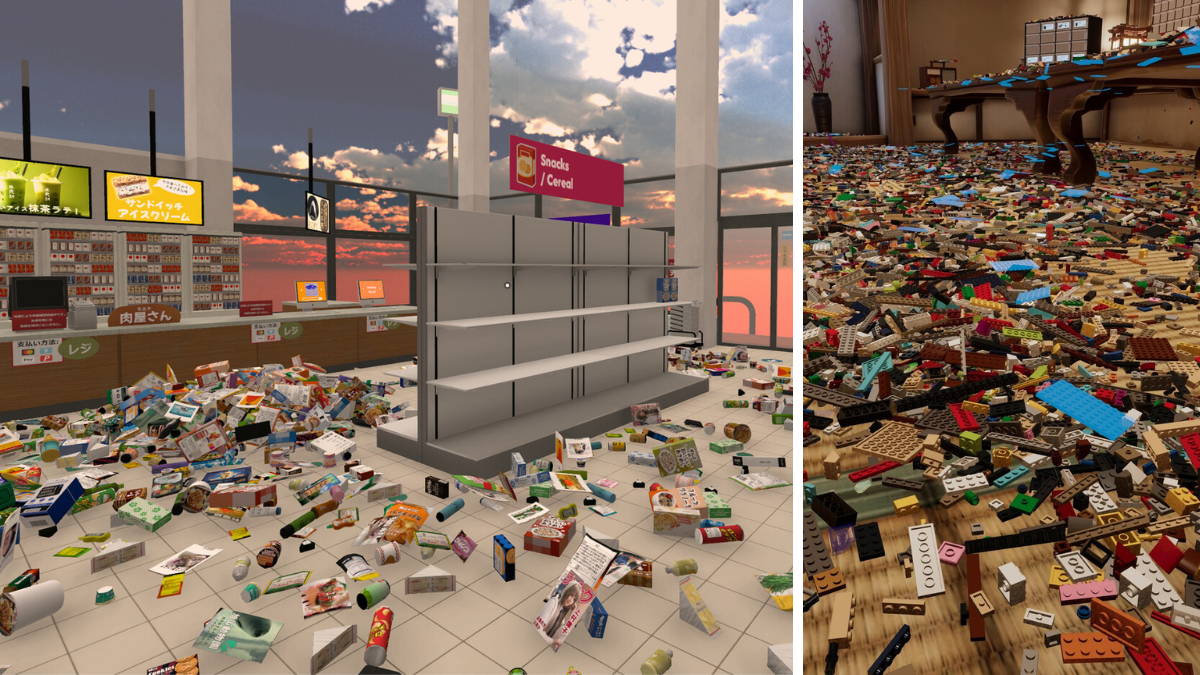
The gaming landscape is constantly evolving, with new trends emerging from unexpected corners. Recently, a fascinating phenomenon has swept across PC gaming, particularly on Steam: games centered around the seemingly mundane task of sorting thousands of objects onto shelves. This isn't just a niche; it's a "new craze" capturing significant attention, proving that innovative game design can transform even the simplest activities into compelling experiences. As game developers, understanding the appeal and core mechanics of these "sorting games" can offer valuable insights into player psychology and the potential for viral success in seemingly unconventional genres.
This guide will break down the design principles behind these trending organizational titles, offering a framework for developers looking to tap into this surprisingly deep and satisfying gameplay loop.
The Unexpected Appeal of Organization and Order
At first glance, the idea of a game solely dedicated to sorting might seem counter-intuitive to traditional notions of "fun" in gaming, which often involve action, adventure, or complex narratives. However, the viral success of these titles speaks to a fundamental human desire: the need for order, completion, and mastery.
Players derive immense satisfaction from:
- Problem-Solving: Each unsorted pile is a puzzle waiting to be solved, requiring spatial reasoning and categorization skills.
- Sense of Accomplishment: Transforming chaos into order provides a clear, tangible sense of achievement. The "before and after" effect is incredibly rewarding.
- Mindfulness and Relaxation: For many, the repetitive yet engaging nature of sorting can be meditative, offering a low-stress escape from more demanding games or real-world pressures. It's a flow state where the objective is clear, and progress is visible.
- Aesthetic Gratification: A perfectly organized shelf or inventory is visually pleasing, appealing to our innate appreciation for neatness and symmetry.
This underlying psychological pull is a powerful foundation for a game, regardless of its grand narrative or high-octane action.
Core Mechanics: What Makes a Sorting Game Compelling?
Designing a successful sorting game goes beyond simply presenting a pile of objects. It requires careful consideration of several interconnected mechanics that elevate the experience from chore to captivating.
Object Variety and Categorization
The "thousands of mundane objects" mentioned in the trend are crucial. The sheer volume and diversity of items present the primary challenge and opportunity for engagement.
- Distinct Attributes: Objects must possess clear, discernible attributes (color, size, shape, type, rarity, brand, etc.) that allow for multiple sorting criteria. This complexity prevents the task from becoming too simplistic too quickly.
- Thematic Cohesion: While "mundane," the objects often belong to a cohesive theme (e.g., groceries, tools, books, collectibles). This theme can inform the sorting logic and visual design.
- Visual Clarity: Despite the volume, each object needs to be easily identifiable and distinct from others, even at a glance, to avoid player frustration.
Container Design and Spatial Puzzles
The shelves, boxes, and storage units are not just passive receptacles; they are active components of the puzzle.
- Limited Space: Scarcity of space is a fundamental challenge. Players must make strategic decisions about where to place items, often requiring them to optimize layouts.
- Categorical Constraints: Containers might only accept specific types of items, colors, or sizes, adding layers of rules to the sorting process.
- Dynamic Environments: Introducing elements like adjustable shelves, rotating displays, or stackable containers can add depth and replayability.
The Gameplay Loop: From Chaos to Order
A well-designed sorting game follows a satisfying loop that reinforces player agency and progress.
This loop emphasizes continuous decision-making and immediate feedback, crucial for maintaining player engagement.
Elevating the Mundane: Design Principles for Engagement
How do developers transform a simple task into a "craze"? It's about clever implementation of core design principles.
1. Clear Rules and Intuitive UI
While the puzzles can be complex, the rules governing sorting must be crystal clear.
- Visual Cues: Use color-coding, icons, or subtle highlights to indicate valid placement zones or sorting categories.
- Drag-and-Drop: Most sorting games benefit from an intuitive drag-and-drop interface, making the core interaction seamless and tactile.
- Contextual Information: Provide easy access to item attributes or sorting requirements without cluttering the screen.
2. Progressive Difficulty and Mastery Curve
The game should gradually introduce new complexities to keep players challenged and feeling like they are improving.
- Introducing New Categories: Start with simple sorting (e.g., by color), then introduce additional criteria (size, type).
- Increasing Object Count: Gradually increase the number of items and the variety of their attributes.
- Complex Container Layouts: Introduce more intricate shelf configurations, multi-tiered storage, or limited access areas.
- Time Limits or Efficiency Goals: For players seeking a greater challenge, introduce optional or mandatory constraints.
3. Satisfying Feedback Loops
Every action, especially a correct one, should be met with positive reinforcement.
- Visual Effects: Objects neatly slotting into place, satisfying animations.
- Audio Cues: Subtle clicks, chimes, or ambient sounds that confirm successful placement.
- Score and Progress Indicators: Clear meters or numerical scores that show how much progress has been made and how well the player is performing.
- Unlockables: New items, aesthetics, or game modes as rewards for reaching milestones.
Design Pillars for a Viral Sorting Game
To summarize the key components for a successful entry into this emerging genre, consider these design pillars:
- Object Variety and Depth (30%): The sheer number and distinctiveness of items, along with their categorizable attributes, form the bedrock of the gameplay. Without rich object design, the sorting becomes repetitive quickly.
- Spatial Puzzle Complexity (25%): How challenging and interesting are the containers and the rules for placement? This directly impacts the game's intellectual engagement.
- Satisfying Feedback Loops (20%): The immediate gratification from successful actions is vital. Visual, auditory, and numerical feedback keeps players hooked.
- Clear Progression System (15%): Players need a reason to continue. New levels, challenges, item types, or unlockables provide that long-term motivation.
- Aesthetic Appeal and Theme (10%): Even for "mundane" objects, a consistent and pleasing art style, combined with a compelling theme, enhances immersion and player enjoyment.
Challenges and Pitfalls to Avoid
While the genre holds promise, there are several design pitfalls to navigate:
- Tedium: The line between meditative and monotonous is thin. Without progressive challenges and satisfying feedback, sorting can quickly become boring.
- Frustration: Unclear rules, clunky controls, or overly punishing mechanics (e.g., no undo option, instant failure) can drive players away.
- Lack of Purpose: While the act of sorting is inherently satisfying, a light narrative or thematic context can provide a greater sense of purpose, even if it's just "organizing a shop" or "cleaning a messy room."
- Poor Performance: Handling thousands of individual objects, especially with physics or complex rendering, requires optimization to ensure a smooth player experience.
Conclusion
The rise of sorting games on Steam is a testament to the diverse appetites of the gaming community and the power of elegant game design. By focusing on the intrinsic human desire for order, offering clear rules, progressive challenges, and deeply satisfying feedback, developers can turn the seemingly mundane into a viral sensation. This trend reminds us that innovation in game design isn't always about reinventing the wheel with cutting-edge tech or complex narratives, but often about finding novel ways to engage with fundamental human experiences and psychological triggers. For aspiring game developers, the "sorting craze" offers a fertile ground for creativity and a blueprint for transforming simple concepts into profoundly engaging interactive experiences.
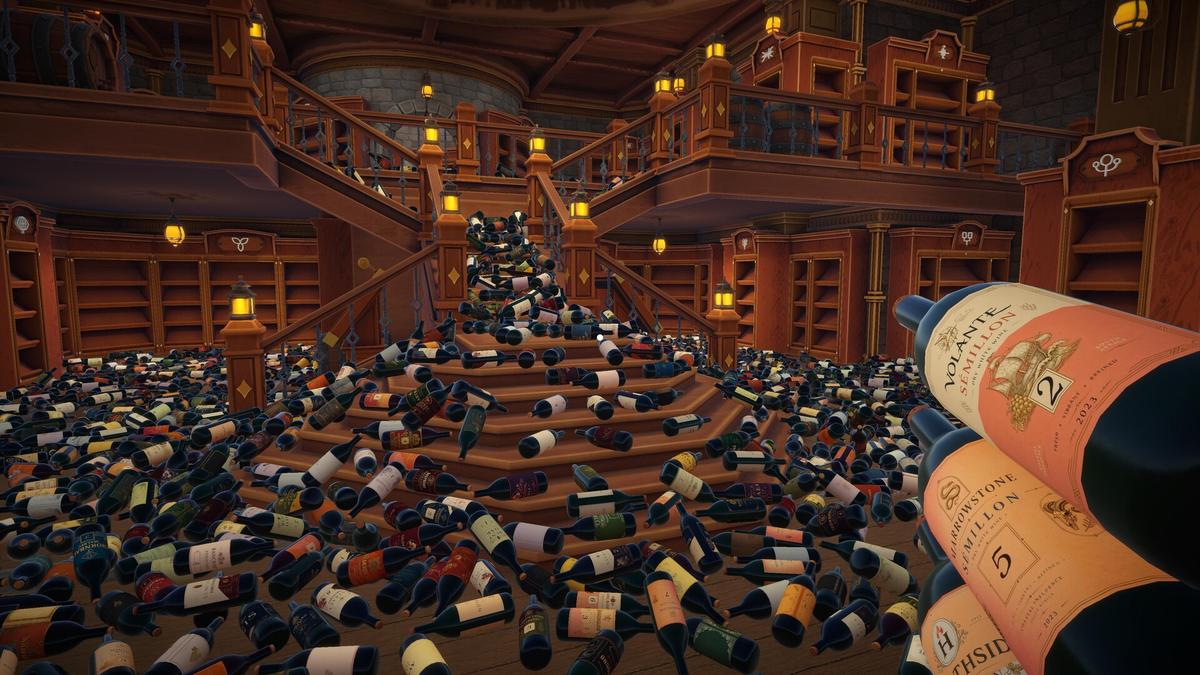
Image from a trending sorting game, showcasing the visual appeal of organized items.