Designing Engaging RPG Companions: Dark Heresy Insights

Key Takeaways
- •The Foundation: Why Companions Matter in RPG Design
- •Crafting Unique Companion Archetypes
- •Key Elements for Archetype Design:
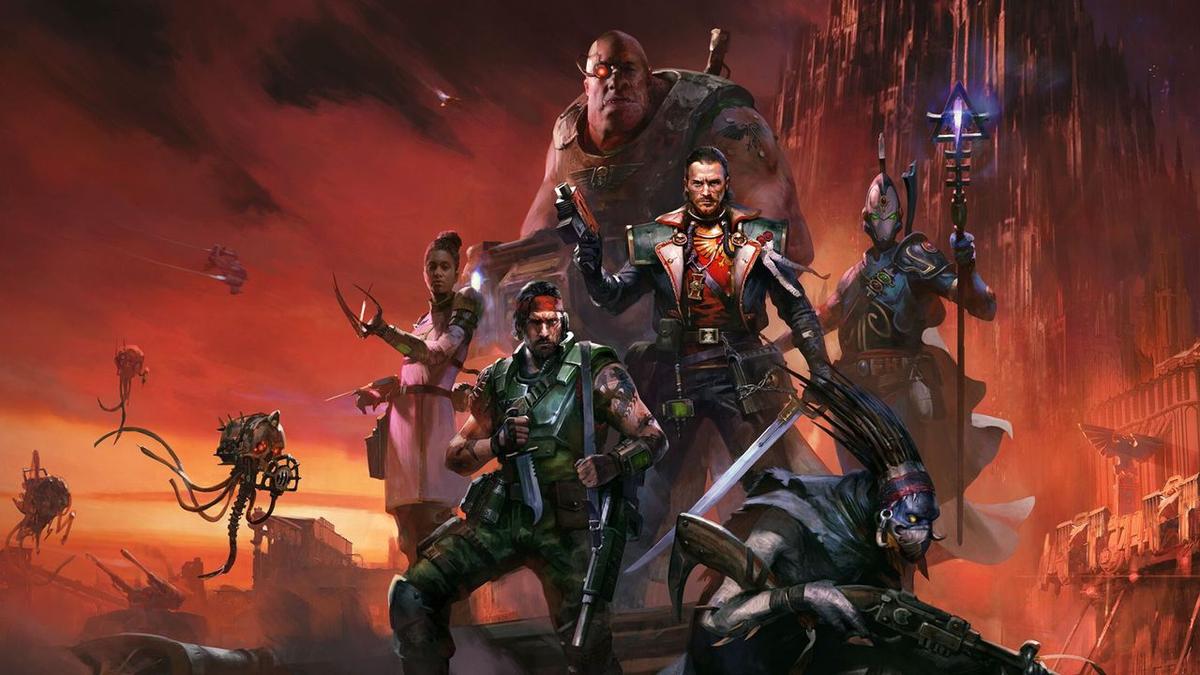
As a game developer, one of the most powerful tools in your arsenal for creating a memorable Role-Playing Game (RPG) is the companion system. These aren't just extra bodies in a fight; they are integral to world-building, narrative depth, and player engagement. The recent news about Warhammer 40,000: Dark Heresy allowing players to recruit a "space elf pirate" and "holy psychics whose lives are nasty, brutish, and short" immediately highlights the potential for distinct, character-rich companions. This guide will break down the design principles behind creating such engaging companion systems, drawing inspiration from these intriguing archetypes.
The Foundation: Why Companions Matter in RPG Design
Companions serve multiple critical functions in an RPG. First, they can fill mechanical gaps in a player's party, offering diverse combat roles, utility skills, or spellcasting. Second, and arguably more importantly, they are narrative vehicles. They provide lore, react to story events, offer quests, and can even challenge the player's moral choices. A well-designed companion becomes a virtual friend, a rival, or a mentor, deepening the player's connection to the game world.
Consider the "space elf pirate" from Dark Heresy. This single description conjures a wealth of narrative possibilities: a character potentially torn between loyalty to their race and their pirate past, possessing unique skills suited for both stealth and combat, and harboring a perspective on the grimdark Warhammer 40,000 universe that differs wildly from a human Inquisitor. Similarly, "holy psychics whose lives are nasty, brutish, and short" suggests a tragic, powerful, and potentially volatile ally, whose very existence is a ticking clock, adding urgency and drama to their presence. These aren't just generic followers; they are distinct personalities with inherent story hooks.
Crafting Unique Companion Archetypes
The first step in designing compelling companions is to define their core archetype and how it fits into your game's world. This goes beyond just their combat role. It encompasses their background, motivations, personality, and how they interact with the player and other party members.
Key Elements for Archetype Design:
- Distinct Lore & Background: Every companion should have a unique story that ties into the game's world. The "space elf pirate" is immediately evocative because "space elf" (Aeldari in 40K lore) and "pirate" are specific, yet contrasting, descriptors. This suggests a rich personal history.
- Clear Motivations: Why are they joining the player? Is it for revenge, redemption, power, knowledge, or simply survival? Their motivations should drive their dialogue, questlines, and reactions. The "holy psychics" might be driven by a divine calling, a desperate need for protection, or a desire to understand their own fleeting existence.
- Personality & Voice: Give them a distinct personality. Are they cynical, optimistic, stoic, or impulsive? This needs to be reflected in their dialogue, animations, and even their combat style. Voice acting, if possible, can greatly enhance this.
- Unique Skill Sets: While combat roles are important, consider non-combat skills. A pirate might be excellent at bypassing security or finding hidden caches. A psychic would offer unique ways to interact with the environment or enemies beyond direct damage.
Designing Effective Recruitment Mechanics
How a player acquires a companion is almost as important as the companion themselves. The recruitment process should feel meaningful and align with the companion's character and the game's narrative.
Common Recruitment Methods:
1. Story-Driven: Companions join as a natural part of the main quest progression. This ensures all players encounter key characters.
2. Quest-Based: Players undertake a specific side quest to recruit a companion. This often involves solving a personal problem for the companion, deepening the initial bond.
3. Reputation/Faction-Based: Companions become available after the player achieves a certain standing with a faction or completes specific deeds that align with the companion's values.
4. Encounter-Based: Companions are found in the world, perhaps in distress or needing assistance, leading to an immediate opportunity for recruitment.
The "holy psychics" might require a rescue mission from an oppressive regime, while the "space elf pirate" could be encountered in a shady spaceport bar, offering their services for a price or a shared vendetta.
Here's a simple flowchart for a quest-based recruitment:
Integrating Companions into Narrative and Gameplay
Once recruited, companions shouldn't just become static combat bots. Their presence should constantly enrich the player's experience.
Deep Integration Strategies:
- Dynamic Dialogue: Companions should comment on the environment, react to player choices, and engage in banter with other party members. This makes the world feel alive and their personalities shine.
- Personal Questlines: Beyond recruitment, give companions their own ongoing stories. These quests can explore their past, resolve personal conflicts, or further develop their character. Failing or succeeding in these quests can have lasting impacts on the companion or their relationship with the player.
- Relationship Systems: Implement a system that tracks the player's relationship with companions. This could be simple approval/disapproval, or a more complex affinity system that unlocks new dialogue, abilities, or even romance options.
- Unique Abilities & Synergies: Ensure companions offer distinct combat or utility skills that complement the player's abilities. Design combat encounters where specific companion skills are particularly useful, encouraging players to rotate their party or strategically use their companions. Perhaps the "space elf pirate" has a unique ability to disable enemy shields, while the "holy psychic" can temporarily stun large groups of foes.
Balancing Companion Utility and Player Agency
A common pitfall in companion design is making them either too powerful (trivializing player choice) or too weak (making them feel like dead weight). The goal is to make them valuable assets without overshadowing the player character.
Balancing Considerations:
- Role Definition: Clearly define each companion's role (tank, DPS, support, utility). This helps players understand their strengths and weaknesses.
- Scalability: Ensure companions scale appropriately with the player's progression, either through level-ups, gear, or unlockable abilities.
- AI Customization: Offer players some control over companion AI, allowing them to prioritize certain actions or behaviors in combat.
- Meaningful Choices: Allow players to make choices that impact their companions' development, such as specializing their skills or influencing their moral compass.
Player motivation for selecting companions can be varied, as shown in this pie chart:
The "Nasty, Brutish, and Short" Dilemma: Designing with Impermanence
The description of the "holy psychics whose lives are nasty, brutish, and short" offers a fascinating design challenge: how to incorporate impermanence and tragedy into a companion system.
Design Implications of Impermanence:
- Emotional Impact: A companion with a limited lifespan or high risk of death immediately creates a sense of urgency and emotional attachment. Players will invest more in characters they know they might lose.
- Gameplay Consequences: If a companion's life is genuinely "short," this could mean a timed questline, a series of escalating challenges to prolong their life, or even a mechanic where their powers grow exponentially as their life wanes.
- Narrative Weight: The inevitable loss of such a companion can be a powerful narrative beat, shaping the player character and the ongoing story. It can also open up new quest opportunities related to their legacy.
- Player Choice vs. Predetermination: Decide whether the "short" life is a predetermined narrative element or if player actions can influence it. Giving players agency, even if ultimately futile, can enhance their engagement.
This mechanic, while potentially brutal, resonates deeply with the grimdark nature of Warhammer 40,000. It forces players to confront difficult realities and makes every moment with these companions more precious.
Conclusion: Companions as Cornerstones of RPG Experience
Designing engaging companions is about more than just adding more bodies to the screen; it's about enriching the player's journey with diverse personalities, compelling narratives, and meaningful gameplay choices. From the roguish charm of a "space elf pirate" to the tragic power of a "holy psychic," Warhammer 40,000: Dark Heresy's approach exemplifies how unique character concepts can serve as powerful starting points for deep and impactful companion systems. By focusing on distinct archetypes, thoughtful recruitment, narrative integration, and careful balancing, developers can craft companions that players will remember long after their adventures conclude. Invest in your companions, and you invest in the heart of your RPG.
At White Cube Studios, we translate technical architecture into shipping systems across our specialized development pillars: