August 7, 2026
8 min read
Designing Endgame Romance: Crafting Engagement Rings in Life-Sims
Key Takeaways
- •The Significance of Endgame Romance in Life-Sims
- •Designing the Engagement Ring Crafting System
- •1. Defining Core Components
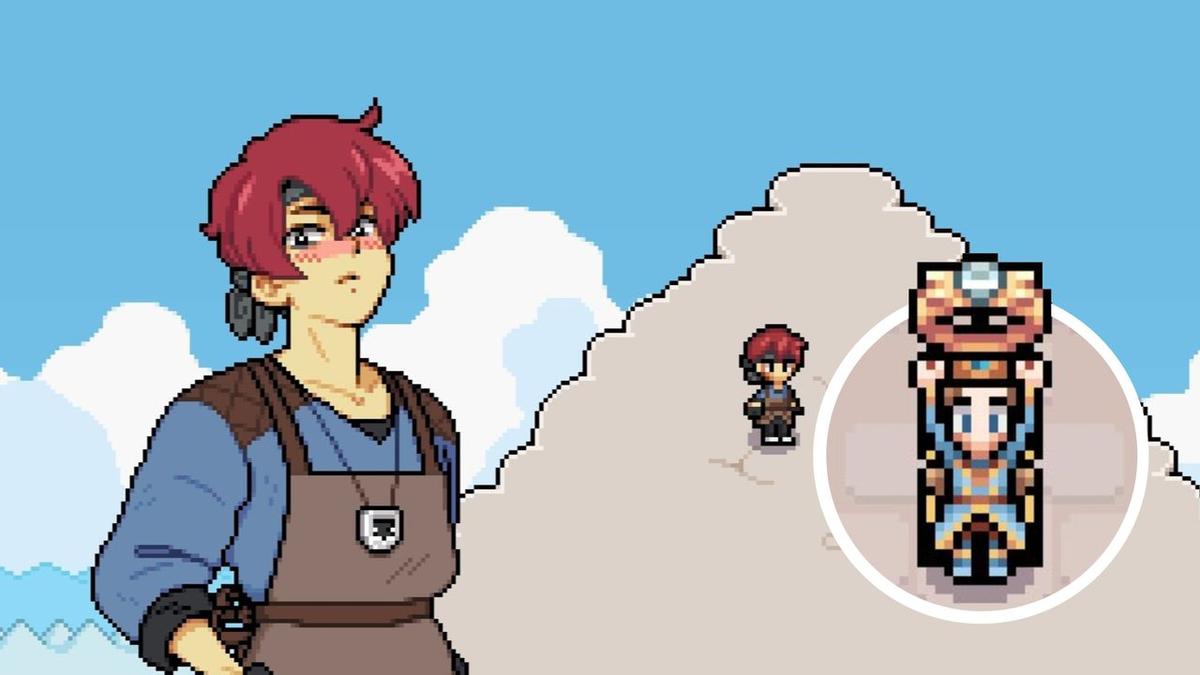
As game developers, we constantly seek ways to deepen player engagement and provide meaningful long-term goals. In the realm of life-simulation RPGs, romance and marriage often serve as pivotal "endgame content," a capstone to hours of relationship building and character development. The act of crafting an engagement ring, as seen in titles like Fields of Mistria, is a prime example of how intricate crafting systems can intertwine with social mechanics to create a truly memorable player experience.
This guide will break down the design considerations and player-facing mechanics involved in implementing such a system, providing insights into how developers can craft compelling "endgame" objectives that resonate with players' emotional investment in their in-game relationships.
The Significance of Endgame Romance in Life-Sims
In many life-simulation games, the journey from initial acquaintance to marriage is a core progression path. It's not just about finding a partner; it's about building a life, a home, and a future within the game world. The scraped information for Fields of Mistria highlights this perfectly: "Oh no, when I said he was 'endgame' I didn't realize marriage was also very endgame content." This sentiment underscores that marriage, and by extension, the engagement ring, represents a significant milestone, often requiring substantial effort and investment from the player.
From a design perspective, making marriage "endgame content" means it should:
- Require significant player investment: This includes time, resources, and often skill progression.
- Offer a clear sense of achievement: The reward isn't just a new status, but often new gameplay elements, character interactions, or narrative arcs.
- Integrate multiple game systems: Social links, crafting, resource gathering, and even combat or exploration might feed into the goal.
The engagement ring, therefore, becomes a tangible symbol of this journey, a physical representation of the player's dedication and success.
Designing the Engagement Ring Crafting System
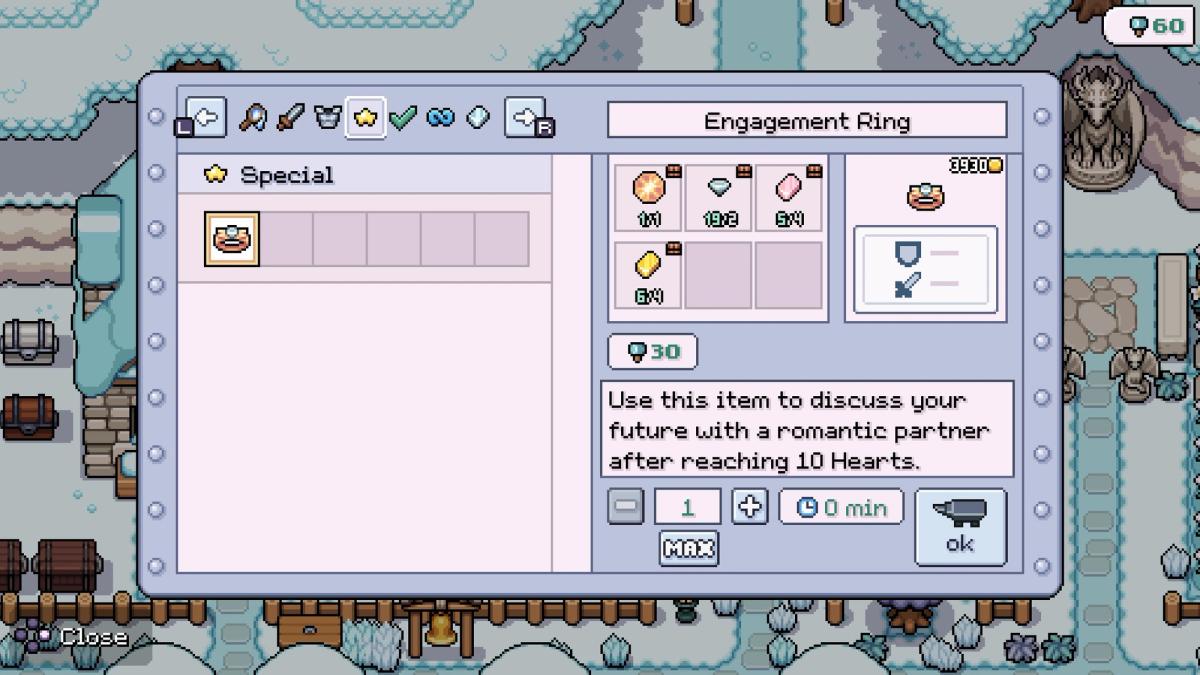
Crafting an engagement ring in a life-sim game like Fields of Mistria isn't just about combining a few items. It's a multi-stage process that leverages various game systems to create a satisfying challenge. Developers must consider material acquisition, skill requirements, and the emotional weight of the final product.
1. Defining Core Components
For an engagement ring, developers typically think of three main categories of components:
- Precious Metal: The band of the ring. This usually requires mining and refining.
- Rare Gemstone: The centerpiece. This often involves deeper exploration, specific monster drops, or rare vendor finds.
- Specialized Catalyst/Tool: A unique item or advanced crafting station required for the final assembly, signifying the "mastery" aspect.
The specific names and aesthetics of these items will, of course, be tailored to the game's lore and art style. For instance, in a fantasy setting, players might seek "Mithril Ore" and a "Star Sapphire," while a modern life-sim might require "Platinum Ingot" and a "Flawless Diamond."
2. Layered Material Acquisition
To ensure the "endgame" feel, the materials for an engagement ring should not be easily obtainable. Their acquisition should span various game activities, encouraging players to engage with different facets of the game world.
Here's a breakdown of common acquisition methods:
- Mining and Ore Refinement:
- Players typically need to find rare ore veins in advanced mining areas.
- This often requires upgraded tools (e.g., a "Master Pickaxe") and a higher Mining skill level.
- The raw ore then needs to be smelted into ingots at a dedicated furnace or forge, potentially requiring a Blacksmithing or Metallurgy skill.
- Exploration and Discovery:
- Rare gemstones might be found in hidden caves, deep dungeons, or as drops from challenging enemies.
- This encourages players to explore hazardous zones they might have previously avoided.
- Sometimes, these gems are tied to specific weather events or lunar cycles, adding another layer of challenge and discovery.
- Farming and Gathering:
- While less common for direct ring components, some games might require rare plants or animal products for a "polishing agent" or "enchanting dust."
- This ties into the farming and animal husbandry systems of the game, rewarding players who have diversified their activities.
- Vendor Purchases:
- Occasionally, a very rare component might be available from a traveling merchant or a hidden vendor, but usually at an exorbitant price, requiring significant in-game currency.
- This adds a layer of economic challenge and rewards players who have diligently managed their finances.
- Quest Rewards:
- Some games might gate a crucial component behind a long, multi-stage questline that tests the player's overall proficiency in the game. This can involve puzzles, combat, or complex fetch quests.
A typical scene in a life-sim game, where exploration and resource gathering are key to progression.
3. Skill Progression and Crafting Stations
The act of crafting the ring itself should also be a challenge, not just a simple button press. This typically involves:
- High Crafting Skill Requirements:
- Players will need to have invested heavily in a relevant crafting skill, such as Jewelcrafting, Blacksmithing, or even Enchanting.
- This ensures that only dedicated players who have mastered the game's crafting systems can achieve this endgame goal.
- Skill levels can gate not just the ability to craft, but also the quality of the crafted item, potentially leading to "Perfect Engagement Rings" with added bonuses.
- Specialized Crafting Stations:
- The engagement ring should not be craftable at a basic workbench. It should require a high-tier crafting station, like a "Master Jeweler's Bench" or an "Enchanted Forge."
- These stations themselves might be endgame unlocks, requiring their own set of rare materials and construction efforts.
Here's a simplified flowchart of a typical engagement ring crafting process:
The Player Journey and Emotional Resonance
Beyond the mechanics, the most crucial aspect of an endgame romance mechanic like the engagement ring is its emotional impact. Developers design these systems to create a sense of personal investment and reward.
1. The Build-Up and Anticipation
The lengthy process of gathering materials and leveling skills builds anticipation. Each step closer to the ring reinforces the player's dedication to their chosen in-game partner. This journey itself becomes part of the love story, a testament to their commitment.
2. The Presentation
The moment the ring is crafted and presented should be a highlight. This might involve:
- A unique cinematic scene.
- Special dialogue options with the NPC.
- A celebratory event or mini-quest.
The outcome should feel earned and significant, validating the player's efforts. The game should acknowledge the gravity of this "endgame" decision.

A vibrant scene from Fields of Mistria, typical of the environments where players would gather resources and build relationships.
3. Post-Engagement Content
An engagement ring is merely the prelude to marriage. As "very endgame content," the successful crafting and presentation of the ring should unlock further gameplay. This could include:
- Wedding planning quests.
- New relationship events and dialogue.
- Access to shared housing or new family mechanics.
- Unique buffs or benefits from the married partner.
This ensures that the engagement ring isn't a dead-end goal but a gateway to a new phase of the game, rewarding the player's long-term commitment.
Balancing Challenge and Reward
A critical design challenge is balancing the difficulty of obtaining the ring with the satisfaction of achieving it. If it's too easy, it loses its "endgame" status. If it's too hard, it can become frustrating.
Consider these factors for balancing:
- Drop Rates: For rare gems, ensure drop rates are low enough to make them feel special but not so low as to be an impossible grind.
- Skill XP Gains: Ensure that skill progression feels steady and rewarding, with clear milestones leading up to the required level.
- Material Diversity: Require materials from diverse activities to prevent players from getting bored doing only one type of task.
Here's a conceptual breakdown of resource acquisition effort:
This chart illustrates how a developer might distribute the effort across different game systems to make the journey diverse and engaging. Mining and exploration often take the largest share, reflecting the need for rare, hidden resources.
Conclusion
The engagement ring in a life-sim RPG like Fields of Mistria is more than just an item; it's a meticulously designed piece of "endgame content" that leverages multiple gameplay systems to deliver a profound emotional and experiential reward. By carefully crafting the requirements for material acquisition, skill progression, and the narrative presentation, developers can create a goal that truly feels earned and deeply meaningful to players investing in their virtual lives. It's a testament to the power of thoughtful game design in fostering long-term player dedication and creating unforgettable in-game memories.