July 31, 2026
8 min read
Crafting Unique Survival Mechanics: Lessons from D&D's Dark Sun
Key Takeaways
- •The Pitfalls of Generic Survival Game Design
- •Dark Sun as a Blueprint for Innovative Survival
- •Resource Scarcity and Adaptation
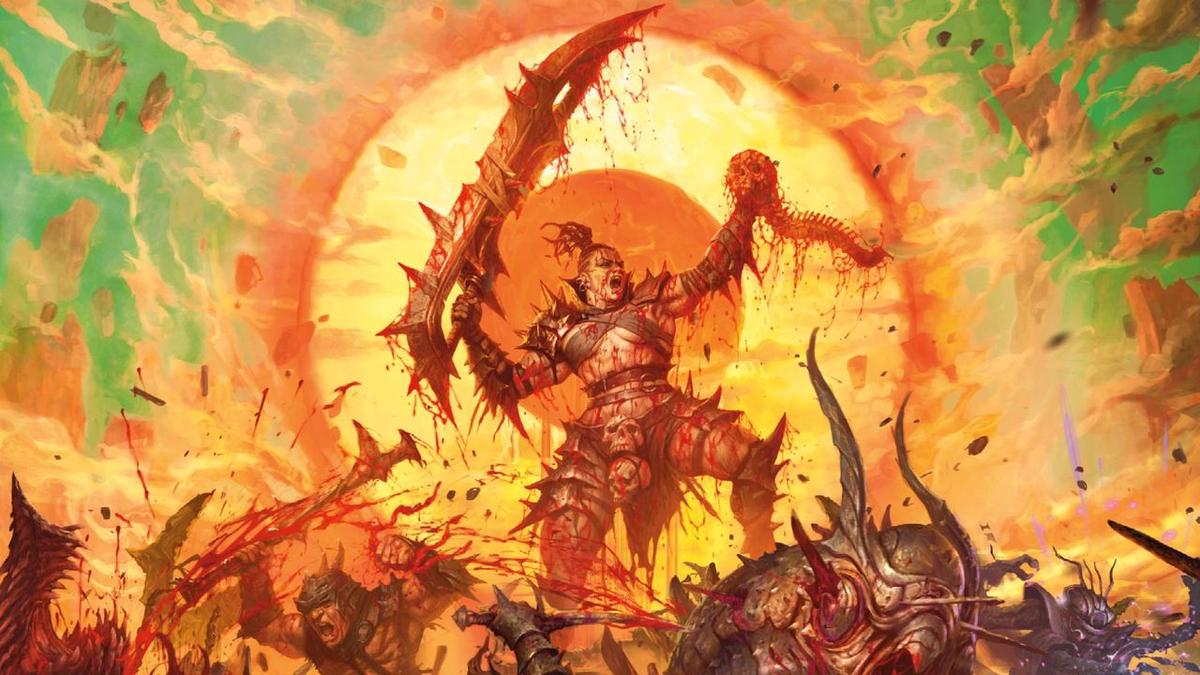
The announcement that Dungeons & Dragons' most "heavy metal" setting, Dark Sun, is returning in 2027, with a specific mention of it being a "survival game where I don't have to punch trees," offers a fascinating premise for game developers. This single phrase encapsulates a critical challenge in the survival genre: moving beyond the often-criticized, repetitive resource-gathering loops that can bog down player experience. As expert game developers, we must always seek to innovate, and Dark Sun's return provides a potent case study for designing truly unique and engaging survival mechanics rooted in a distinct setting.
The Pitfalls of Generic Survival Game Design
For years, the survival genre has thrived on a core loop: gather resources (wood, stone), craft basic tools, build a shelter, hunt/farm for food, and manage hunger/thirst meters. While undeniably effective in establishing foundational gameplay, this pattern has become a pervasive trope. The "punching trees" metaphor highlights the often-mindless grind that can quickly set in, diminishing the sense of genuine struggle and ingenuity that survival games are meant to evoke. Players often find themselves performing abstract actions rather than engaging with a world that feels dangerous and responsive.
The primary issue with this generic approach is a lack of meaningful integration between the core survival mechanics and the game's unique setting or narrative. When gathering wood feels the same whether you're on a deserted island or a post-apocalyptic wasteland, the environment loses its agency. True survival should be an emergent narrative, driven by the player's interaction with a distinct world, not just a series of universal meter management tasks. Our goal as designers should be to create systems where the "how" of survival is as interesting as the "what."
Dark Sun as a Blueprint for Innovative Survival
Dark Sun, with its brutal, post-apocalyptic fantasy setting, presents an ideal canvas for redefining survival mechanics. Athas, the world of Dark Sun, is a dying planet scarred by ancient magic, where water is more precious than gold, metal is rare, and psionics are commonplace. This extreme scarcity and unique lore can directly inform game mechanics, pushing players beyond simple resource collection into strategic adaptation, social maneuvering, and environmental mastery.
Resource Scarcity and Adaptation
In a world where metal is scarce, wood is petrified, and water is a luxury, the traditional "punch a tree, mine a rock" loop is instantly rendered nonsensical. This forces designers to invent alternative, setting-appropriate methods for resource acquisition. Players might need to:
- Scavenge ancient ruins: Instead of mining, players could explore dangerous, sand-blasted cities for remnants of past civilizations, yielding rare materials or technology.
- Extract vital resources: Perhaps water isn't just "found" but must be distilled from strange flora, collected from rare atmospheric phenomena, or even traded for at great risk.
- Utilize unique materials: With metal rare, players might craft weapons and tools from bone, chitin, obsidian, or psionically-infused crystal, each with distinct properties and durability. This not only reinforces the setting but creates a more diverse crafting system.
By tying resource types and acquisition methods directly to the lore, every act of gathering becomes a narrative moment, not just a progress bar filler.
Environmental Hazards and Player Agency
Beyond hunger and thirst, Athas's environment itself is a constant threat. Designers can leverage this to create dynamic challenges:
- Extreme weather: Regular, devastating sandstorms that force players to seek immediate shelter, risk exposure, or utilize specific gear for protection.
- Flora and fauna: Instead of generic wolves and deer, players face monstrous, psionically-gifted creatures. Survival might involve understanding their patterns, using psionic abilities to deter them, or setting complex traps, rather than simply engaging in combat.
- The Sun: Athas's sun is deadly. Exposure could lead to unique debuffs, requiring players to travel by night, seek shade, or develop heat-resistant gear. This adds a strategic layer to exploration and travel.
These elements transform environmental interaction from a passive backdrop to an active, often dangerous, gameplay system that demands player agency and tactical thinking.
Social and Political Survival
Dark Sun is also defined by its brutal social hierarchy, powerful sorcerer-kings, and rampant slavery. Integrating these elements into survival mechanics can create a truly heavy metal experience:
- Faction Reputation: Aligning with certain factions (merchant houses, rebellious slaves, nomadic tribes) could grant access to unique resources, safe havens, or information, but also expose players to new dangers from rival groups.
- Barter and Trade: With traditional currency scarce, bartering goods, services, or even information becomes crucial. Supply and demand could fluctuate based on political events or environmental disasters.
- Psionic Combat and Espionage: Instead of relying solely on physical prowess, players might use psionic abilities to mentally dominate foes, extract information, or bypass physical obstacles, adding depth to social encounters and stealth.
This approach elevates survival beyond personal resource management to a grander scale of geopolitical struggle, where the player's decisions have far-reaching consequences on their ability to endure.
Implementing "No Tree Punching" Mechanics
To truly embody the "no tree punching" philosophy, we need concrete design patterns that replace generic grind with meaningful engagement.
Alternative Resource Acquisition Flow
Consider a flow where resource gathering is a multi-step process involving investigation, risk assessment, and unique interaction:
This diagram illustrates how a player needing a resource is met with choices that involve exploration, social interaction, and overcoming setting-specific challenges, rather than a simple button press. Success or failure leads to distinct outcomes that feed back into the core loop, encouraging dynamic gameplay.
Crafting and Progression Tied to Lore
The crafting system should reflect the world's scarcity and the player's ingenuity. Instead of "wood + stone = axe," consider:
- Obsidian Shard + Bone Handle + Resin = Jagged Obsidian Axe: Each component requires specific, challenging acquisition methods, and the resulting tool might have unique properties (e.g., high damage but low durability, or a chance to inflict bleeding).
- Psionic Resonance + Rare Crystal = Psionic Amplifier: This allows players to enhance their mental abilities, but the components might be found only in dangerous, psionically charged locations or through complex rituals.
- Water Purification Kit (Limited Use): Given water scarcity, clean water might be a crafted commodity from dirty sources, requiring rare components and a specific skill.
Progression should also be less about skill trees and more about adapting to the environment. Gaining "Desert Survival" skill might mean learning how to find hidden oases, track specific creatures, or build better sand shelters, rather than just increasing damage with a sword.
Player Psychology and Engagement
The ultimate goal of innovative survival mechanics is to keep the player engaged, not frustrated by grind. By making every survival action meaningful, tied to the world, and offering choices with consequences, we foster a deeper connection.
- Emergent Storytelling: When a player risks a sandstorm to scavenge a ruin for a rare crystal needed for a vital tool, that's a story. When they have to choose between trading their last valuable item for water or risking a dangerous encounter, that's a moral dilemma.
- Sense of Accomplishment: Overcoming truly unique, setting-specific challenges feels more rewarding than simply filling a meter.
- Strategic Depth: Players are constantly evaluating risks, planning routes, managing relationships, and adapting their approach based on the dynamic world state.
Dark Sun's return as a survival game is an opportunity to push the genre forward. By rigorously adhering to the setting's lore and unique challenges, developers can create survival mechanics that are not only fresh but also profoundly engaging. Moving beyond the "punching trees" paradigm means designing systems where every interaction with the world tells a story, every resource found is a victory, and every choice carries genuine weight. This is how we elevate survival games from repetitive loops to truly immersive and unforgettable experiences.