Crafting Dynamic Worlds: Designing Procedural Magic Systems

Key Takeaways
- •The Essence of Procedural Magic
- •Core Principles of System Generation
- •Designing Interconnectedness and Lore
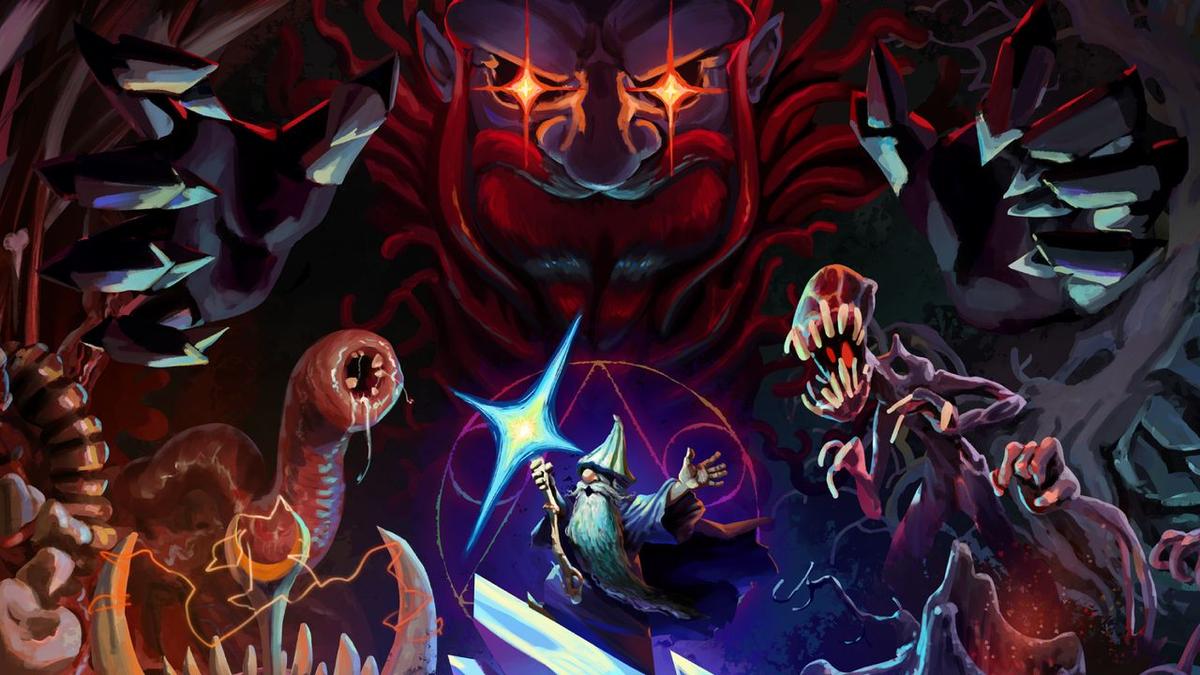
As game developers, we constantly strive to build worlds that feel alive, unique, and endlessly surprising. One of the most exciting announcements recently for fans of deep simulation and emergent gameplay is the upcoming "Myth and Magic" update for Dwarf Fortress. This update promises to introduce the game's first procedural magic system, where "every piece [is] tied into how that particular universe works, down to its bones." This is a monumental task, and it presents a fantastic opportunity to examine the design principles behind creating truly dynamic and integrated magic systems.
Procedural generation is not just about randomizing elements; it's about establishing rules and connections that allow complex, believable systems to emerge. For magic, this means moving beyond static spell lists to a system where magic feels like an intrinsic, evolving part of the world itself.
The Essence of Procedural Magic
At its core, a procedural magic system aims to make magic an organic extension of the game world, rather than a separate, bolted-on mechanic. Instead of pre-defining every spell and magical effect, the system generates these elements based on a set of underlying rules, world attributes, and historical events. This approach ensures that magic isn't just a tool for the player, but a force that shapes the environment, creatures, and cultures within the game.
The beauty of a procedural system, as hinted by the Dwarf Fortress update, lies in its ability to weave magic directly into the fabric of the universe. Imagine a world where the presence of certain minerals influences arcane energies, where the alignment of celestial bodies dictates the potency of rituals, or where the very biology of a creature grants it unique magical properties. This level of integration elevates magic from a mere gameplay mechanic to a fundamental aspect of world-building, fostering a deeper sense of immersion and discovery for players.
Core Principles of System Generation
Designing a procedural magic system requires a robust framework that can generate consistent and logical magical elements. Here are some fundamental principles to consider:
- Foundation Elements: Start with elemental or conceptual building blocks. These could be traditional elements (fire, water, earth, air), cosmic forces (light, shadow, void), or abstract concepts (life, death, order, chaos). These foundations will inform the properties and interactions of all generated magic.
- Relational Logic: Define how these foundation elements interact. Do fire and water cancel each other out? Does earth combine with air to create storms? These relationships form the grammar of your magic system.
- Contextual Influence: Magic should be influenced by its environment. A desert region might generate fire-based magic more readily, while a deep forest could favor earth or nature spells. Geological features, climate, and even local fauna can serve as inputs for magic generation.
- Tiered Complexity: Begin with simple magical effects and gradually build complexity. Basic elemental spells can combine to form more advanced ones, or rituals might require multiple components derived from different magical principles.
This diagram illustrates a simplified flow for generating a procedural magic system:
Designing Interconnectedness and Lore
The most crucial aspect of making procedural magic feel authentic is its interconnectedness with the game's lore and other systems. As Dwarf Fortress aims for, magic should be "tied into how that particular universe works, down to its bones."
- Mythological Roots: Procedurally generate myths and legends around magical phenomena. If a specific mountain range emits a strange energy, generate stories about ancient gods or powerful beings associated with it. These narratives provide depth and justify the magic's existence within the world.
- Societal Impact: How does magic influence the civilizations within your game? Does it shape their architecture, their societal structure, or their conflicts? A world where magic is common will develop differently from one where it's rare and mysterious.
- Ecological Integration: Magic shouldn't just be cast by players; it should affect the ecosystem. Magical radiation might mutate creatures, enchant plants, or alter weather patterns. This creates dynamic challenges and opportunities for exploration.
- Economic Implications: Are magical resources rare and valuable? Do certain creatures produce magical components? Integrating magic into the game's economy adds another layer of depth and consequence.
Consider how magic can influence various facets of your game world:
Balancing Predictability and Surprise
A common challenge in procedural generation is striking the right balance between a system that feels coherent and one that still offers genuine surprises. Too much randomness can lead to a chaotic, nonsensical world, while too much predictability can make it feel sterile.
- Rule-Based Emergence: Establish strong, consistent underlying rules, but allow for emergent properties. For example, a fire spell might always burn, but the intensity or spread could be influenced by dynamic factors like wind speed, humidity, or the magical properties of the target material.
- Anomaly Generation: Incorporate a small chance for anomalies or 'glitches' in the magical fabric. These could be rare, unpredictable events that defy the established rules, creating unique quests or environmental hazards. These anomalies should be rare enough to be surprising, but not so frequent as to break immersion.
- Player Experimentation: Encourage players to experiment with the magic system. Provide tools or hints that allow them to deduce the underlying rules, but leave room for them to discover unforeseen combinations or effects through trial and error. This fosters a sense of agency and mastery.
- Feedback Loops: Implement feedback loops where player actions or world changes influence the magic system. A player repeatedly using dark magic in a region might cause corruption, leading to new magical creatures or altered environmental effects.
Implementation Challenges and Solutions
Developing a procedural magic system is technically demanding. Here are some key challenges and potential solutions:
- Performance: Generating complex magical effects and their world interactions can be computationally intensive.
- Solution: Employ deferred generation, generating details only when players enter a specific area. Utilize caching mechanisms for stable magical phenomena. Optimize algorithms for efficient rule processing.
- Data Management: Tracking the state and properties of countless procedurally generated magical elements requires robust data structures.
- Solution: Use component-based architectures for magical entities. Implement a hierarchical data model where general magical principles filter down to specific instances.
- Debugging and Balancing: Unforeseen interactions can lead to overpowered spells or broken mechanics.
- Solution: Develop comprehensive logging and visualization tools to track magical processes. Implement automated testing with a wide range of scenarios. Allow for dynamic tuning of parameters during runtime for rapid iteration.
- Player Understanding: Players need to be able to grasp the system, even if it's complex.
- Solution: Design intuitive UI elements that convey magical properties and effects. Incorporate in-game encyclopedias or lore entries that explain the underlying principles. Provide clear visual and auditory feedback for magical interactions.
The Player Experience
Ultimately, the goal of a procedural magic system is to enhance the player's experience. When magic feels deeply integrated and dynamic, it transforms how players interact with the world.
- Sense of Discovery: Every playthrough can offer new magical discoveries, making exploration and experimentation rewarding. Players might uncover unique spells, rare magical artifacts, or previously unknown magical phenomena.
- Emergent Storytelling: The dynamic nature of the magic system can lead to unique, emergent narratives. A magically altered landscape could become the setting for a player's personal saga, or a rare magical creature could become the focus of a long-term quest.
- Strategic Depth: Understanding the procedural rules allows for deeper strategic play. Players can exploit magical weaknesses, combine spells in novel ways, or even attempt to manipulate the magical fabric of the world to their advantage.
- Replayability: A truly procedural system ensures that no two playthroughs are exactly alike. The magic system itself becomes a source of endless variation, encouraging players to return to the game again and again.
The Dwarf Fortress "Myth and Magic" update is evidence of the potential of procedural generation in creating truly immersive and reactive fantasy worlds. By focusing on deep integration, relational logic, and emergent properties, developers can craft magic systems that are not just lists of spells, but living, breathing forces that shape the very essence of their game universe. This approach moves beyond simple randomization, offering a blueprint for future fantasy games seeking to push the boundaries of world-building and player agency.
At White Cube Studios, we translate technical architecture into shipping systems across our specialized development pillars: