August 21, 2026
6 min read
Compulsion Games' Independence: A Dev's Blueprint for Creative Freedom
Key Takeaways
- •The Journey to Independence: A Rare Reversal
- •Why Creative Control is Paramount for Developers
- •The Business of Independence: Risks and Rewards
As game developers, we often dream of striking out on our own, building a studio, and crafting games exactly as we envision them. But the reality of funding, publishing, and scaling often leads to complex relationships with larger entities. That's why the recent news about Compulsion Games officially separating from Xbox is not just a headline, but a powerful case study for creative independence in our industry.
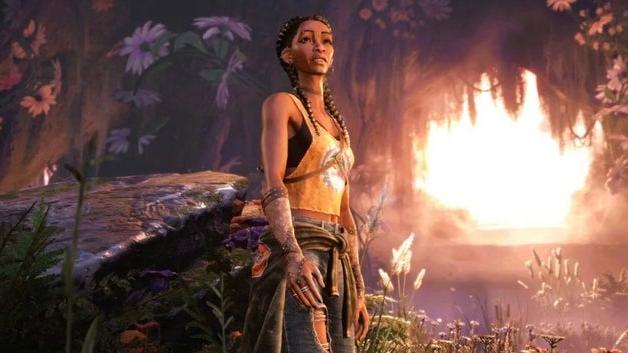
This isn't your typical acquisition story; it's a de-acquisition, a management buyout (MBO) that sees the We Happy Few and South of Midnight developer return to its independent roots. For many of us in the trenches, this move by Compulsion Games and its management, acquiring both the studio and its staff, represents a beacon of hope for maintaining artistic integrity and control in an increasingly consolidated industry.
The Journey to Independence: A Rare Reversal
In a world where mega-corporations are constantly acquiring studios, seeing a developer actively separate from a major publisher like Xbox is a rare and significant event. Compulsion Games joined Xbox Game Studios in 2018, bringing their unique blend of narrative and art direction into the fold. Now, eight years later, they’ve made the bold move to reclaim their autonomy.
The GamesIndustry.biz report quotes the team's strong sentiment: "The team told me we would rather eat rocks and drink gasoline than be split up." This powerful statement underscores the deep commitment to their collective identity and creative vision. It’s a testament to the idea that for some studios, the value of staying together and steering their own ship outweighs the perceived security or resources offered by a larger corporate umbrella.
Let's visualize this journey:
This path is not common, and it speaks volumes about the studio's culture and determination.
Why Creative Control is Paramount for Developers
For developers, especially those known for distinct artistic styles and strong narrative voices like Compulsion Games, creative control is often non-negotiable. While being part of a larger publisher can provide financial stability, marketing muscle, and access to advanced tech, it can also come with:
- Creative Directives: Sometimes, a publisher's broader portfolio strategy might influence a studio's creative choices, potentially diluting its unique vision.
- Production Timelines: External pressures for release dates or specific milestones might compromise development quality or developer well-being.
- Resource Allocation: A studio might find itself competing for resources within a large organization, rather than having full control over its own destiny.
- IP Ownership: While the article states Compulsion's management acquired the studio and staff, the specifics of IP ownership for South of Midnight (developed under Xbox) would be a critical detail for the studio's future. The Kotaku article about Double Fine regaining publishing rights for games made under Xbox highlights how complex IP can be even within a parent company. For Compulsion, a full separation likely implies a clear path forward for their new projects.
The decision to become independent again suggests that Compulsion Games values the freedom to make all strategic and creative decisions in-house, fostering an environment where innovation isn't constrained by external corporate mandates.
The Business of Independence: Risks and Rewards
Separating from a major publisher, especially one as formidable as Xbox, is a significant business undertaking. It involves:
- Securing Funding: An MBO requires substantial capital. This could come from private investment, debt financing, or even crowdfunding (though less likely for a studio of this size post-Xbox).
- Building a Publishing Infrastructure: Compulsion Games will now need to handle its own publishing, marketing, distribution, and community management, or partner with an independent publisher. This is a substantial operational shift from being part of a larger ecosystem.
- Talent Retention: While the article notes management acquired the staff, ensuring long-term talent retention without the backing of a large corporation's benefits and stability can be a challenge. However, the team's "eat rocks and drink gasoline" quote suggests strong internal cohesion.
Despite these challenges, the rewards can be immense:
- Full Financial Upside: As an independent entity, the studio retains a larger share of its game's revenue.
- Agility and Flexibility: Smaller, independent studios can often pivot faster, experiment more freely, and respond to market changes without layers of corporate approval.
- Stronger Brand Identity: The studio can cultivate its own distinct brand, directly connecting with its audience and building a loyal fanbase based on its unique creative output.
- Employee Morale and Ownership: A return to independence can boost morale, fostering a stronger sense of ownership and purpose among the team.
Lessons for Aspiring and Established Developers
This move by Compulsion Games offers several critical takeaways for all game developers:
1. Define Your Vision Early: Having a clear, unwavering creative vision and a strong studio culture can be your most valuable asset, even when navigating complex corporate structures.
2. Understand Your Value: Compulsion Games clearly understood its unique contribution and brand appeal, giving it leverage to pursue an independent path.
3. Team Cohesion is Key: The reported sentiment of the team highlights the importance of a unified vision and strong internal relationships. A team that's willing to "eat rocks and drink gasoline" together is a formidable force.
4. Strategic Flexibility: The gaming landscape is constantly changing. Being able to adapt your business model, whether it's seeking acquisition or re-establishing independence, is crucial for long-term survival and success.
5. The Power of IP: While the specifics of South of Midnight's IP after this separation are not detailed in the article, this event generally underscores the importance of IP control. For developers, understanding and negotiating IP rights is paramount, whether you're an indie or part of a larger group.
The Future of Compulsion Games and Studio Autonomy
Compulsion Games' independence marks an exciting new chapter for the studio. It sends a powerful message to the industry: that creative freedom and studio identity can sometimes be best preserved outside the confines of mega-publishers. This isn't to say that all studio acquisitions are bad, or that independence is always easy, but it highlights a viable, albeit challenging, alternative path.
For us, as game developers, it's a reminder to continually evaluate our own paths, to understand the trade-offs between stability and autonomy, and to fight for the creative environments where our best work can truly flourish. The industry needs diverse voices and varied business models to thrive, and Compulsion Games has just demonstrated one of the most compelling ways to secure that future. We'll be watching their next steps with great interest.
Disclaimer: The information in this blog post is based on the provided article from GamesIndustry.biz. Specific financial or legal details of the MBO are not available in the source material.