July 4, 2026
5 min read
Carcass Clad: Deconstructing the 'Friendsweat' Co-op Tank
Key Takeaways
- •Inside the Yksiö: Diegetic Controls and Spatial Claustrophobia
- •Asymmetric Roles and the Communication Bottleneck
- •Systemic Resource Scarcity and the Green Lion Cult
When Wrong Organ released Mouthwashing in 2024, they established themselves as masters of low-fidelity psychological dread. The game’s linear, narrative-focused descent into madness resonated deeply with indie horror fans. However, for their follow-up title Carcass Clad, the Swedish studio has shifted gears. Revealed at the PC Gaming Show in June 2026 and published by CRITICAL REFLEX, the game is a cooperative experience that focuses heavily on mechanical systems, diegetic design, and player coordination.
Instead of navigating the corridors of a dying spaceship, players find themselves inside the Yksiö, a vintage Finnish tank. They must navigate the ruined, war-torn city of Vhorgorod, battling grotesque bio-mechanical monstrosities. The core loop revolves around scarce resources, tactile controls, and a concept the developers call "friendsweat." This shift from scripted narrative to systemic, player-driven chaos marks a fascinating evolution in horror game design.
Inside the Yksiö: Diegetic Controls and Spatial Claustrophobia
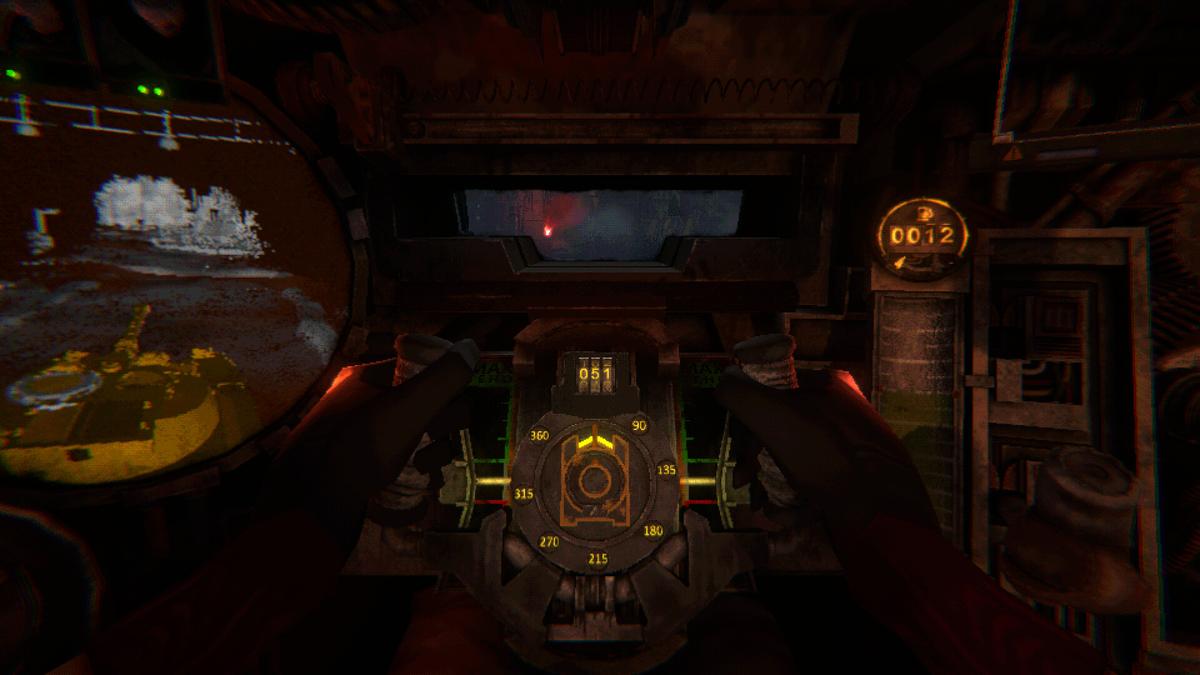
At the heart of Carcass Clad is the Yksiö, a claustrophobic steel box that players must operate. Operating the tank is a far cry from the simplified controls of arcade games or the dry simulations of hardcore military titles like Arma. Instead, the controls are fully diegetic. To steer, accelerate, or load a shell, players must manually interact with individual levers, gears, valves, and dials.
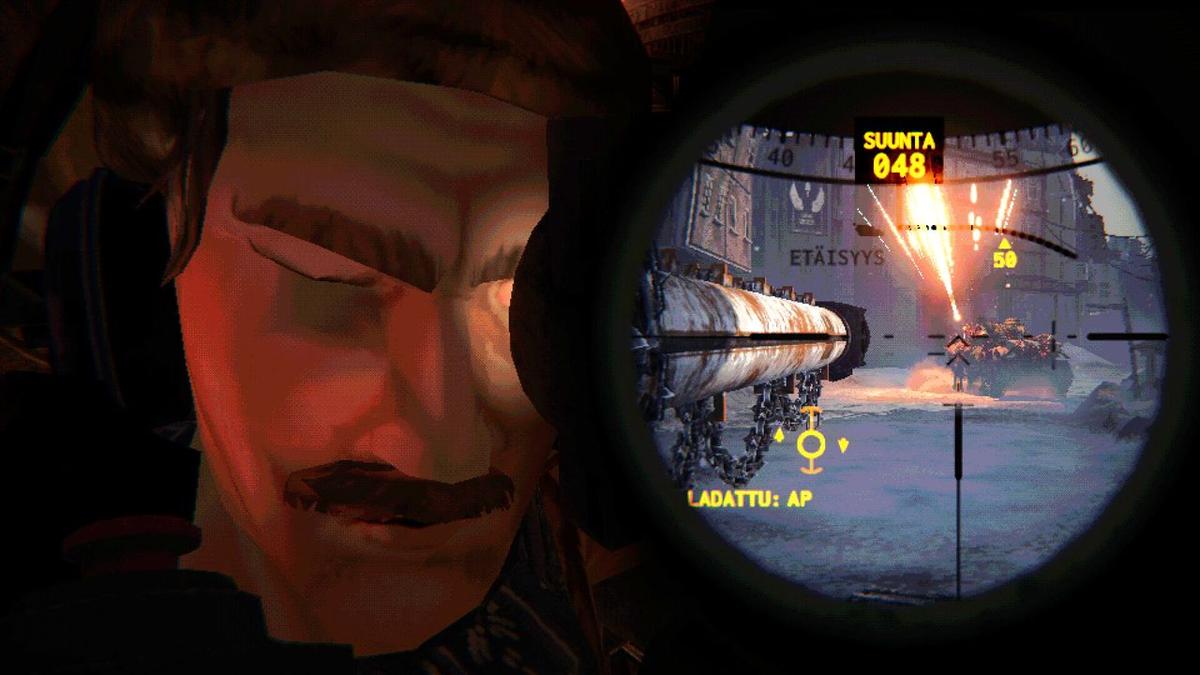
This extreme tactile feedback is designed to build panic. When an enemy vehicle approaches, you cannot simply press a key to shift gears. You must grab the lever, shift it, and monitor the engine pressure. Crucially, the crew’s visibility is severely restricted. The tank’s hull is sealed, leaving players with only tiny viewports, periscopes, or scope views to observe the outside world. This lack of visual information transforms the game into a spatial puzzle where communication is the only way to build a mental map of the battlefield.
Asymmetric Roles and the Communication Bottleneck
Survival in Carcass Clad depends entirely on the coordination of a three-player crew. The developers have structured the crew into three distinct, highly asymmetric roles:
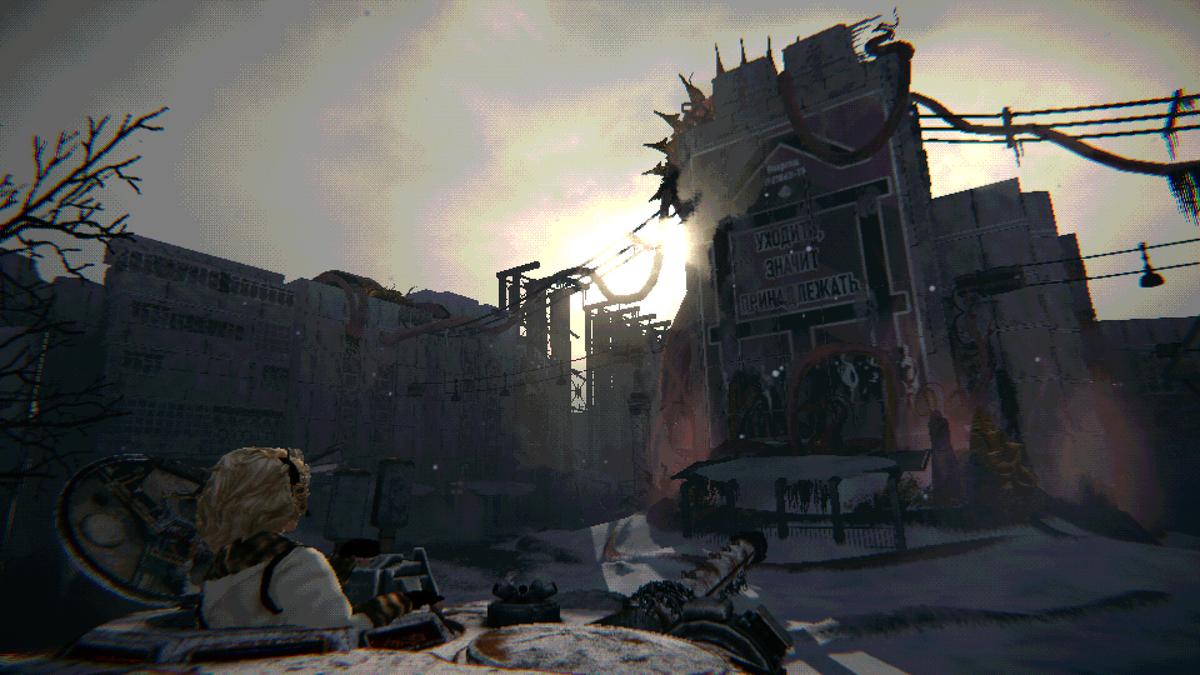
- The Commander: This player occupies the top hatch and has access to the periscope and range finder. The Commander has the most information about the tank's surroundings, enemy positions, and obstacles. However, the Commander has zero direct control over the tank's movement or weapon systems. Their only tool is their voice.
- The Driver: Tasked with steering, shifting gears, managing engine power, and monitoring fuel levels. The Driver has a tiny, front-facing viewport that offers almost no lateral visibility, forcing them to rely on the Commander's navigational instructions.
- The Gunner: Responsible for targeting enemies, loading ammunition, and firing the main cannon. The Gunner’s view is limited to the gun scope, which moves slowly and has a narrow field of vision. They cannot see threats approaching from the sides or rear without the Commander warning them.
This structural division of labor creates an intentional bottleneck of information. The Commander sees the threat but cannot act; the Driver and Gunner can act but cannot see. When communication breaks down under pressure, the result is "friendsweat"—the frantic, sweat-inducing realization that your crew is fumbling controls while a horrific beast crawls over the hull.
Systemic Resource Scarcity and the Green Lion Cult
The ruined city of Vhorgorod is a hostile environment occupied by the Green Lion cult. This faction utilizes "divine livestock"—biological, chimeric remains—to graft organic, squishy armor onto their vehicles. This bio-mechanical horror aesthetic directly influences combat mechanics, as players must identify weak points in the fleshy armor of enemy vehicles to avoid wasting ammunition.
Ammunition and fuel are incredibly scarce resources in Carcass Clad. Tense skirmishes are punctuated by dangerous scavenging runs, where players must step out of the relative safety of the Yksiö to search ruined buildings. This creates a compelling risk-reward loop: engaging in combat drains your limited ammunition, but avoiding it might prevent you from reaching fuel caches.
Game Design Analysis: Panic as a Cooperative Mechanic
From a design perspective, Carcass Clad succeeds by weaponizing cooperative friction. Games like Keep Talking and Nobody Explodes and Spaceteam proved that dividing information and execution is a great way to generate social panic. Wrong Organ takes this design theory and applies it to psychological horror.
Unlike multiplayer games that aim for power fantasies or smooth, friction-free agency, Carcass Clad deliberately slows down and complicates player actions. The tank's physical weight and sluggish responsiveness are calibrated to contrast with the high stakes of survival. It forces players to accept vulnerability, and in doing so, makes every successful shot and escape feel incredibly rewarding.

A Bold Evolution for Wrong Organ
Carcass Clad represents a bold step forward for Wrong Organ. By combining the low-fidelity body horror of Mouthwashing with highly polished, asymmetric cooperative systems, the studio is carving out a unique niche in the indie landscape. For players looking to test the strength of their friendships in the claustrophobic confines of a diesel-punk tank, the game is now available to wishlist on Steam.