July 5, 2026
7 min read
Beyond Wishlists: The True Power of Game Demos for Developers
Key Takeaways
- •The Apparent Disconnect: Raw Numbers vs. Real Impact
- •Why Demos Remain Indispensable
- •Optimizing Your Demo Strategy
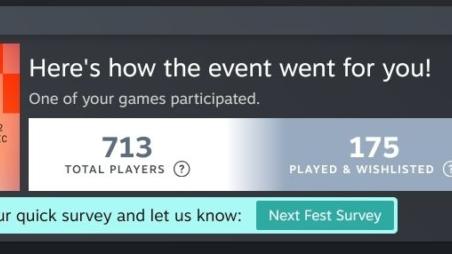
As game developers, we pour our hearts and souls into creating experiences, and a crucial part of getting those experiences into players' hands is effective marketing. One tool that consistently comes up in discussions is the game demo. But there's a fascinating paradox surrounding demos that many developers grapple with: the seemingly low direct wishlist conversion rate from players who try your demo.
A recent article from How To Market A Game perfectly encapsulates this sentiment, stating: "If you look at the raw numbers, it seems like demos do not directly lead to wishlists. But demos are still the most powerful marketing tool for generating wishlists." This isn't a contradiction; it's a call to understand the nuanced, multi-faceted value a demo brings, extending far beyond a simple conversion metric. As a fellow developer, I want to dive into why this paradox exists and how we can truly leverage demos to our advantage.
The Apparent Disconnect: Raw Numbers vs. Real Impact
When we look at analytics, it's easy to get discouraged. You might see thousands of demo downloads, but only a fraction of those players convert into wishlists immediately after playing. This can lead to the conclusion that demos are ineffective, a time sink, or not worth the development effort. However, this perspective misses the bigger picture of player psychology and the intricate web of game marketing.
The How To Market A Game article highlights that demos tend to attract a specific type of player. These aren't necessarily the casual browsers who wishlist every intriguing title they see. Instead, demo players are often:
- Explorers: Players actively seeking out new experiences, willing to invest time to try before they buy.
- Skeptics: Those who need to be convinced by gameplay, not just trailers or screenshots.
- Community Builders: Players looking for games to engage with, provide feedback on, and potentially champion.
These players engage with your game on a deeper level. Their journey from demo to purchase, or even to a wishlist, isn't always linear or immediate. They might play the demo, enjoy it, but then wait for reviews, talk to friends, or simply add it to a mental backlog rather than hitting the wishlist button right away. The direct conversion rate might be low, but the quality of engagement is high.
Why Demos Remain Indispensable
Despite the tricky wishlist numbers, demos are, as How To Market A Game asserts, arguably the most powerful marketing tool. Here's why:
- Authentic Engagement: A demo is the ultimate proof of concept. It lets players experience your core gameplay loop, art style, and overall feel. This builds trust and sets realistic expectations, reducing the likelihood of negative reviews post-launch.
- Invaluable Feedback: There's no substitute for real player data. Demos provide critical insights into bugs, difficulty spikes, confusing mechanics, and areas of delight. This feedback loop is gold for iterative development and polishing your game.
- Press and Influencer Coverage: Journalists and content creators are constantly looking for new games to cover. A polished, accessible demo makes their job easier and significantly increases your chances of getting noticed. They can actually play your game, not just watch a trailer.
- Community Building: Demos foster a sense of involvement. Players who try your demo and offer feedback become early advocates. They're invested in your game's success and are more likely to spread the word.
- Algorithmic Boost: Platforms like Steam often feature demos during events like Steam Next Fest, giving your game significant visibility it might not otherwise achieve. Even if direct wishlists are low, the sheer number of impressions and plays can signal to the algorithm that your game is relevant.
- Setting Expectations: By allowing players to experience the game firsthand, you clarify what your game is. This helps attract the right audience and deters those who might have misunderstood its genre or mechanics from a trailer alone.
Let's visualize the typical paths a player might take after playing your demo:
This chart illustrates that a significant portion of demo players contribute value in ways not immediately captured by a direct wishlist conversion metric. They might become purchasers later, offer vital feedback, or act as organic marketers.
Optimizing Your Demo Strategy
Knowing that demos offer more than just immediate wishlists, how can we, as developers, maximize their impact?
1. Clear Call to Action (CTA): While direct wishlists aren't the only goal, make it easy for players to wishlist if they want to. Include clear prompts within the demo or at its conclusion.
2. Focus on Core Loop: Your demo should highlight the most compelling aspects of your game. It's not about showing everything, but about hooking players with what makes your game unique and fun.
3. Manage Length: A demo shouldn't be too long that it overstays its welcome, nor too short that it doesn't convey enough. Aim for 20-30 minutes of engaging gameplay that leaves players wanting more.
4. Gather Feedback Actively: Provide clear channels for feedback—in-game links to Discord, forums, or surveys. Engage with the community built around your demo.
5. Utilize Demo Events: Participate in Steam Next Fest and other platform-specific demo events. These are massive visibility drivers.
6. Track Diverse Metrics: Look beyond just wishlist conversion. Track unique players, average playtime, completion rates, crash reports, and qualitative feedback. These metrics paint a much richer picture of your demo's performance.
7. Iterate: Use the feedback from your demo to improve the main game. A demo isn't just a marketing tool; it's a development tool.
The Long-Term Play
The true power of a game demo lies in its long-term impact on your game's trajectory. It’s an investment in quality, community, and sustained visibility. A player who experiences your demo, even if they don't wishlist immediately, has a much stronger connection to your game than someone who only saw a trailer.
They might be the ones who:
- See your game in their feed later and remember the positive experience.
- Tell a friend who does wishlist or buy.
- Come back to purchase the game months down the line when it's on sale or has received updates.
Consider this breakdown of how different marketing efforts contribute to overall game awareness and ultimately, sales:
This flow demonstrates that while trailers and ads create initial awareness, demos drive deep engagement leading to multiple valuable outcomes, many of which indirectly contribute to sales. The wishlist is just one node in a much larger, more complex network of player interaction.
Conclusion
The true power of game demos extends far beyond just wishlists. They build deep engagement, foster community feedback, and create long-term advocates for your game. Don't treat a demo as just an ad; treat it as the first step in building a lasting relationship with your players.