July 9, 2026
6 min read
Assassin's Creed Launch & Layoffs: A Developer's Dilemma
Key Takeaways
- •The Bittersweet Symphony of a Game Launch
- •Unpacking the "Why": Corporate Strategy vs. Human Cost
- •The Developer's Perspective: A Crisis of Confidence
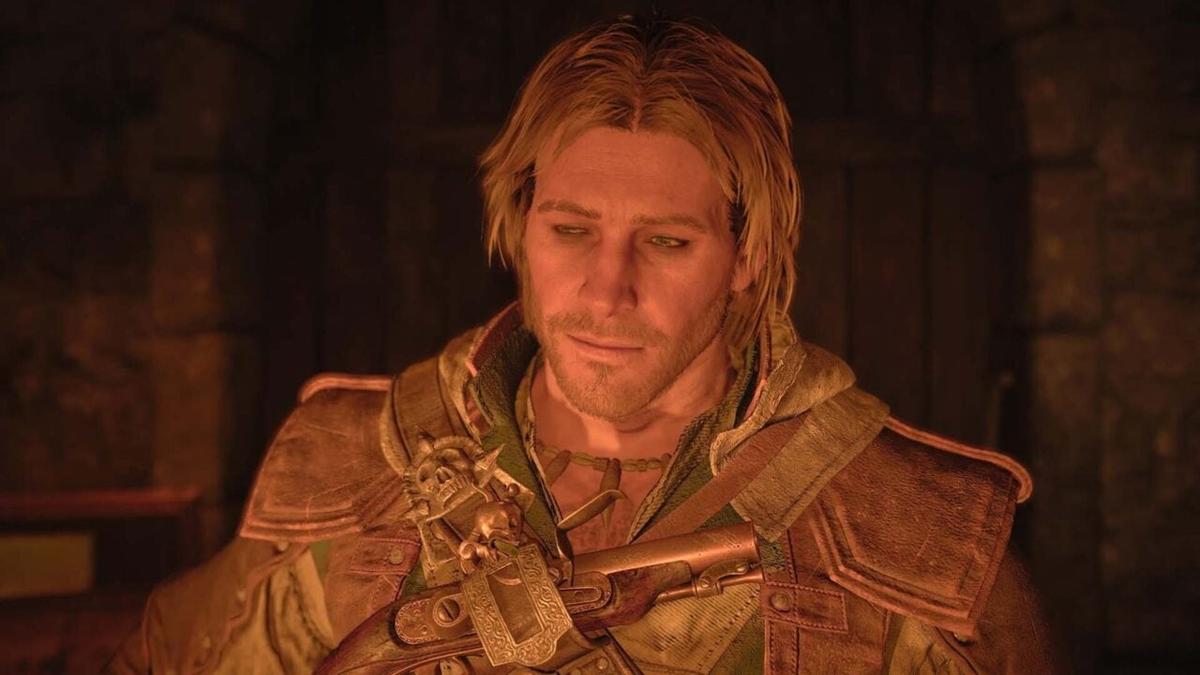
As game developers, we pour our hearts and souls into our projects. The launch of a game, especially one as anticipated as the Assassin’s Creed Black Flag remake, should be a moment of celebration, a culmination of years of hard work, passion, and countless hours. Yet, the recent news from Kotaku paints a stark, all-too-familiar picture of the industry's harsh realities: Ubisoft Barcelona is facing layoffs at the end of July, despite the very launch of *Black Flag Resynced*.
This isn't just a headline; it's a gut punch to every developer who has ever sacrificed for a project, only to see their job security crumble. One developer's poignant quote, "This is not how I imagined it would end," encapsulates the profound disappointment and betrayal felt when corporate decisions overshadow creative achievement.
The Bittersweet Symphony of a Game Launch
A game launch is usually a high point. It's when your creation finally reaches players, when metrics go live, and when the effort of hundreds of people is validated (or not). For a remake of a beloved title like Assassin's Creed Black Flag, the anticipation is even higher. Players expect a faithful, yet modernized, experience. For the developers, it means navigating the complexities of updating an existing codebase, preserving the original's essence while integrating new technology and standards.
The Black Flag Resynced project, as GameSpot notes, isn't just a simple port; it's a sequel to Assassin's Creed Shadows, chronologically continuing the story. This level of integration and narrative ambition suggests significant development effort. It's a testament to the team's skill that they could weave this into a remake while also tying it into the broader Assassin's Creed universe.
However, amidst this technical and creative achievement, the news of layoffs casts a long, dark shadow. It forces us to ask critical questions about the business side of game development, questions that often get buried under the hype.
Unpacking the "Why": Corporate Strategy vs. Human Cost
When layoffs happen, especially around a launch, several factors could be at play:
- Project Completion: Often, studios staff up for specific project phases. Once a major title ships, teams might be downsized if there isn't an immediate next project for everyone, or if the skillset mix needed changes. This is a common, albeit brutal, industry practice.
- Cost-Cutting Measures: In today's volatile market, many publishers are under pressure to optimize costs. Layoffs can be a quick way to appease investors, even if the studio is performing well.
- Restructuring: Ubisoft, like many large publishers, frequently reorganizes its studios and teams. These restructurings can lead to redundancies as roles are consolidated or shifted.
- Performance Metrics: While Black Flag Resynced's initial reception might be good, internal projections for sales, engagement, or long-term profitability might not meet expectations, leading to proactive cuts.
- External Economic Factors: Broader economic downturns can lead companies to brace for impact, even if their current performance is stable.
What makes this particular situation so jarring, as Kotaku highlights, is the timing. Layoffs after a launch, but before the full impact and revenue generation of that launch can be assessed, signals either pre-planned cuts regardless of success, or a very pessimistic outlook.
Let's visualize the typical project staffing versus recent layoff trends:
Figure 1: Typical Game Development Staffing Lifecycle vs. Current Industry Trend
The "Launch: Staffing Reduction" phase is often where layoffs occur, but the scale and timing in the current climate, even for successful launches, are concerning.
The Developer's Perspective: A Crisis of Confidence
For individual developers, these events are devastating. Beyond the immediate financial strain, there's a significant emotional toll:
- Loss of Morale: Seeing colleagues laid off, especially after a collective effort, can severely damage team morale and trust in leadership.
- Job Insecurity: It reinforces the perception of instability in the industry, making developers constantly look over their shoulders.
- Impact on Creativity: Fear of job loss can stifle creativity, pushing developers towards "safe" projects rather than innovative risks.
- Burnout: The pressure to perform, coupled with the uncertainty, can exacerbate burnout, a pervasive issue in our industry.
This situation isn't unique to Ubisoft. We've seen similar patterns across the industry, with major players like Xbox and ZeniMax also announcing significant layoffs recently. The sheer volume of job cuts, often impacting studios that just released critically acclaimed titles or were working on highly anticipated projects, creates an environment of fear and instability.
Looking Ahead: What Can Developers Do?
In such an environment, how do we navigate our careers and advocate for a more stable industry?
1. Network Relentlessly: Strong professional connections are crucial for finding new opportunities and support.
2. Diversify Skills: Being proficient in multiple areas (e.g., programming, design, technical art) or engines (Unity, Unreal) can make you more adaptable.
3. Understand the Business: While our passion is creation, understanding the financial and strategic decisions behind studios can help anticipate trends and make informed career choices.
4. Advocate for Better Practices: Support initiatives and organizations pushing for better working conditions, fair compensation, and greater job security within the industry.
5. Build a Portfolio: Continuously update your portfolio with personal projects or contributions, demonstrating your capabilities beyond your current role.
The situation at Ubisoft Barcelona is a stark reminder that even working on a high-profile, successful franchise doesn't guarantee job security in the current climate. It's a call for developers to be proactive, resilient, and to support each other as we collectively navigate these challenging times. The passion for creating games will always burn bright, but we must also fight for an industry that values its people as much as its profits.
Stay strong, stay creative, and keep building amazing experiences. We're in this together.