July 18, 2026
5 min read
The AI Slop Deluge: Indie Devs, Quality, and Steam Next Fest
Key Takeaways
- •The Promise vs. The Reality of AI in Game Development
- •Steam Next Fest: A Bellwether for Indie Developers
- •Why "Human-Crafted Chaos" Matters
As game developers, we're constantly on the lookout for tools and trends that can enhance our workflow, cut costs, or push creative boundaries. For a while now, AI has been touted as the next big thing, promising to revolutionize everything from asset creation to narrative design. However, recent discussions and industry observations, particularly around events like Steam Next Fest, are painting a more nuanced—and frankly, concerning—picture. The "AI Slop" is here, and it’s a problem we need to address head-on.
The Promise vs. The Reality of AI in Game Development
The allure of generative AI is undeniable. Imagine cutting down on art asset pipelines, generating endless dialogue options, or rapidly prototyping environments. The GDC 2025 State of the Game Industry report indicated that "more than 50% of surveyed devs work at companies that use AI tools," a figure that has undoubtedly grown since then (GameSpot). On paper, this sounds like efficiency and innovation.
But as with any powerful tool, its misuse can lead to significant downsides. The term "AI Slop" has emerged to describe the deluge of low-quality, generic, and often aesthetically unpleasing content generated by AI, then hastily integrated into projects. It's cheap, it's fast, but as The Atlantic put it, "by economic and engineering measures, generative AI might be the worst technology ever deployed."
Steam Next Fest: A Bellwether for Indie Developers
Steam Next Fest is a crucial platform for indie developers to showcase their upcoming games, gather wishlists, and build community. It's where dreams are made, or, increasingly, where they risk being drowned out by a sea of mediocrity. The question "Did AI Slop ruin Steam Next Fest June 2026?" from How To Market A Game cuts right to the heart of the matter.
If players are sifting through countless demos featuring AI-generated art that lacks a distinct style, AI-written dialogue that feels hollow, or environments that feel procedural and uninspired, their overall perception of indie games can suffer. This isn't just about one bad game; it's about the collective reputation of the indie scene. When the barrier to entry for content creation drops too low, the signal-to-noise ratio inevitably plummets.
Why "Human-Crafted Chaos" Matters
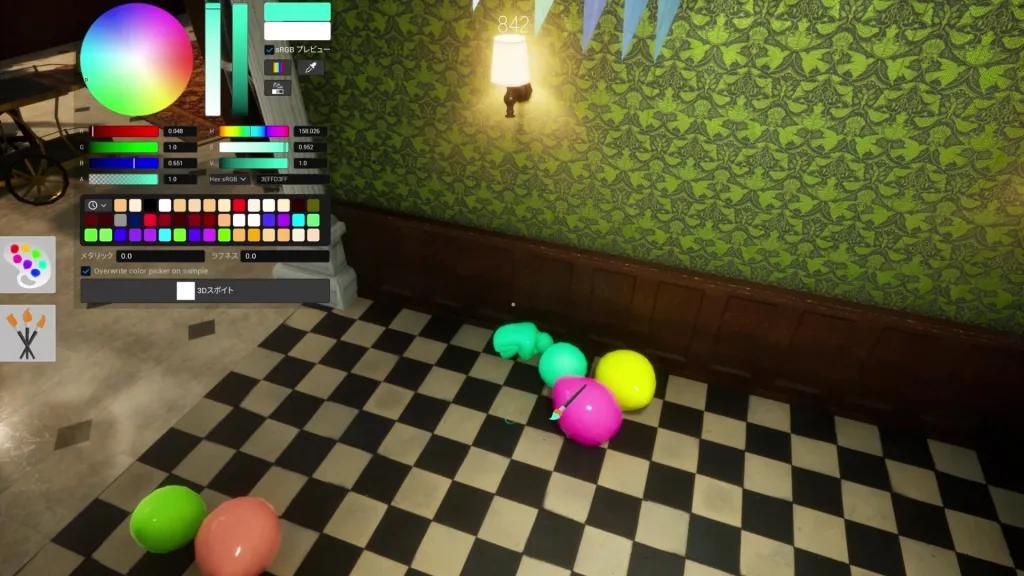
Amidst this backdrop, games like Meccha Chameleon are deliberately embracing a different philosophy. As GameSpot reports, the game "embraces human-crafted chaos" in an era of AI slop. This isn't just a stylistic choice; it's a statement. It's a recognition that authenticity, unique vision, and the inherent imperfections of human creativity are precisely what make art, and by extension, games, compelling.
The article highlights that AI-generated art often "looks bad because it’s literal." It lacks the nuanced interpretation, the subjective filtering, and the deliberate artistic choices that human creators bring. It's a facsimile, not an original. For developers, this should be a wake-up call. In a crowded market, standing out isn't about being the fastest or cheapest; it's about being different and better.
The Developer's Dilemma: Navigating the AI Landscape
So, what does this mean for us, the developers?
1. Quality Over Quantity: While AI can generate assets quickly, the market is quickly reaching saturation with generic content. Focus on creating genuinely engaging, high-quality experiences that shine through the noise.
2. Strategic AI Integration: AI isn't inherently evil. It can be a powerful assistant, but it should augment human creativity, not replace it. Use AI for mundane tasks, rapid prototyping, or data analysis, freeing up your team to focus on the truly creative and unique aspects of your game.
3. Embrace Uniqueness: Develop a strong artistic vision and stick to it. If your game has a distinct style, voice, or gameplay hook, it's more likely to resonate with players craving originality.
4. Transparency with Players: The conversation around AI in games is evolving. Be transparent with your community about how you use AI, if at all. Players are increasingly discerning and value authenticity.
Let's visualize the current sentiment and adoption:
This chart illustrates a clear disparity: while many developers are adopting AI tools, a significant portion of the player base is wary of low-quality AI-generated content and actively seeks out human-crafted experiences. The "Players Accepting 'AI Slop'" segment is minimal, suggesting that a purely AI-driven content strategy for creative elements is a risky bet for player engagement.
The Path Forward: Doubling Down on Craft
The challenge of "AI Slop" is not just a technical one; it's an existential one for creativity in our industry. If we allow our games to be filled with soulless, AI-generated content, we risk devaluing the very art form we cherish.
For indie developers, this is both a threat and an opportunity. The threat is being lost in the noise. The opportunity is to stand out by doubling down on what makes games special: the unique vision, passion, and meticulous craft of human creators. Meccha Chameleon's approach is a testament to this, proving that in an age of automated genericism, "human-crafted chaos" can be a powerful differentiator.
Let's use AI intelligently, but let's never forget that the heart and soul of a game come from the people who pour their creativity into it. Our players deserve nothing less than our best, most authentic work. And in a world of AI slop, that human touch is more valuable than ever.