August 5, 2026
7 min read
The $200 Joke Game: Viral Marketing, Refunds & Indie Dev Lessons
Key Takeaways
- •The Unlikely Rise of a $200 Digital Gag
- •The Inevitable Backlash: Steam's Refund Policy in Action
- •Lessons for Indie Developers: Beyond the Hype Cycle
As game developers, we're constantly looking for that elusive formula for success. We pour our hearts into design, code, and art, hoping to create something that resonates with players and, let's be honest, generates revenue. So, when a "joke game" priced at $200 manages to rake in $1.3 million on Steam, it certainly grabs attention. But the story doesn't end there: thousands of players then refunded it. This bizarre tale of "This Game Costs 200 Dollars" offers some truly fascinating, if unconventional, lessons for indie developers.
The Unlikely Rise of a $200 Digital Gag
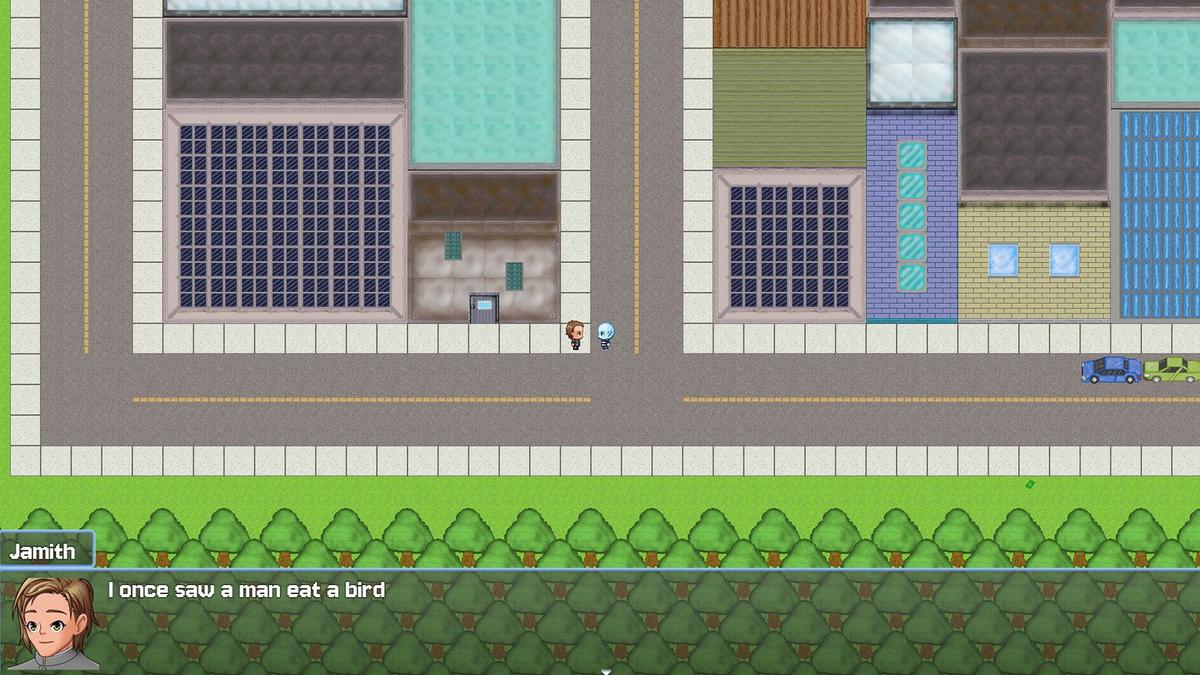
The game in question, "This Game Costs 200 Dollars," is exactly what it sounds like. Developed by an 18-year-old named Michael Major, it's a sequel to his earlier, similarly titled "This Game Costs 10 Dollars." The concept is simple, almost absurd: a game whose primary feature is its exorbitant price tag. Yet, it quickly became a viral sensation.
According to IGN India and Polygon, Major's game initially generated over $1.3 million in revenue on Steam. This wasn't due to groundbreaking gameplay or stunning graphics, but rather the sheer audacity of its premise. It tapped into a unique corner of internet culture and curiosity, proving that sometimes, the most unexpected ideas can capture the public's imagination.
The success highlights a few critical points for us developers:
- Novelty Sells: In a crowded market, standing out is paramount. A truly unique selling proposition, even if it's a joke, can cut through the noise.
- Viral Potential: Social media and content creators (streamers, YouTubers) are powerful amplifiers. A game that sparks conversation, controversy, or humor has a higher chance of going viral.
- The Power of Curiosity: People were willing to pay $200 to see what this "game" was all about. This speaks to a psychological trigger that can be leveraged, albeit carefully.
This initial surge of interest and revenue is a dream for any indie developer. Imagine hitting those numbers with a project made in days! But as we know, the gaming landscape is rarely that simple.
The Inevitable Backlash: Steam's Refund Policy in Action
The spectacular rise of "This Game Costs 200 Dollars" was met with an equally dramatic fall. Thousands of players, after purchasing and experiencing the game (or lack thereof), opted for refunds. This is where the story pivots from a marketing marvel to a stark reminder of platform mechanics.
Steam's robust refund policy allows players to return games within 14 days of purchase, provided they have less than two hours of playtime. This policy is generally seen as pro-consumer, protecting players from bad purchases. In this case, it essentially acted as a safety net for those who bought into the viral hype only to find themselves with a digital receipt for a digital gag.
Here's what this means for us:
- Refunds are a Reality: Even if your game goes viral and sells millions of copies, a significant portion of that revenue can be clawed back if players feel dissatisfied or if the game doesn't meet their (however low) expectations.
- Player Trust is Fragile: While "This Game Costs 200 Dollars" was a clear joke, other games might face high refund rates if they fail to deliver on promises, suffer from technical issues, or simply don't resonate post-purchase.
- Design for Engagement: For legitimate games, designing for engaging gameplay that keeps players past the two-hour mark is crucial to minimize refund rates. This means strong early-game hooks and clear value proposition.
The developer, Michael Major, reportedly almost "died" from the experience, likely referring to the emotional rollercoaster of seeing such massive revenue evaporate. It's a vivid illustration of the precarious nature of viral success without a foundational product.
Lessons for Indie Developers: Beyond the Hype Cycle
While "This Game Costs 200 Dollars" is an extreme example, it offers tangible lessons for every developer, especially those operating in the indie space where resources are limited and standing out is a constant battle.
1. The Double-Edged Sword of Viral Marketing
Viral marketing can be incredibly potent, generating massive visibility without a huge budget. However, it needs to be backed by substance. If your game goes viral for the wrong reasons, or if the hype outstrips the actual product, you're setting yourself up for a high refund rate and potentially negative long-term perception.
- Authenticity is Key: Even with a joke game, there was a certain authenticity to its absurdity. For serious games, this means genuinely engaging with your community and managing expectations.
- Don't Overpromise: Be realistic about what your game offers. It's better to under-promise and over-deliver than the other way around.
2. Pricing Strategy: More Than Just a Number
The $200 price tag was part of the joke, a deliberate tactic to shock and intrigue. For most games, pricing requires careful consideration of:
- Perceived Value: What do players expect for the price? This includes content, production quality, replayability, and genre.
- Market Competition: How are similar games priced?
- Regional Pricing: Steam offers tools for this, and it's vital for global reach and fair access.
- Psychological Pricing: While $200 worked as a gag, traditional pricing often uses figures like $19.99 to seem more appealing.
3. Understanding Platform Mechanics: Steam's Refund System
Steam's refund policy is a powerful consumer protection tool that developers must account for.
- Early Game Experience: The first two hours are critical. Ensure your game makes a strong first impression, introduces core mechanics effectively, and provides enough content to justify the purchase beyond that initial window.
- Technical Stability: Bugs and performance issues in the early hours are prime drivers for refunds. Prioritize stability and optimization, especially around launch.
- Clear Communication: Use your store page, trailers, and screenshots to accurately represent your game. Misleading marketing is a fast track to refunds.
4. The Value of Community and Iteration
While Major's game was a one-off gag, for most indie developers, building a community and iterating on feedback is crucial. A strong community can become your most loyal customers and advocates, less likely to refund and more likely to support your ongoing efforts.
Visualizing the Revenue Rollercoaster
To put this into perspective, let's look at a simplified model of the game's revenue cycle:
This chart illustrates the volatile journey. The initial peak is exhilarating, but the path through "Player Experience & Value Perception" to "Refund Decision" is where the true financial stability for a developer is determined.
Conclusion: A Cautionary Tale with a Silver Lining
The story of "This Game Costs 200 Dollars" is a wild ride, almost unbelievable in its extremes. It's a cautionary tale about the fleeting nature of viral fame without substance, and a powerful demonstration of how platform policies like Steam's refund system can heavily impact a game's bottom line.
For us, as serious game developers, the silver lining is the clear reinforcement of fundamental principles: create genuine value, communicate honestly, and understand the ecosystem you're launching into. While a joke game can briefly capture lightning in a bottle, sustainable success comes from building engaging experiences that players genuinely want to keep, regardless of the initial hype. What are your thoughts on this phenomenon? Has it changed how you think about pricing or marketing your next project?