Path of Exile 2: Deconstructing the December 1.0 Release and New

Key Takeaways
- •The Road to 1.0: A Full Release Vision
- •Introducing the New Classes: Strategic Expansion
- •Deep Dive: The Shadow Class
Path of Exile 2 has been a highly anticipated title in the ARPG genre, and the recent announcements regarding its December 1.0 release have sent ripples of excitement through the gaming community. As game developers, we understand the immense effort and strategic planning that goes into launching a title of this scale, especially one that follows in the footsteps of a beloved predecessor. This guide will deconstruct the key features confirmed for the 1.0 release—the finished campaign, new league, and the introduction of new classes, including the Shadow—from a game design perspective, highlighting their significance for player experience and long-term engagement.
The Road to 1.0: A Full Release Vision
The transition from an extended beta or early access phase to a full 1.0 release is a critical moment for any game, particularly in the ARPG space. For Path of Exile 2, the announcement of a "finished campaign" signifies a major milestone. A complete narrative arc is fundamental to grounding players in the game world, providing a sense of progression, and offering a satisfying initial journey.
From a design standpoint, a finished campaign means:
- Cohesive Narrative: Players can experience the full story, understanding the world's lore and the stakes involved without abrupt stops or placeholder content. This is crucial for immersion and emotional investment.
- Balanced Progression: The campaign acts as a structured tutorial, gradually introducing mechanics, enemies, and zones. A finished campaign ensures a smooth difficulty curve and appropriate pacing, preparing players for the endgame.
- Player Retention: Many players engage with ARPGs primarily for the campaign experience before diving into the endless grind. A robust, complete campaign is a strong selling point for new players and provides a solid foundation for veteran players to build new characters.
The commitment to a "finished campaign" for the 1.0 release underscores a dedication to delivering a polished and comprehensive core experience, setting the stage for the game's future.
Introducing the New Classes: Strategic Expansion
A cornerstone of any compelling ARPG is its class system, offering diverse playstyles and fostering replayability. Path of Exile 2's 1.0 release will feature "new classes," a strategic move designed to expand player choice and build diversity right from launch. This is not merely about adding more options; it's about enriching the entire gameplay ecosystem.
The introduction of new classes serves several vital design purposes:
- Enhanced Player Agency: More classes mean more fundamental choices at the start of a character's journey, catering to a wider range of player fantasies and preferred combat styles.
- Increased Build Diversity: Each class typically brings unique mechanics, skill trees, and aesthetic themes. New classes introduce new avenues for creative build crafting, encouraging players to experiment and discover powerful synergies.
- Replayability: A diverse roster of classes significantly boosts the game's replay value. Players are more likely to create multiple characters to experience different facets of the game, extending their engagement.
Deep Dive: The Shadow Class
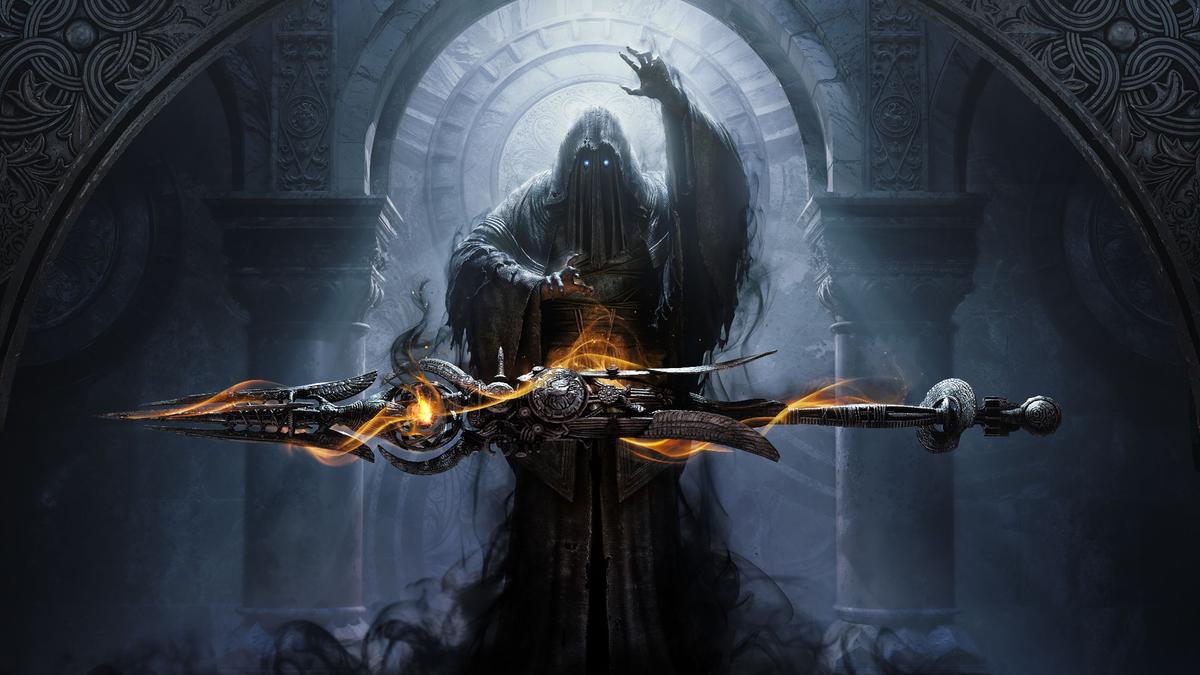
Among the new classes announced for the 1.0 release, "the Shadow" has been specifically highlighted. While specific mechanics for the Path of Exile 2 iteration of the Shadow are not yet detailed, the very announcement of a new class, particularly one with such an evocative name, generates significant player discussion and anticipation.
In ARPGs, classes like the "Shadow" often imply certain characteristics: agility, precision, and potentially mastery over stealth or rogue-like abilities. The inclusion of such a class at launch immediately signals a commitment to offering varied combat experiences. For developers, designing a new class involves:
- Defining a Core Identity: What unique role does this class fill in the game's combat triangle (melee, ranged, spellcaster)?
- Crafting Unique Mechanics: How does the Shadow differentiate itself through its resource system, primary damage type, or movement abilities?
- Balancing: Integrating a new class into an existing or evolving meta requires meticulous balancing to ensure it feels powerful and distinct without overshadowing other options or creating mandatory choices.
The Shadow's inclusion suggests a strong focus on delivering distinct character archetypes, allowing players to find a class that truly resonates with their preferred playstyle from day one.
The Impact of a New League
A defining feature of the Path of Exile franchise is its seasonal "leagues," and the 1.0 release will launch with a "new league." Leagues are temporary game modes that introduce fresh mechanics, challenges, and rewards, alongside a reset economy. This model is crucial for the long-term health and engagement of an ARPG.
The design philosophy behind new leagues includes:
- Content Refresh: Leagues provide a consistent stream of new content, preventing stagnation and offering novel experiences that keep players returning.
- Meta Shifts: The unique mechanics of each league often influence the power balance of classes and builds, encouraging players to adapt and discover new optimal strategies. This keeps the game fresh and dynamic.
- Community Engagement: Leagues foster a sense of community as players collectively explore new mechanics, compete on leaderboards, and share their discoveries.
- Economic Reset: The league system allows for a fresh start for all players, leveling the playing field and preventing economic inflation from impacting new players or those returning after a break.
The simultaneous launch of a new league with the 1.0 release ensures that even veteran players of the Path of Exile universe will have compelling new content to dive into immediately, reinforcing the game's commitment to continuous evolution.
Developer Perspective: Crafting a Major ARPG Launch
Launching a game like Path of Exile 2 is an monumental undertaking. From a developer's perspective, the December 1.0 release represents the culmination of years of hard work and strategic decisions.
Here's a simplified overview of the release structure:
Key considerations during this phase include:
- Quality Assurance: Ensuring the finished campaign and new content are stable, bug-free, and performant is paramount for a positive first impression.
- Player Feedback Integration: While the 1.0 release marks a launch, a successful ARPG continuously evolves based on player feedback. Establishing robust channels for this is critical.
- Marketing and Communication: Effectively communicating the scope and excitement of the 1.0 release, including new classes and league content, is essential for reaching a wide audience.
- Post-Launch Support: The 1.0 release is just the beginning. Planning for ongoing content updates, balance patches, and future leagues is crucial for sustaining player interest.
The announcements for Path of Exile 2's December 1.0 release demonstrate a clear strategy to deliver a comprehensive and engaging experience right from the start, building on the strengths of the genre while introducing exciting new elements.
Conclusion
The December 1.0 release of Path of Exile 2 is shaping up to be a significant event for ARPG enthusiasts. With a fully realized campaign, the introduction of new classes like the Shadow, and a fresh league, the game is poised to offer a deep and engaging experience. From a game development standpoint, these features underscore a commitment to robust core gameplay, continuous content delivery, and player-centric design—all essential ingredients for a successful and long-lasting ARPG. The community eagerly awaits the opportunity to delve into this new chapter of Wraeclast's saga.
At White Cube Studios, we translate technical architecture into shipping systems across our specialized development pillars: