Overwatch Season 5 Hero Synergy Guide: Cassidy Balancing

Key Takeaways
- •The Mechanics Behind the Cassidy and Lifeweaver Pairing
- •Why the Season 5 Patch Addressed the Team-Up
- •Uncontested Sightline Control
Hero shooters thrive on emergent gameplay. When two complementary kits click, players invent tactics that even seasoned combat designers never anticipated during internal playtests. In the competitive ecosystem of Overwatch, synergy defines the meta: hitscan accuracy combined with unpredictable vertical mobility has always produced devastating results.
The Season 5 balance update fundamentally altered one of the game's most dynamic interactions: Cassidy paired with Lifeweaver. While casual lobbies reveled in the chaotic aerial cowboy assault enabled by Petal Platform and Life Grip, competitive systems demanded an intervention. This guide breaks down the game design mechanics behind the combo, why the Season 5 balance patch addressed this interaction, and how players must adjust their positioning and pacing going forward.
The Mechanics Behind the Cassidy and Lifeweaver Pairing
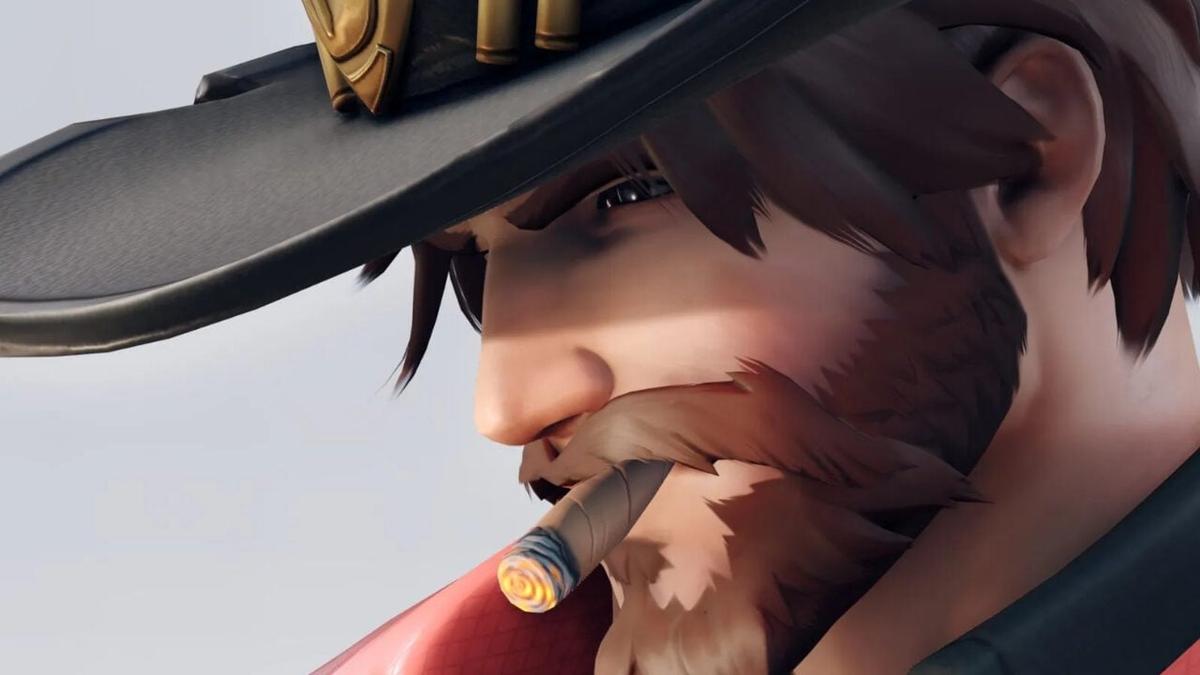
To understand why this interaction dominated team compositions heading into Season 5, we need to inspect the baseline constraints of Cassidy's hero kit. Cassidy is fundamentally balanced as a mid-range, grounded hitscan brawler. His Peacekeeper revolver outputs high burst damage, but his kit intentionally suffers from limited mobility. His Combat Roll offers quick reload utility and minimal damage reduction, keeping his threat radius predictable.
Lifeweaver introduces an entirely different vector of movement through Petal Platform and Life Grip. By offering vertical repositioning, aerial staging, and emergency repositioning, pairing with Lifeweaver bypassed Cassidy's core design limitation: low vertical mobility. Instead of navigating choke points on foot, Cassidy could achieve elevated angles rapidly without burning personal cooldowns or relying on static high-ground architecture.
The resulting interaction broke standard encounter pacing. Defenders expecting Cassidy to push through predictable corridors were suddenly confronted with elevated revolver volleys and high-altitude Deadeye setups launched directly from Petal Platforms. The pairing effectively removed the intended risk profile associated with Cassidy's high-damage kit.
Why the Season 5 Patch Addressed the Team-Up
From a combat design perspective, hero synergies fall into two categories: intentional synergies and degenerate dominant strategies. When a single pairing circumvents fundamental hero weaknesses without sufficient counterplay, system designers must intervene.
Uncontested Sightline Control
In competitive map design, sightlines are tightly regulated by geometry, barriers, and cover. High ground provides tactical superiority, but reaching it usually requires spending substantial traversal time or committal movement abilities. The synergy allowed Cassidy to establish oppressive off-angles on mobile platforms where ground-bound tanks could not easily contest him.
Asymmetrical Counterplay
Dealing with a ground-bound Cassidy requires baiting flash abilities, tracking reload cycles, and closing the gap. When hoisted onto dynamic aerial platforms and protected by Life Grip safety nets, the burden of execution shifted almost entirely onto the defending squad. Enemy projectile heroes and short-range specialists found it nearly impossible to punish Cassidy's positioning, creating an unfun dynamic for opposing teams.
Ultimate Ability Amplification
Deadeye has historically been balanced by Cassidy's vulnerability and slow movement speed during the channel duration. Combining Deadeye with rapid vertical elevation from Petal Platform created unreactable team-wipe scenarios that bypassed defensive barriers before players could locate the source of the audio cue.
Systemic Balance Workflow for Emergent Combos
When designing or patching multiplayer combat systems, balancing emergent interactions follows a strict technical pipeline. Developers must decide whether an emergent trick enriches high-level play or harms match health.
- Telemetry Gathering: Developers monitor win rates, pick rates, and kill conversion metrics across different skill tiers to verify whether a combo overperforms statistically.
- Counterplay Audit: Combat designers evaluate whether the current roster possesses organic answers to the strategy without requiring mirror-matching.
- Physics and Attachment Rules: Mechanics that elevate, carry, or reposition characters are audited to ensure projectile hitboxes, elevation timings, and sightlines interact consistently.
- Targeted Value Adjustments: Rather than nerfing individual hero stats into obsolescence, developers adjust the specific synergy hooks to preserve solo viability.
Season 5 targeted Cassidy's effective engagement range and utility directly, alongside structural adjustments to support utility. By retuning damage falloff values and reworking Cassidy's Magnetic Grenade with the hinder mechanic, Blizzard preserved the distinct solo identities of both characters while restoring competitive parity to frontline engagements.
Adapting Your Cassidy Playstyle in Season 5
With the dynamic support synergy normalized, Cassidy players must recalibrate their fundamentals. Success in Season 5 demands disciplined map traversal, traditional crosshair placement, and deliberate team coordination.
1. Re-Anchor to Natural Cover
Without on-demand aerial elevation or constant bailout tools, overextending into wide lanes will instantly result in elimination. Hug corners, utilize payload geometry, and ensure you always have an immediate retreat route when your primary fire draws focus fire.
2. Prioritize Staged High Ground
You can no longer rely on dynamic platforms to take high ground on demand during an active engagement. You must stage your position before team fights begin. Route through interior stairwells and elevated walkways during setup phases to maintain spatial advantages.
3. Coordinate Frontline Crossfires
Cassidy thrives when opponents are forced to choose between facing a frontline brawler and turning toward his hitscan pressure. Work with your tank to create split-angle firing lanes rather than trying to play as an isolated flanker.
4. Reserve Combat Roll for Defensive Repositioning
Too many players burn Combat Roll aggressively purely to reset ammo count. In Season 5, using roll offensively leaves you vulnerable against dive compositions. Save the roll to break line of sight against incoming dive threats or mitigate burst damage with damage reduction.
Combat Design Takeaways for Developers
The evolution of the Cassidy and Lifeweaver interaction offers crucial lessons for game systems designers building multiplayer rosters:
- Mobility Is the Most Dangerous Stat: Giving low-mobility, high-damage heroes access to external traversal tools frequently breaks combat pacing.
- Preserve Clear Counter-Windows: Every powerful offensive maneuver must include an equally readable defensive answer for the opposing team.
- Modular Systems Need Rigid Constraints: Utility mechanics that elevate or extract teammates require strict boundary rules to prevent unintended gameplay loops.
The Season 5 balance shifts brought clarity to Overwatch's tactical ecosystem, reinforcing a fundamental competitive truth: hero shooter balance relies on distinct strengths and punishable weaknesses. By returning Cassidy to disciplined positional execution, the meta re-establishes high-stakes tactical precision at every tier of play.
At White Cube Studios, we translate technical architecture into shipping systems across our specialized development pillars: