Hell Clock's Journey of Miracles: Mastering Permanent Seasonal Updates

Key Takeaways
- •Understanding the "Journey of Miracles" Update
- •Key Characteristics of a Permanent Seasonal Model
- •Strategic Player Approaches: Adapting to Perpetual Evolution
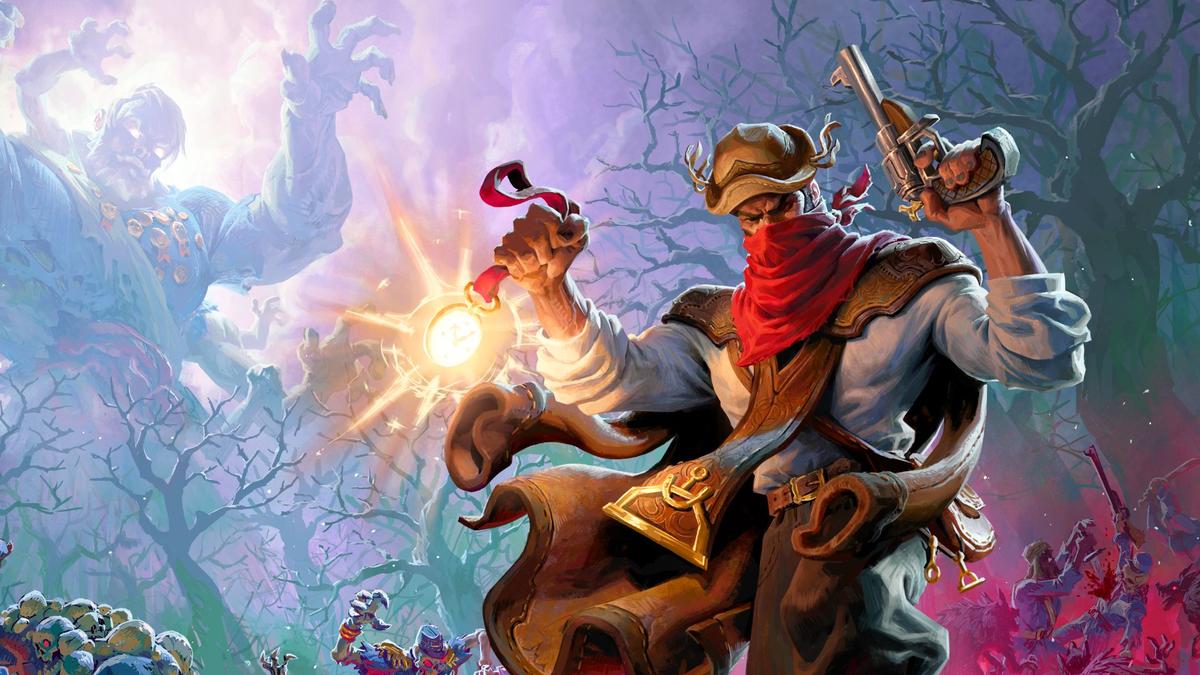
As game developers, we constantly seek innovative ways to keep our players engaged, especially in genres like roguelike action RPGs where replayability is paramount. The recent "Journey of Miracles" update for the indie roguelike ARPG, Hell Clock, presents a fascinating case study in evolving live-service mechanics. This update, described as "transformative" and "inspired by Diablo seasons," introduces a crucial distinction: its seasonal changes "won't ever expire." This unique approach challenges traditional seasonal models and offers valuable lessons for both players and designers.
The concept of a "non-expiring season" fundamentally alters the player's long-term engagement and the developer's content strategy. Instead of a race against time before a reset, Hell Clock integrates new seasonal mechanics as permanent additions to the game's evolving ecosystem. This guide will break down the implications of this design choice, offering insights into how players can master these continuous updates and how developers can leverage such a model for sustainable growth.
Understanding the "Journey of Miracles" Update
The "Journey of Miracles" update for Hell Clock draws inspiration from the highly successful seasonal models seen in games like Diablo. In traditional seasonal play, players start fresh with new characters, participate in unique seasonal mechanics, and earn exclusive rewards, all within a limited timeframe. Once the season ends, these characters often migrate to a "non-seasonal" realm, and the seasonal mechanics disappear, making way for the next iteration.
Hell Clock's innovation lies in its departure from the time-gated, expiring nature of these seasons. The "Journey of Miracles" introduces new impactful elements—be it new items, altered monster behaviors, environmental hazards, or a fresh progression system—that are integrated permanently into the core game. This means that every "season" effectively becomes a substantial, persistent content expansion rather than a temporary event.
Key Characteristics of a Permanent Seasonal Model
- Cumulative Content: Each update adds a new layer of mechanics, items, or challenges without removing previous ones. The game world continually expands and deepens.
- Evolving Meta: Instead of a hard reset, the game's meta-game shifts and evolves with each new permanent addition. Players must adapt to an ever-growing pool of strategies and builds.
- Accessibility for All: Players can engage with all "seasonal" content regardless of when they join the game or how much time they can dedicate. There's no fear of missing out on unique mechanics or rewards.
- Long-Term Mastery: Mastery becomes about understanding the complex interplay of all cumulative systems, rather than optimizing for a temporary seasonal loop.
This model fosters a different kind of player engagement. While traditional seasons create urgency and a surge of activity, a permanent model encourages consistent, ongoing exploration and theorycrafting.
Strategic Player Approaches: Adapting to Perpetual Evolution
For players diving into Hell Clock's "Journey of Miracles," the shift to non-expiring seasons demands a different strategic mindset. The pressure of a time limit is gone, replaced by the depth of an ever-growing system.
1. Embrace Incremental Learning
Unlike expiring seasons where you might power-level a new character to experience everything, Hell Clock's model encourages a more gradual learning curve.
- Focus on one new mechanic at a time: With each "seasonal" update, identify the primary new features. Experiment with them in isolation before trying to integrate them into complex builds.
- Revisit old content with new eyes: New mechanics often breathe new life into existing zones, enemies, or item synergies. Don't be afraid to re-explore familiar territory to discover new interactions.
2. Diversify Your Build Philosophy
In a constantly evolving game, relying on a single "meta" build can be precarious.
- Experiment widely: The permanent nature of updates means that a niche build that wasn't viable before might suddenly become incredibly powerful with a new item or mechanic.
- Understand fundamental mechanics: Instead of memorizing optimal stat allocations for a specific patch, focus on understanding the core damage calculations, defensive layers, and crowd control interactions. This foundational knowledge will allow you to adapt quickly to new additions.
3. Leverage the Cumulative Power Curve
Each "season" adds power to the game, not just complexity.
- Identify new power spikes: Look for new items, skill enhancements, or environmental buffs introduced in the "Journey of Miracles" that can create significant power boosts for your character.
- Combine and conquer: The true strength of a permanent seasonal model is the ability to combine elements from all previous updates. Consider how a new "Miracle" ability interacts with a core skill from the base game, or how a new legendary item complements an existing set.
Here's a simple flow of strategic adaptation for players:
Developer Insights: Designing for Perpetual Growth
For game developers considering a similar non-expiring seasonal model, Hell Clock's "Journey of Miracles" offers a template for sustainable content delivery. This approach demands careful planning and a robust understanding of game systems.
1. The Challenge of Balance
The biggest hurdle for cumulative content is maintaining game balance. Each new addition can potentially create unforeseen power creep or render old content obsolete.
- Modular Design: Design new mechanics as self-contained modules that can be tweaked or disabled if they cause severe balance issues, without disrupting the entire game.
- Iterative Balancing: Embrace continuous, smaller balance patches rather than large, infrequent ones. Use player data to identify overpowered or underpowered synergies that emerge from cumulative content.
- Power Sink Mechanics: Introduce new challenges or higher difficulty tiers with each update to absorb the natural power creep from new items and abilities.
2. Ensuring Player Onboarding
As content accumulates, the barrier to entry for new players can become daunting.
- Layered Tutorials: Design tutorials that introduce core mechanics first, then gradually unveil "seasonal" systems as players progress.
- Discovery-Based Learning: Encourage players to discover new mechanics naturally through gameplay, rather than front-loading all information.
- Clear UI/UX: Ensure that the user interface clearly distinguishes between core and "seasonal" content, and provides accessible information about how new systems work.
3. Sustainable Content Pipelines
This model requires a consistent flow of meaningful updates.
- Thematic Cohesion: While mechanics are permanent, each "Journey of Miracles" can still have a distinct theme or narrative arc, giving players a sense of progression through the game's history.
- Leverage Existing Assets: New "seasonal" content doesn't always need entirely new assets. Recontextualizing existing enemies, environments, or items with new mechanics can be highly effective.
- Community Feedback Loop: Engage actively with your player base. They will be your best source for identifying balance issues, suggesting new synergies, and highlighting areas where the game's complexity might be overwhelming.
Here's a breakdown of content allocation in such a model:
This chart illustrates how the initial "Base Game Content" becomes a smaller, but still foundational, piece of an ever-growing pie as new, permanent seasonal content is added.
The Future of Live-Service Roguelikes
Hell Clock's "Journey of Miracles" update is a compelling example of how developers can reimagine the live-service model, particularly for roguelike ARPGs. By removing the expiration date from seasonal content, the game fosters a sense of continuous growth and long-term investment. Players are no longer pressured to "grind" before a reset, but rather encouraged to explore, adapt, and master an ever-deepening game world.
This approach aligns well with the core tenets of roguelikes: constant challenge, deep replayability, and the joy of discovering powerful synergies. For developers, it means building a game that genuinely grows over time, accumulating value with each update rather than cycling through temporary content. The balancing act is more complex, but the potential for fostering a dedicated, long-term player base is immense. The "Journey of Miracles" is not just an update; it showcases an innovative vision for how games can evolve.
Ultimately, Hell Clock's model demonstrates that the appeal of "seasons" isn't solely in their exclusivity or temporary nature, but in their capacity to inject fresh mechanics and narrative into an established game. By making these injections permanent, developers can build a truly expansive and infinitely replayable experience, rewarding consistent engagement and deep mastery over fleeting participation. It's a miracle of design, indeed.
At White Cube Studios, we translate technical architecture into shipping systems across our specialized development pillars: