Deadlock Tactical Lane Control Guide: Systems and Design

Key Takeaways
- •Systems Design: Spatial Geometry and Sightline Manipulation
- •Early Game: Trooper Equilibrium and Soul Orb Denials
- •Mid-Game Macro: Chokepoints, Rails, and Map Traversal
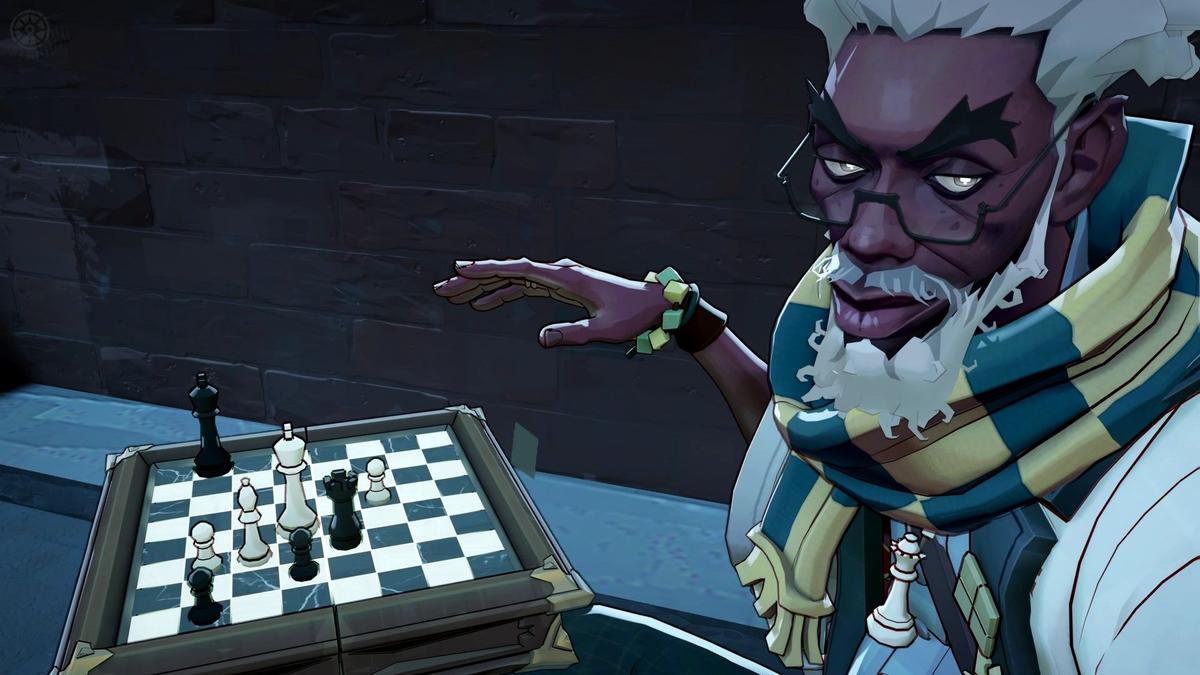
Deadlock represents a major technical and systemic milestone in competitive PC gaming. Valve's third-person MOBA shooter broke through Team Fortress 2's all-time concurrent player peak on Steam by merging tactical precision shooting with intricate systems architecture. High-level play in Deadlock is often described by developers and competitive players as high-speed spatial chess, where map control, geometry, and resource denial dictate the outcome long before team clashes conclude.
From a game design perspective, Deadlock departs from traditional arena shooters by grounding its gunplay in MOBA lane equilibrium, rigid sightline geometry, and vertical transit networks. Mastering tactical playmakers like Paradox and McGinnis requires understanding how Source 2's movement physics interact with lane architecture, deployables, and minion waves. This guide breaks down the core systems, lane manipulation mechanics, hero ability rotations, and level design loops required to dominate high-tier matches.
Systems Design: Spatial Geometry and Sightline Manipulation
Deadlock's four-lane urban layout is built around deliberate architectural layers: high-ground rooftops, fire escapes, mid-level bridges, lower street corridors, and subterranean transit tunnels. This vertical density fundamentally changes area denial. In a flat MOBA, area control is purely two-dimensional; in Deadlock, abilities must account for pitch angles, mantle physics, and bullet drop.
Tactical zone-controllers manipulate these sightlines to nullify twitch-aim advantages. For example, Paradox relies on spatial displacement and geometric isolation. Her kit transforms open avenues into lethal killboxes:
- Pulse Grenade (Ability 1): Discharges energy pulses that expand radially, dealing base Spirit damage, applying an escalating movement slow, and stacking a 10 percent weapon damage amplifier on caught targets.
- Time Wall (Ability 2): Erects a temporal barrier spanning choke corridors. The wall completely neutralizes enemy projectile velocity while dealing 10 percent maximum health spirit damage and imposing an 80 percent movement speed penalty on enemies crossing its threshold.
- Kinetic Carbine (Ability 3): Charges weapon shots while granting a plus 2 meters per second movement speed buff. When released, it hits for up to 300 percent weapon damage and inflicts a stop and slow effect.
- Paradoxical Swap (Ability 4): A targeted displacement ultimate that swaps positions with an enemy target over a 0.5-second channel. Paradox gains 100 percent Spirit Lifesteal, while the displaced enemy suffers sustained ticking spirit damage.
By placing a Time Wall across a main avenue and executing Paradoxical Swap, a player pulls an opponent through the barrier, shredding their health bar while stranding them deep behind allied lines.
Early Game: Trooper Equilibrium and Soul Orb Denials
The early game hinges entirely on the Trooper wave economy. Every 30 seconds, waves of four Troopers spawn per lane. Each Trooper awards roughly 75 Souls at the opening phase. However, last-hit soul allocation versus floating orb denial ratios shift dynamically across match phases rather than remaining static. During the opening minutes of laning, secured souls are split between an immediate direct-kill payout and a floating Soul Orb. As the match progresses toward the 10-minute transition, the economy gradually phases out direct ground rewards in favor of 100 percent floating Soul Orbs, drastically raising the stakes for mid-to-late-game contests.
Understanding the hitscan priority of Soul Orbs is mandatory for establishing an economic lead:
- Securing vs. Denying: When your Trooper dies, an allied Soul Orb rises into the air. Enemy heroes can shoot this orb to claim the souls. Conversely, destroying the soul orb of an enemy Trooper denies the economy from your lane rival.
- Bullet Velocity Priority: Purchasing High-Velocity Mag early increases projectile travel speed by 30 percent, drastically reducing the latency between firing and popping a floating Soul Orb before the opponent can react.
- Creep Equilibrium Freezing: Avoid blindly spraying weapon fire into Trooper waves. Allow enemy Troopers to push slightly past the midway bridge, anchoring them just outside your Guardian's firing range. This leaves the opposing laner exposed to rooftop ganks without cover.
- Stamina Resource Management: Maintain at least two stamina bars in reserve. Using Dash-Jumps to cross street lanes burns stamina rapidly, leaving you vulnerable to initiation if your position gets collapsed upon.
Mid-Game Macro: Chokepoints, Rails, and Map Traversal
Once Tier 1 Guardians fall, matches enter the mid-game macro phase, where map pressure shifts toward neutral camps, the Spirit Urn, and Walker objectives. Navigating the rail network is critical: zip lines grant 15 to 20 meters per second transit across lanes, but taking weapon damage while riding induces a severe dismount stun.
Zone-controlling engineers like McGinnis excel in this phase by anchoring defensive lines. McGinnis leverages automated zone defense to lock down chokepoints:
- Mini Turrets (Ability 1): Deployable turrets with a 30-meter engagement radius dealing continuous DPS. Upgraded turrets inflict movement slows and force enemy heroes to turn their crosshairs away from allied heroes.
- Medicinal Spray (Ability 2): Provides persistent health regeneration and a 35 percent fire rate buff to allied units and pushing Troopers.
- Spectral Wall (Ability 3): Deploys a massive 19-meter stone barrier that divides corridors, splitting team fights in half and trapping diving opponents in dead ends.
When rotating for the Spirit Urn delivery, position Spectral Wall or Paradox's Time Wall across the primary bridge intersections. This cuts off the opposing team's direct pursuit vector and guarantees secure urn turn-ins for team-wide Soul distribution.
Core Itemization and Ability Synergy
Optimizing item builds requires balancing active utility against cooldown scaling. Tactical zone heroes depend on high Spirit scaling and reach modifiers to control expansive urban courtyards.
- Mystic Reach and Improved Reach: Expands ability cast range and width by 16 to 25 percent. On Paradox, this widens Time Wall to completely seal wide double-lane street intersections.
- Superior Duration: Extends deployable and barrier lifetimes, keeping McGinnis turrets and Paradox utility fields active across prolonged skirmishes.
- Kinetic Dash: Provides bonus dash distance and temporary weapon fire rate upon dashing, allowing rapid repositioning between rooftop sniper perches.
- Curse (Active Tier 4): Silences, disarms, and prevents item usage on high-threat diving targets for 3.5 seconds, shutting down aggressive dive initiations before they break through your defensive lines.
Hero Matchups and Counter-Initiation Tactics
Spatial controllers must adapt their micro-play depending on opponent engagement tools:
Versus Aggressive Dive (Abrams and Lash)
Abrams relies on Shoulder Charge and Siphon Life to force close-quarters brawls, while Lash utilizes Grapple and Ground Strike for high-velocity vertical entry.
- The Counter-Play: Do not challenge them on open street ground. Anchor yourself near indoor door frames and narrow archways. Pre-cast abilities like Paradox Time Wall or McGinnis Spectral Wall right at the threshold. When Abrams charges, he strikes the impassable terrain, absorbing the heavy slow and stun while your team collapses from elevated fire escapes.
Versus Long-Range Poke (Vindicta and Grey Talon)
Aerial marksmen hover above rooftops with Assassinate and Charged Shot, punishing static ground heroes.
- The Counter-Play: Break direct line-of-sight using underground metro corridors and interior store fronts. Force snipers to descend into low-altitude urban canyons to contest objectives, where Paradoxical Swap can immediately drag them into melee range and eliminate their vertical escape options.
Conclusion
Mastering lane control in Deadlock requires looking past pure reflex shooting and analyzing the game's underlying architectural systems. By controlling wave equilibrium, timing Soul Orb denies, and utilizing barrier abilities to manipulate urban geometry, you transform chaotic team fights into calculated victories. Understand the map design, dictate the sightlines, and control the board to dominate Valve's next-generation MOBA shooter.
At White Cube Studios, we translate technical architecture into shipping systems across our specialized development pillars: