June 13, 2026
7 min read
Black Flag Resynced: Modernizing Classic Level Design
Key Takeaways
- •Rebuilding the Sneak: Overhauling Stealth and Parkour
- •The Engine Pipeline: Anvil and Seamless Streaming
- •Expanding the Legend: Narrative and Combat Rebuilds
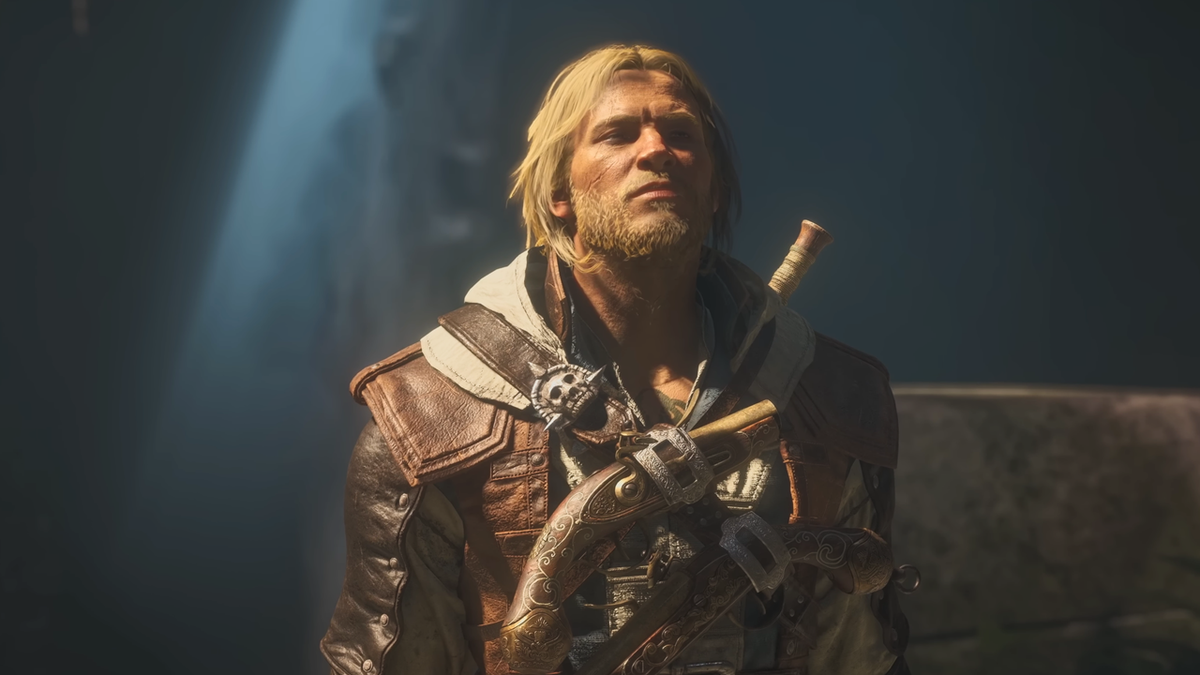
The announcement of Assassin's Creed: Black Flag Resynced, scheduled for release on July 9, 2026, has sent waves of nostalgia through the gaming community. Developed primarily by Ubisoft Singapore under the guidance of Game Director Richard Knight and Creative Director Paul Fu, this ground-up remake of the 2013 classic is more than just a visual upgrade. It represents a fascinating case study in legacy modernization, showing how a developer can take a beloved but mechanically dated title and align it with contemporary design standards.
As a game developer, looking at how Ubisoft Singapore is leveraging the latest iteration of the Ubisoft Anvil engine—the same technology powering Assassin's Creed Shadows—offers vital insights into modern level design, gameplay mechanics, and engine pipeline engineering. By examining the developer deep dives, we can unpack the technical and structural changes that define this ambitious project.
Rebuilding the Sneak: Overhauling Stealth and Parkour
One of the most significant changes in the remake is the overhaul of the stealth system. In the 2013 original, players frequently encountered eavesdropping and tailing missions. While these fit the narrative of a covert assassin, the mechanical execution was notoriously rigid: if an NPC detected you, the mission resulted in an immediate, frustrating failure screen.
According to developer updates, the remake has completely revised these missions. Detection no longer triggers automatic failure. Instead, Ubisoft Singapore has introduced a dynamic, systemic search state. When detected, NPCs will actively search for you, calling in reinforcements and modifying their patrol routes. This shift from binary fail-states to systemic gameplay is a massive win for player agency, allowing players to salvage a botched stealth run through quick thinking and navigation.
To support this new dynamic stealth, the team rebuilt the parkour and movement systems from the ground up, adding a manual crouch option. In the original Black Flag, Edward Kenway could only hide in designated "stalking zones" like tall grass. A manual crouch completely changes how a level designer approaches environment design. It requires:
- Re-evaluating the height of low-cover assets (barrels, crates, fences) to ensure they properly block NPC line-of-sight when the player is crouched.
- Adjusting NPC detection cones and height offsets to prevent players from cheesing encounters.
- Tuning movement speeds to balance silent, crouched movement against fast-paced parkour.
By tuning parkour for better responsiveness, the developers ensure that navigating the Caribbean's lush jungles and pirate havens feels fluid, matching the high standards set by modern movement-heavy action titles.
The Engine Pipeline: Anvil and Seamless Streaming
Under the hood, Black Flag Resynced is powered by the latest version of the Ubisoft Anvil engine, utilizing the Anvil Atmos system for dynamic weather and advanced ray tracing. For a game that splits its time between sprawling ocean voyages and dense port cities like Havana, the technical demands are immense.
The most critical technical achievement detailed by the developers is the complete removal of loading screens. In the 2013 game, transitioning from sailing the open sea to exploring a town required a fade-to-black loading transition. Rebuilding the game to support seamless exploration represents a significant engineering hurdle, requiring a highly optimized asset streaming pipeline.
To achieve seamless streaming on modern hardware like the PlayStation 5, Xbox Series X/S, and PC, the engine must dynamically manage memory and level of detail (LOD). As the player sails toward an island, the engine utilizes a nested LOD system:
- Distant Horizon: The island is represented by low-poly proxy meshes and low-resolution textures.
- Approaching Shore: The engine stream-loads mid-poly models, vegetation, and basic NPC collision boxes, utilizing the high-speed I/O bandwidth of modern SSDs.
- Docking and Landing: High-resolution textures, complex materials, physics assets, and AI logic structures are loaded into memory, while the open-ocean assets are safely cached out.
This seamless transition ensures that the gameplay loop of sailing, ship-to-ship combat, and land exploration feels cohesive, removing the friction that broke immersion in the original release.
Expanding the Legend: Narrative and Combat Rebuilds
A faithful remake does not mean a stagnant one. To enrich the story, lead writer Darby McDevitt returned to the project as a consultant. The remake introduces brand-new cutscenes designed to add depth to Edward Kenway's character, along with expanded character arcs for his crew members.
Crucially, the remake includes a new eight-mission storyline titled "A World Without Gold," which focuses on the legendary pirate Blackbeard. Incorporating new narrative content into an existing campaign requires careful level design integration. These missions must fit seamlessly into the existing geographical layout of the Caribbean map without disrupting the pacing of the main story or conflicting with established lore.
Alongside narrative additions, the combat system has been fully modernized, drawing inspiration from recent franchise advancements. The original counter-heavy combat, which often felt like a series of quick-time events, has been replaced with a more active, physics-based system. This requires tighter hit-box detection, responsive animations, and improved enemy AI grouping behaviors, ensuring that fighting multiple Spanish or British soldiers feels challenging and tactical.
Conclusion: Honoring the Past, Building the Future
Assassin's Creed: Black Flag Resynced demonstrates how remakes can serve as an opportunity to fix the design flaws of the past. By addressing the frustrating stealth fail-states, adding manual crouch navigation, and leveraging modern SSD streaming architectures to remove loading screens, Ubisoft Singapore is set to deliver an experience that feels fresh while maintaining the spirit of the 2013 masterpiece.
For game developers, it serves as a reminder of the power of systemic design over scripted sequences. When we give players the tools to navigate challenges dynamically, we create more memorable, emergent experiences.
If you are looking to design responsive navigation systems or optimize asset streaming pipelines for your next project, feel free to explore my work or reach out to discuss how we can build something incredible together.