June 10, 2026
3 min read
The Six-Year Journey of Big Walk: Lessons in Iteration from House House
Key Takeaways
- •Born from Lockdown Isolation
- •The Realities of Multiplayer Architecture
- •Why Six Years Matters
As a game developer, I've always admired studios that refuse to rush their creative vision. Recently, Melbourne-based developer House House—the brilliant minds behind the 2019 smash hit Untitled Goose Game—opened up about the grueling, yet deeply rewarding six-year journey to create their next project, Big Walk. Their reflections offer a masterclass in patient iteration, scope management, and the unique challenges of building a cooperative multiplayer experience.
Born from Lockdown Isolation
It’s fascinating to trace the origins of Big Walk back to the mandatory COVID-19 lockdowns of 2020. According to their recent retrospective on GamesIndustry.biz, House House wanted to create an experience centered around socializing outside with friends—at a time when doing so in reality was strictly prohibited.
This core emotional pillar dictated their design philosophy from day one. Instead of relying on traditional mechanics like combat or resource grinding, they leaned heavily into the pure joy of exploration and presence. However, transitioning from a single-player, tightly controlled puzzle game like Untitled Goose Game to a sprawling, cooperative online world introduced a tidal wave of technical and design hurdles.
The Realities of Multiplayer Architecture
For any engineer or systems designer, shifting from local physics interactions to networked multiplayer is a monumental pivot. House House had no idea it would take them six years to cross the finish line.
- Networked Physics: Synchronizing physics-based interactions across multiple clients without severe latency issues is notoriously difficult.
- Design Iteration: When your game is built around "hanging out," traditional metrics of success go out the window. Playtesting a vibe is much harder than playtesting a combat loop.
- Pacing: The team had to carefully balance the open-ended nature of walking and exploring with enough structured puzzles to keep players engaged without feeling railroaded.
Why Six Years Matters
In an industry increasingly dominated by live-service roadmaps and rapid prototyping, taking six years to develop an indie game is a massive risk. Yet, House House's commitment to their original vision demonstrates the power of financial stability (bolstered by the success of the goose) combined with uncompromising creative integrity.
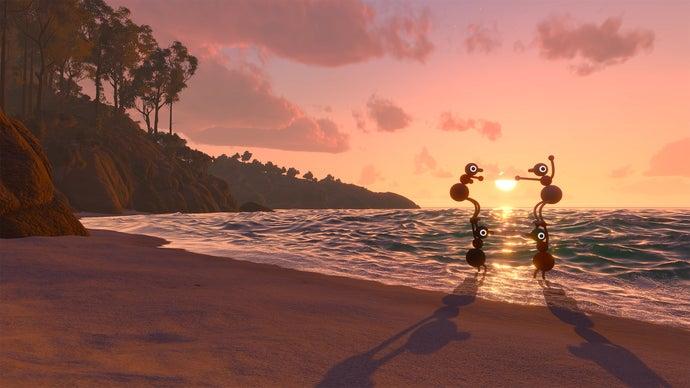
They didn't just build a map; they built an environment meant to evoke the specific feeling of a leisurely bushwalk with your friends. That kind of atmospheric world-building takes time, endless iteration, and the willingness to scrap systems that don't serve the core emotional goal.
Takeaways for Developers
For those of us in the trenches of game development, the story of Big Walk serves as a vital reminder:
1. Protect the Core Vision: Every technical decision should serve the emotional goal of the game. For House House, that goal was "socializing outside."
2. Multiplayer Multiplies Complexity: Never underestimate the time tax that networking adds to your development timeline. What works flawlessly in a single-player prototype will inevitably break when latency is introduced.
3. Iteration is King: You cannot rush the process of finding the fun, especially when the "fun" relies on unstructured social dynamics.
I’m incredibly excited to see the final result of their six-year labor of love. It’s a testament to the thriving indie scene in Melbourne and a beacon for developers who value artistic intent over aggressive release cycles.