June 16, 2026
6 min read
Xbox Spinoffs: Can Double Fine and Ninja Theory Survive?
Key Takeaways
- •Introduction: The Consolidation Wave Meets the Reality of Scale
- •The Economics of the Spinoff: Subsidizing vs. Monetizing
- •The Precedent: Toys for Bob's Leap of Faith
Introduction: The Consolidation Wave Meets the Reality of Scale
Over the last few years, consolidation reshaped the game industry. Major publishers, led by Microsoft, acquired iconic mid-sized developers under the premise of long-term ecosystem growth and Game Pass saturation. Studios like Double Fine, Ninja Theory, and Compulsion Games found temporary security under the Xbox umbrella, promising creative freedom without publisher pitches.
But in 2026, the tides have turned. The industry is in the midst of a violent correction. Reports from Polygon, PC Gamer, and Bloomberg indicate Microsoft is targeting several acclaimed mid-sized studios for closure as part of an "Xbox reset." In response, leadership teams at Double Fine, Ninja Theory, Compulsion Games, and several other studios have reportedly entered active negotiations with Microsoft to spin off their companies, seeking to buy out Microsoft’s stake or secure external financial backers.
For developers, these negotiations represent a critical case study in the modern business of games: when corporate subsidy fails, how do mid-sized studios reclaim their autonomy to survive?
The Economics of the Spinoff: Subsidizing vs. Monetizing
To understand why this is happening, one must look at the macroeconomics of the Xbox ecosystem. In statements reported by Game Developer, Microsoft CEO Satya Nadella made the corporate rationale clear: Xbox must become "sustainable." Nadella remarked, "The challenge we have is we've not been monetizing that entertainment... if anything we've been subsidizing that entertainment."
Microsoft spent billions acquiring studios to build the Game Pass value proposition. But as subscription growth slows and capital costs rise, the mandate has shifted from user acquisition to profitability. Mid-budget, high-concept games—once critical darlings—are now judged on strict return on investment (ROI).
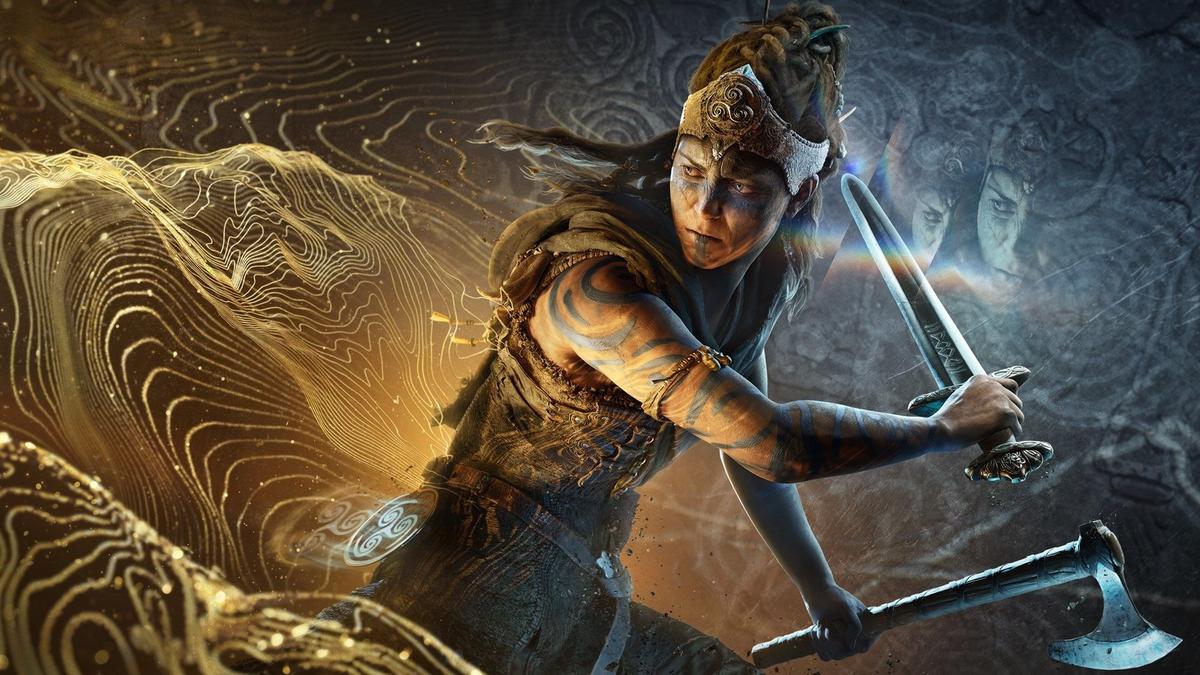
For studios like Ninja Theory (which recently shipped Senua's Saga: Hellblade II and revealed a new project) and Compulsion Games (currently developing South of Midnight), their high-production, niche-appeal portfolios are difficult to justify on a spreadsheet that demands massive monetization. The corporate parent's response to this pressure is simple: shut down underperforming units to cut overhead. The spinoff negotiations offer an alternative path. By buying back their independence, these studios hope to escape the chopping block.
The Precedent: Toys for Bob's Leap of Faith
This is not the first time an Xbox-owned studio has attempted to steer its own ship. Earlier in the year, developer Toys for Bob successfully navigated a spinoff from Microsoft, transitioning from a corporate subsidiary to an independent studio.
As reported by GamesIndustry.biz, Toys for Bob’s leadership acknowledged that going independent was a "massive, massive risk." However, they pointed to the stellar long-term performance of their catalog, noting that Spyro Reignited Trilogy’s 11 million sales proved "there's an audience that woke up to show up for that series."
Independence offers Double Fine the chance to self-publish or partner with publishers aligned with their scale. Tim Schafer’s team has historically excelled at community-backed and mid-sized ventures. Reclaiming independence allows them to pitch to publishers like Devolver Digital or return to crowdfunding, rather than forcing niche creative projects into a mass-market subscription model.
Leadership Vacuum: Craig Duncan and Louise O'Connor Exit
The systemic nature of this "reset" is further evidenced by sudden departures at the very top of Xbox Game Studios. GamesIndustry.biz and PC Gamer reported that Craig Duncan, the head of Xbox Game Studios, is departing the business after only 18 months in the role. Simultaneously, his chief of staff, Louise O'Connor, is also leaving the company, less than a year after taking the position.
Craig Duncan, a Rare veteran, was brought in to manage the expanding portfolio of first-party studios. His departure, alongside O'Connor's, indicates a massive restructuring. When leaders tasked with studio integration exit amid closures, it signals a breakdown in corporate strategy. This reset is not just about cutting dev costs; it is a retreat from the consolidation playbook that defined Xbox's last decade.
The Human Cost of Autonomy
While a spinoff is infinitely preferable to complete liquidation, developers must be realistic about the trade-offs of independence. Going independent is not a magical return to the good old days; it is a defensive maneuver that comes with a heavy price.
Bloomberg’s reporting highlights a sobering reality: even if these negotiations succeed, "many employees will likely lose their jobs as a result" of going independent. Consequently, employees at the affected studios have reportedly already been cleared to begin looking for other work.
When a studio spins off, it loses the massive financial safety net of its parent company. It must immediately downsize to align its burn rate with its new, highly constrained budget. An independent Double Fine or Ninja Theory cannot sustain the same headcounts they had when backed by Microsoft's treasury. Teams must be streamlined, projects must be scoped down, and developers who were hired to support massive AAA pipelines may find themselves redundant in a leaner, more agile setup. Furthermore, these studios must negotiate the rights to their intellectual property. Will Microsoft allow Ninja Theory to keep the rights to Hellblade? Will Compulsion retain South of Midnight? Without ownership of their IPs, independent studios are forced to start from scratch, compounding the financial risk of their new venture.
Conclusion: The Death of the Mid-Budget Acquisition Era
The reports of spinoff negotiations at Double Fine, Ninja Theory, and Compulsion Games mark the end of an era. The dream of the "mid-budget acquisition"—where creative, auteur-driven studios could find shelter from market forces under a benevolent trillion-dollar parent company—is dead. Corporate parents ultimately answer to shareholders, and when profit margins compress, creative shelters are the first to be dismantled.
Yet, this moment also highlights the resilience of game developers. Rather than quietly accepting closure, studio leaders are fighting to keep their teams alive, their IPs intact, and their creative voices independent. The path of independence is fraught with financial precarity and painful layoffs, but it offers something corporate consolidation never could: control over one's own destiny.
As we watch these negotiations unfold, the rest of the industry must take note. The future of mid-sized game development will not be funded by corporate subsidies. It will be built on lean operations, diverse funding portfolios, and the hard-fought independence of studios willing to take the ultimate risk to survive.
If you are a developer navigating these industry shifts, or if you want to discuss sustainable studio architectures and independent production models, feel free to reach out on my /contact page.