August 22, 2026
7 min read
Sony's Live Service Pivot: The Enormous Opportunity Cost
Key Takeaways
- •The Allure of Live Service: A Double-Edged Sword
- •Sony's Bold (and Risky) Bet
- •The Developer's Dilemma: What Are We Missing?
As game developers, we're constantly navigating shifting industry tides. Trends come and go, but some strategic shifts by major platform holders send ripples throughout the entire ecosystem. The recent opinion piece in GamesIndustry.biz, titled "The opportunity cost of Sony's live service pivot is enormous," really struck a chord with me, highlighting a critical discussion we need to have. It's not just about what Sony gains from its aggressive live service push, but what the industry, and by extension, players, lose in the process.
The Allure of Live Service: A Double-Edged Sword
For much of the past decade, the siren song of live service games has captivated publishers. The promise of recurring revenue, extended player engagement, and a "game as a platform" model is undeniably attractive. We've seen tremendous successes, but the article rightly points out "the folly of the live service mania that consumed the games business for much of the past decade is pretty well documented by this point."
From a developer's perspective, the appeal is clear:
- Predictable Revenue: Moving away from a single, upfront purchase to a continuous revenue stream can stabilize a studio's finances.
- Community Building: Live services foster ongoing communities, creating passionate fanbases that can become powerful advocates.
- Creative Longevity: The opportunity to continually evolve and expand a game world offers a different kind of creative satisfaction than a finite, one-and-done project.
However, the reality is far more complex. The market is saturated, player attention is fragmented, and the cost of entry – both in terms of development and marketing – is astronomical. The article emphasizes that this pursuit has "consumed countless millions of dollars and incalculable hours of labour, not to mention burning vast amounts of consumer goodwill and IP value on a bonfire of executive failure." This isn't just hyperbole; it's a stark reflection of many studios' experiences.
Sony's Bold (and Risky) Bet
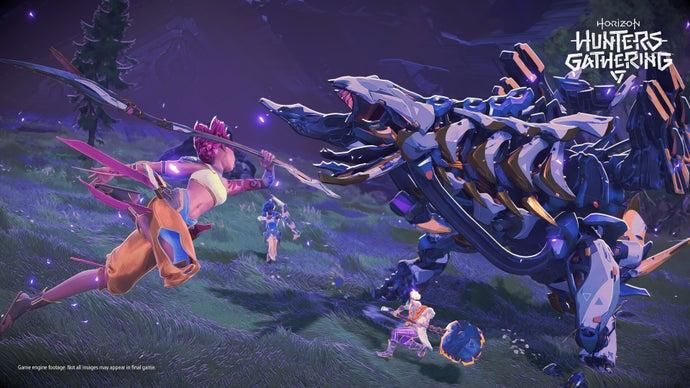
Sony, a company historically celebrated for its cinematic, narrative-driven single-player experiences, has made a pronounced pivot towards live service. While games like Helldivers 2 have shown immense success, their broader strategy involves numerous high-budget live service titles in development. This isn't just a diversification; it feels like a fundamental reorientation.
The core of the GamesIndustry.biz article's argument lies in the opportunity cost. For every dollar, every hour, every talented developer poured into a live service title, those resources are not being invested elsewhere.
Let's visualize this resource allocation challenge:
This diagram illustrates the stark choices. A "Live Service Focus" places all eggs in a few very large baskets, leading to either monumental success or catastrophic failure. A "Balanced Portfolio," on the other hand, spreads risk and cultivates a wider array of experiences, potentially leading to more consistent, albeit perhaps not individually "blockbuster," returns.
The Developer's Dilemma: What Are We Missing?
The real sting of opportunity cost hits developers hard.
1. Diversion of Creative Talent
Highly skilled writers, designers, artists, and programmers are now tasked with the specific demands of live service. This often means:
- Less Focus on Narrative Depth: While live services can have evolving stories, they rarely match the tightly crafted, character-driven narratives of single-player epics.
- Emphasis on Systems over Story: The priority shifts to engagement loops, monetization mechanics, and content pipelines rather than profound thematic exploration.
- Burnout Potential: The relentless content treadmill of a live service game can lead to severe developer burnout.
2. Reduced Portfolio Diversity
For platform holders like Sony, a live service-heavy slate could mean fewer:
- New IPs: Developing a new, innovative single-player IP is a risk. Developing a new live service IP is an even bigger, more expensive gamble.
- Mid-Budget Titles: The "AA" space, often a breeding ground for innovation and unique experiences, gets squeezed out. These are the games that often push creative boundaries without the immense pressure of a AAA blockbuster.
- Experimental Games: Small, quirky, or artistically driven games struggle to find funding when the focus is on scalable, monetizable experiences.
3. Risk Aversion and Innovation Stifling
Live service development is inherently high-risk. The investment required is colossal, and the competition is fierce. This leads to a natural tendency towards playing it safe:
- Cloning Success: Instead of pioneering new genres, studios might gravitate towards replicating existing successful live service formulas.
- Long Development Cycles: The ambition of these projects often leads to extended development times, tying up resources for years before any return on investment.
- High Failure Rate: As the article notes, many live service ventures "consumed countless millions of dollars" only to result in "executive failure."
4. Erosion of IP Value
When a beloved single-player franchise is adapted into a live service model and fails, it doesn't just lose money; it can damage the brand's reputation and consumer trust. Players who cherished the original experience might feel alienated, and the IP's future viability could be jeopardized.
Lessons from the Past, Warnings for the Future
The games industry has a long history of chasing trends, often to its detriment. From VR hype cycles to mobile gaming gold rushes, the pendulum swings. Live service is not inherently bad, but the mania around it, the belief that "every game should be a live service game – the absolute madness of thinking that every game could be a live service game," as the article puts it, is what causes problems.
Developers, especially those working within or aspiring to work with major publishers, need to:
- Understand the Market: Be realistic about the competitive landscape for live service titles.
- Advocate for Diversity: Push for balanced portfolios that include a mix of genres, business models, and budget sizes.
- Focus on Core Value: Remember that engagement ultimately comes from a great game, not just great monetization mechanics.
- Learn from Failures: As Tim Cain recently highlighted, we need to pay more attention to bad games to understand what went wrong, rather than just celebrating successes.
The Path Forward: A Call for Balance
For Sony, and indeed for any major player in the industry, the long-term success isn't just about hitting a few live service home runs. It's about cultivating a vibrant, diverse ecosystem that caters to a wide array of player tastes and developer ambitions. The "opportunity cost" isn't just a financial metric; it's a measure of lost creativity, unfulfilled potential, and a narrower future for gaming.
As developers, our passion lies in creating compelling experiences. Whether that's a sprawling live service world or a poignant single-player narrative, the strategic decisions made at the top impact our ability to innovate and thrive. Let's hope that the industry, including giants like Sony, learns to temper its pursuit of the next big trend with a healthy respect for the diverse, rich tapestry of game development.
What are your thoughts on this strategic shift? How do you think it impacts your work or aspirations as a game developer? Share your insights below!