July 30, 2026
7 min read
EA's $38M CEO Pay Amidst Layoffs: A Developer's Perspective
Key Takeaways
- •The Stark Numbers: CEO vs. Median Employee
- •The Unsettling Context of Layoffs and AI Adoption
- •Developer Morale and the Erosion of Trust
As game developers, we’re often driven by passion – the desire to create immersive worlds, innovative gameplay, and unforgettable experiences. We pour our hearts and souls into our projects, often working long hours with the hope that our efforts will resonate with players and contribute to a thriving industry. But every so often, a news story drops that forces us to confront the stark realities of the business side of our craft, and it can be a tough pill to swallow.
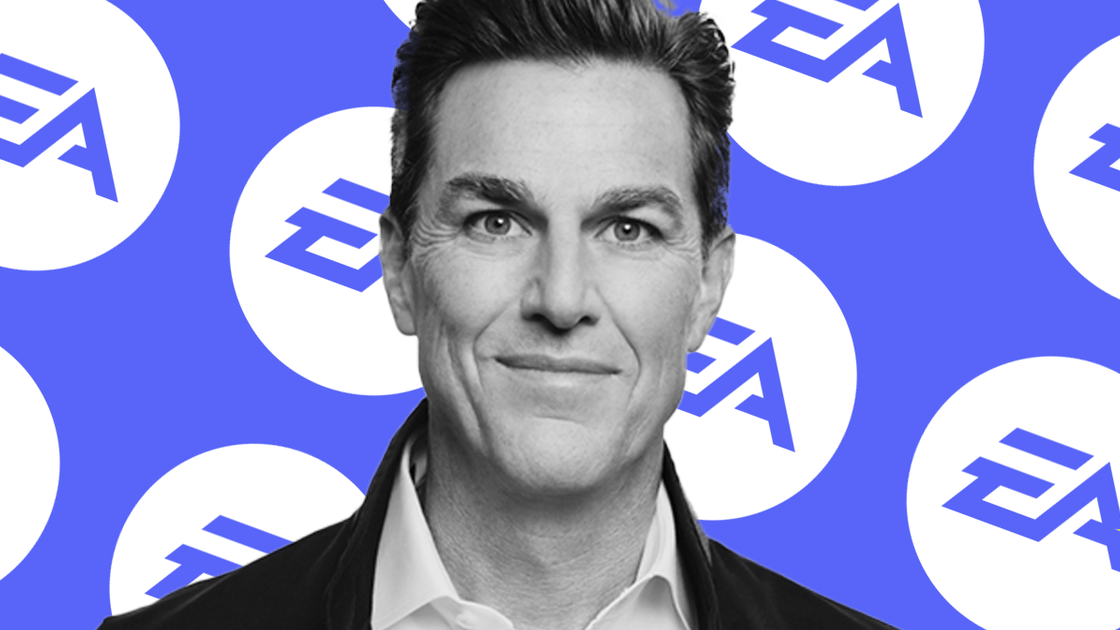
The recent reports regarding Electronic Arts (EA) CEO Andrew Wilson’s compensation package, particularly in the context of ongoing layoffs within the company and the broader industry, have certainly sparked a lot of discussion. According to GameSpot, Wilson's total compensation for the previous fiscal year rose by $8 million to a staggering $38 million. This figure includes bonus payments and stock options, and it stands in stark contrast to the financial struggles many developers face.
The Stark Numbers: CEO vs. Median Employee
Let's break down the figures, as reported by EA's filing with the Security and Exchange Commission and highlighted by GameSpot:
- EA CEO Andrew Wilson's Total Compensation: $38 million (an increase of $8 million from the previous year).
- Median EA Employee Compensation: $126,612 annually.
- Compensation Ratio: Wilson's pay is 305 times that of the median EA employee.
To put this into perspective, while the average developer works tirelessly to bring games to life, often navigating uncertain job markets and the pressures of project cycles, the person at the helm is earning enough to fund entire indie studios for years. This isn't just about a large number; it's about the disparity and what it signifies about the value placed on different roles within the company.
The Game Developer article further contextualized this, stating Wilson was "awarded $38.6M after year of franchise success, studio layoffs, and GenAI adoption." This explicitly links the executive's reward to a period marked by both company success (franchises) and significant workforce reductions.
The Unsettling Context of Layoffs and AI Adoption
This news doesn't exist in a vacuum. The gaming industry has been grappling with a wave of layoffs, affecting thousands of talented individuals across numerous studios. Just recently, we've seen reports of Double Fine Productions making cuts after becoming independent from Xbox, and Tencent-owned Lightspeed LA also laying off staff, attributing it to a "shift in creative and development direction." These are just a few examples in a year that has felt like a continuous stream of job losses.
The Game Developer article's mention of "GenAI adoption" as a backdrop to Wilson's compensation is particularly poignant. While AI promises efficiency and new creative avenues, its integration is often accompanied by fears of job displacement. When executives are handsomely rewarded during a period where AI is being adopted and human jobs are being cut, it sends a powerful, and often demoralizing, message to the workforce.
Here’s a simplified flow of how these forces often interact within large corporations:
This diagram illustrates a cycle where market conditions drive strategic decisions, including tech adoption and workforce adjustments, which then contribute to financial outcomes that reward executives, often at the expense of employee stability and morale.
Developer Morale and the Erosion of Trust
From a developer’s perspective, these kinds of reports are incredibly damaging to morale and trust. We understand that game development is a business, and profitability is essential for sustainability. However, when the rewards for success are so heavily concentrated at the top, while those on the ground face instability and job insecurity, it creates a palpable sense of unfairness.
Imagine being a developer who just poured two years into a game that became a massive success, only to see colleagues laid off, while the CEO receives a compensation package that could literally fund dozens of smaller teams. It fosters an environment where loyalty is tested, and the intrinsic motivation to go above and beyond can wane. How can you genuinely feel like a valued part of a team when your contributions are seemingly disproportionately rewarded compared to those leading the company?
The article also notes that Andrew Wilson receives a perk of flying on private planes for "personal safety and that of his family based on threat intelligence." While executive safety is understandable, the optics of such lavish perks, again, juxtaposed against widespread job cuts and the median employee's salary, can be grating. It highlights a disconnect between the lived realities of different tiers within the corporate structure.
Corporate Governance and Transparency
The GameSpot article mentions that "When Saudi Arabia's leveraged buyout of Electronic Arts is finalized, the newly private company won't have to release any financial documents to the public." This adds another layer of concern for industry observers and developers. Public companies are subject to scrutiny and transparency requirements that private entities are not. While privacy has its merits, in an era where accountability is increasingly demanded, a move to private ownership could further obscure the financial realities and executive compensation structures, making it harder to track these disparities.
This trend could have broader implications for the industry. If more major players go private, it might lead to less public data on executive pay, profits, and even layoff numbers, making it harder for developers to gauge the health and fairness of the industry they work in.
What Does This Mean for the Industry?
This situation at EA is a microcosm of a larger debate within the tech and entertainment industries. It forces us to ask critical questions:
- What is equitable compensation? Should executive pay be more closely tied to the well-being and stability of the entire workforce, not just short-term stock performance or revenue growth?
- How do we foster a sustainable and ethical work environment? Beyond fair pay, this includes job security, transparent decision-making, and a sense of shared purpose.
- What role does AI truly play? If GenAI adoption is cited alongside layoffs, how are companies ensuring a just transition for their human talent?
For aspiring and current game developers, these reports serve as a crucial reminder to be informed, to advocate for fair practices, and to seek out studios that align with their values. It underscores the importance of strong leadership that understands and values the human element behind every line of code, every pixel of art, and every design decision.
Moving Forward
The gaming industry is at a crossroads. We're witnessing incredible technological advancements and creative breakthroughs, but also significant social and economic challenges. As developers, our power lies in our collective voice and our ability to choose where we invest our talent. While we cannot single-handedly change corporate compensation structures, we can contribute to a culture that champions transparency, empathy, and equitable distribution of success.
Ultimately, the games we make are a reflection of the people who make them. A healthy, motivated, and fairly treated workforce is not just an ethical imperative; it's a fundamental ingredient for sustained innovation and truly great games.